

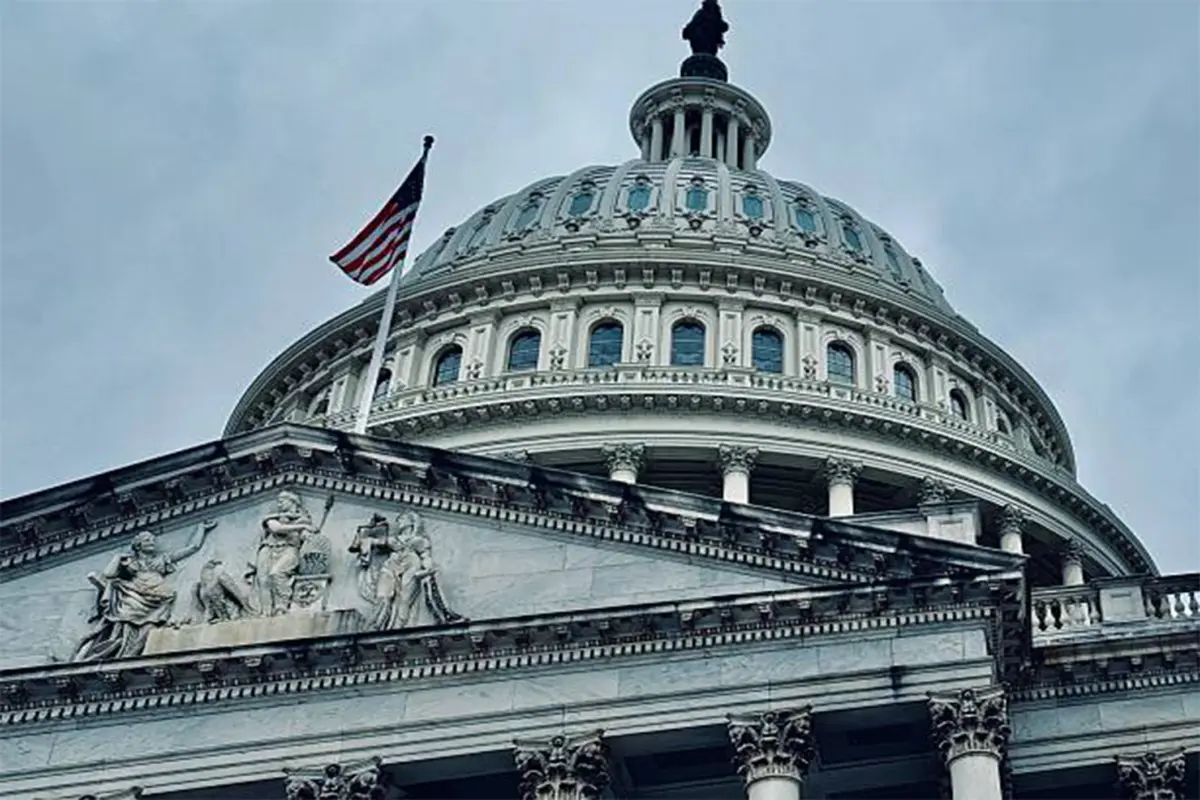
The recent midterm elections have ushered in a new political and legislative environment, prompting crucial discussions among estate planning practitioners and wealth advisors regarding the potential ramifications for their clients and their own professional practices. A specialized webinar, hosted as part of The T&E Inner Circle Expert Sessions, is poised to delve into these critical developments, offering attendees a comprehensive analysis of how the election outcomes may reshape estate tax laws, trust regulations, and overall wealth transfer strategies. The 30-minute presentation, followed by an interactive question-and-answer session, aims to equip subscribers with the knowledge and foresight necessary to navigate this evolving landscape effectively.
Understanding the Impact: A Strategic Imperative
The outcomes of midterm elections frequently signal shifts in legislative priorities and the potential for policy changes. For the estate planning sector, this can translate into significant adjustments in federal and state tax codes, particularly concerning estate, gift, and generation-skipping transfer taxes. Historically, changes in political power have often been accompanied by debates and potential revisions to these taxes, influencing the strategies employed by individuals to minimize tax liabilities for their heirs. Wealth advisors and estate planning attorneys are therefore tasked with understanding these potential shifts to provide timely and accurate guidance to their clientele.
The T&E Inner Circle Expert Sessions are designed to address these timely and critical topics, providing subscribers with invaluable insights and strategic approaches from recognized subject matter experts. These sessions are a cornerstone of the T&E Inner Circle’s commitment to offering exclusive, high-value content to its subscribers, fostering continuous professional development and enhancing the ability of these professionals to serve their clients. The upcoming webinar on the midterm election results and their impact on estate planning is a prime example of this commitment, offering a focused discussion on a topic of immediate relevance.
The Genesis of the Expert Sessions: A Need for Specialized Knowledge
The T&E Inner Circle, a subscriber-exclusive platform, was established to cater to the specialized needs of professionals operating within the trusts and estates (T&E) field. Recognizing the complex and ever-changing nature of estate planning, the organization curates a series of expert-led sessions designed to provide in-depth analysis and practical strategies. These sessions are not merely informational; they are curated to offer actionable intelligence that can be directly applied to client engagements.
The "Expert Sessions" component specifically brings together leading figures in estate planning, taxation, and wealth management. These individuals are typically recognized for their extensive experience, their contributions to legal scholarship, and their practical application of estate planning principles in real-world scenarios. The format of these sessions, comprising a focused presentation followed by a direct Q&A with the expert, allows for a dynamic exchange of knowledge, addressing specific concerns and clarifying complex issues that may arise from the presented material.
The current webinar addressing the midterm election results is a direct continuation of this established practice. It acknowledges that the political climate is a significant, albeit often indirect, driver of estate planning legislation and practice. By focusing on the implications of electoral outcomes, the T&E Inner Circle aims to provide its subscribers with a forward-looking perspective, enabling them to anticipate potential changes and advise their clients proactively.
Anticipating Policy Shifts: A Historical Context
The history of U.S. estate tax legislation is marked by periods of significant change, often influenced by the prevailing political and economic conditions. The Tax Cuts and Jobs Act of 2017, for instance, dramatically increased the federal estate tax exemption, significantly reducing the number of estates subject to federal estate tax. This legislative action, driven by a specific political agenda, had a profound impact on estate planning strategies, leading many to re-evaluate the necessity of certain tax-minimization techniques.
Midterm elections, while not directly legislating, play a crucial role in shaping the legislative agenda for the subsequent two years. A shift in control of either the House of Representatives or the Senate, or both, can lead to a recalibration of policy priorities. For estate planning, this could manifest in several ways:
- Potential Reversal or Modification of Tax Provisions: If the party in power favors a more progressive tax structure, there could be efforts to lower estate tax exemptions, increase tax rates, or introduce new forms of wealth taxation. Conversely, a more fiscally conservative outcome might see efforts to maintain or further reduce existing tax burdens.
- Changes in Regulatory Enforcement: Election results can also influence the priorities of regulatory bodies, potentially leading to increased scrutiny or enforcement of existing laws.
- Impact on State-Level Estate Taxes: While federal law often garners the most attention, state-level estate and inheritance taxes also vary widely and can be influenced by local political shifts.
The webinar’s focus on these potential shifts underscores the need for continuous education and adaptation within the estate planning community. Professionals must remain abreast of not only the current legal framework but also the potential trajectory of future legislation.
The Webinar Format: Maximizing Expert Engagement
The structure of the webinar – a 30-minute presentation followed by a Q&A – is carefully designed for maximum impact and practical application. The presentation will likely cover:
- Analysis of Election Outcomes: A factual breakdown of the results and the political landscape they represent.
- Legislative Projections: Expert insights into potential legislative actions concerning estate, gift, and generation-skipping transfer taxes, as well as related areas like income tax and capital gains tax that impact wealth.
- Impact on Estate Planning Tools: How current strategies, such as irrevocable trusts, gifting techniques, and charitable planning, might be affected.
- Client Communication Strategies: Guidance on how practitioners can effectively communicate these potential changes to their clients, manage expectations, and adjust existing plans.
The subsequent Q&A session offers a unique opportunity for attendees to engage directly with the expert. This interactive component is invaluable for clarifying specific scenarios, addressing niche concerns, and gaining tailored advice that might not be covered in a standard presentation. It allows practitioners to bring their immediate professional challenges and receive expert feedback, enhancing the practical utility of the session.
Supporting Data and Analytical Framework
To provide a robust analysis, the webinar is expected to draw upon various data points and analytical frameworks. This could include:
- Historical Tax Data: Examining the impact of previous legislative changes on estate tax revenue and the number of estates subject to tax. For example, data from the IRS on estate tax returns filed before and after the 2017 tax law can illustrate the effect of exemption increases.
- Economic Indicators: The broader economic context, including inflation rates, interest rates, and asset valuations, plays a significant role in estate planning. Changes in these indicators, which can be influenced by electoral outcomes, affect the value of estates and the effectiveness of certain planning strategies.
- Demographic Trends: Understanding demographic shifts, such as the aging population and the transfer of wealth across generations, provides a backdrop against which policy changes are considered.
- Comparative Analysis: Benchmarking U.S. estate tax policies against those of other developed nations can offer insights into potential policy directions.
The analysis presented will likely focus on fact-based implications rather than speculative pronouncements. For instance, if a particular election outcome suggests a higher likelihood of increased estate tax rates, the analysis would detail the percentage point increase, the potential threshold for taxation, and the resulting impact on different wealth levels, rather than simply stating that taxes will "go up."
Broader Implications for Practitioners and Wealth Advisors
The implications of the midterm election results extend beyond immediate tax law changes. For practitioners and wealth advisors, these developments necessitate a strategic recalibration of their services and client advisory models.
- Enhanced Client Education: The evolving landscape demands a more proactive approach to client education. Advisors will need to clearly articulate the potential risks and opportunities presented by legislative shifts, ensuring clients are well-informed and can make strategic decisions regarding their estate plans.
- Adaptation of Planning Strategies: Existing estate plans may need to be reviewed and potentially revised to align with new legislative realities. This could involve adjusting gifting strategies, reconsidering the types of trusts utilized, or re-evaluating the timing of asset transfers.
- Interdisciplinary Collaboration: The complexities of estate planning often require collaboration among attorneys, financial advisors, accountants, and other professionals. The insights gained from the webinar can foster more effective interdisciplinary communication and coordinated client service.
- Business Development Opportunities: Understanding potential legislative changes can also present opportunities for business development. Advisors who can effectively guide clients through periods of uncertainty and demonstrate proactive planning are likely to enhance client retention and attract new clientele.
The T&E Inner Circle: A Commitment to Excellence
The T&E Inner Circle Expert Sessions are a core benefit of T&E subscriber membership, underscoring the organization’s dedication to providing its members with exclusive access to critical information and expert insights. The "Subscribe Now" call to action is an invitation to join a community of leading professionals who are committed to staying ahead of the curve in the complex field of estate planning.
Subscribers to The T&E Inner Circle gain access not only to these expert sessions but also to a suite of other subscriber-only benefits. These typically include in-depth articles, case studies, regulatory updates, and networking opportunities, all designed to enhance professional knowledge and practice. The automatic registration for webinars upon subscription simplifies access, ensuring that members can seamlessly integrate these valuable learning opportunities into their professional development. A calendar invite is sent prior to each event, further streamlining participation.
In conclusion, the midterm election results represent a significant juncture for the estate planning profession. The upcoming webinar from The T&E Inner Circle Expert Sessions offers a timely and indispensable opportunity for practitioners and wealth advisors to gain clarity, develop strategic approaches, and ultimately, better serve their clients in this dynamic environment. By fostering a deeper understanding of the interplay between political outcomes and estate planning law, these sessions reinforce the T&E Inner Circle’s position as a vital resource for professionals seeking to excel in their field.
