

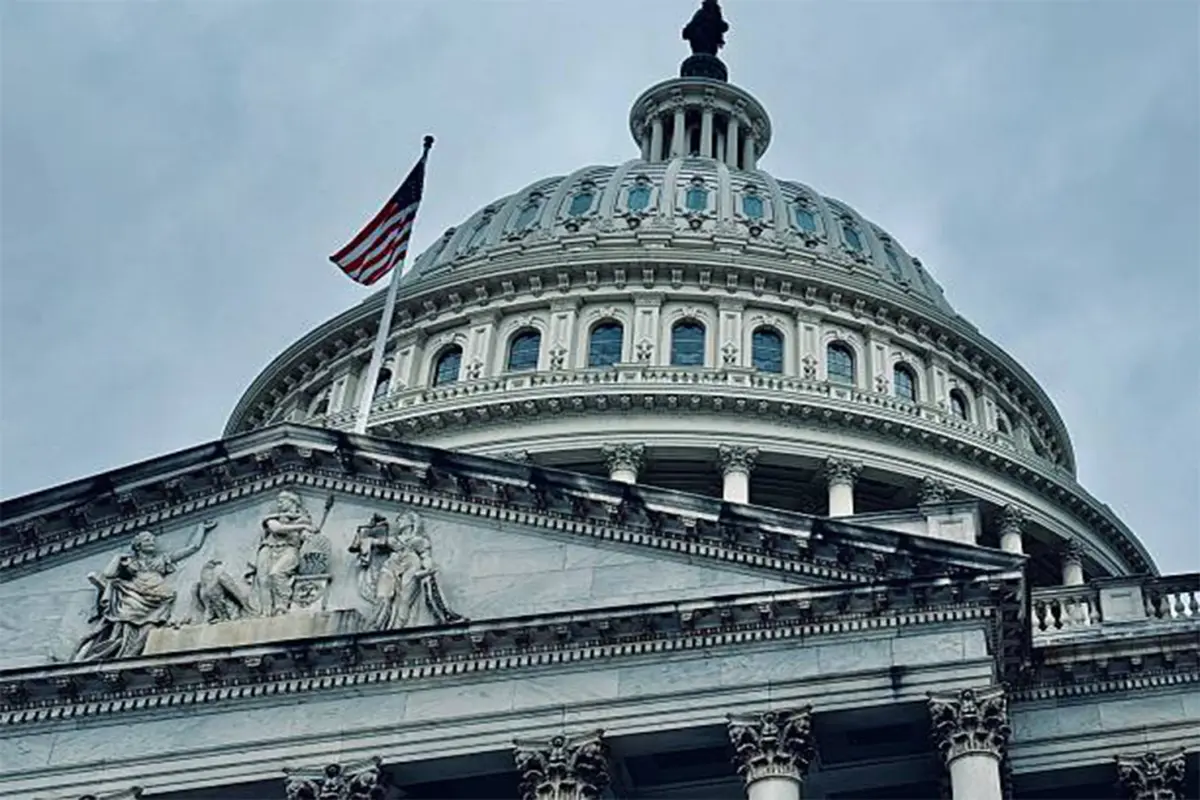
The recent midterm elections have concluded, ushering in a period of potential policy shifts that could significantly impact the intricate world of estate planning. For practitioners and wealth advisors, understanding these electoral outcomes is not merely an academic exercise; it is a critical imperative for guiding clients through an evolving regulatory and economic environment. This analysis delves into the potential implications of the midterm results on estate planning strategies, offering insights into the challenges and opportunities that lie ahead.
The Shifting Sands of Policy: What the Midterms Portend for Estate Planning
The outcomes of midterm elections often serve as a barometer for the nation’s political direction, influencing legislative agendas and regulatory frameworks for the ensuing years. In the realm of estate planning, this translates to potential adjustments in tax laws, trust regulations, and wealth transfer policies. Historically, shifts in congressional control have led to debates and subsequent changes in areas such as the estate tax exemption, gift tax limits, and the taxation of capital gains.
For wealth advisors and estate planning attorneys, the uncertainty surrounding future legislative actions necessitates a proactive approach. Strategies that were once considered robust might require recalibration in light of potential policy changes. This includes reassessing the optimal timing for significant wealth transfers, evaluating the effectiveness of various trust structures, and ensuring that clients’ long-term financial goals remain aligned with the prevailing legal and tax landscape.
The T&E Inner Circle Expert Sessions: A Forum for Informed Discourse
To address these critical issues and provide a platform for informed discussion, The T&E Inner Circle is hosting a series of Expert Sessions. These subscriber-exclusive webinars are designed to bring together leading professionals in the estate planning field to dissect timely and complex topics. The upcoming session, specifically focusing on the impact of midterm election results on estate planning, underscores the immediate relevance of this subject matter.
These sessions are not merely informational; they are curated opportunities for in-depth engagement. The format, typically a 30-minute presentation followed by a dedicated question-and-answer period, allows attendees to gain direct insights from recognized subject matter experts. These experts, armed with extensive experience and a deep understanding of estate planning nuances, are poised to offer practical strategies and forward-looking perspectives.
The T&E Inner Circle, as the organizer of these sessions, positions itself as a vital resource for professionals seeking to enhance their knowledge and stay ahead of industry trends. The exclusivity of these webinars for subscribers highlights the value proposition of membership, offering access to a caliber of expertise and discussion that is otherwise difficult to obtain.
Historical Precedents and Potential Policy Trajectories
To fully grasp the potential implications of the recent midterms, it is beneficial to examine historical precedents. During periods of significant political transition, estate tax laws have been a frequent subject of legislative debate. For instance, the Economic Growth and Tax Relief Reconciliation Act of 2001 (EGTRRA) and subsequent legislation significantly altered estate tax provisions, including the exemption amount and tax rates. More recently, the Tax Cuts and Jobs Act of 2017 (TCJA) doubled the estate tax exemption, a provision set to sunset at the end of 2025 unless extended by Congress.
The current political climate, influenced by the midterm election results, will likely shape discussions around whether to extend the TCJA provisions, revert to prior laws, or introduce new modifications. For estate planning practitioners, this means closely monitoring legislative proposals and understanding the potential impact of various scenarios on their clients’ estates.
Key Areas of Potential Impact
Several key areas within estate planning are likely to be most directly affected by the midterm election outcomes and subsequent legislative actions:
-
Estate Tax Exemption Levels: The most immediate concern for many is the potential for changes to the estate tax exemption. A decrease in the exemption would bring more estates into the purview of estate taxation, necessitating more aggressive tax planning strategies. Conversely, an increase or extension of current high exemption levels would allow for greater flexibility in wealth transfer. Data from the IRS indicates that in 2023, the federal estate tax exemption was $12.92 million per individual. Any reduction in this figure would significantly alter the planning horizon for a larger segment of the population.
-
Gift Tax and Generation-Skipping Transfer (GST) Tax: These taxes are closely linked to the estate tax. Changes to the estate tax exemption often have a correlative effect on gift and GST tax exemptions. Advisors will need to consider how potential adjustments might impact the timing and structure of lifetime gifts and the use of trusts designed to pass wealth across generations.
-
Capital Gains Tax: While not exclusively an estate planning tool, capital gains tax rates can influence investment strategies and the realization of gains prior to death. Any legislative changes affecting capital gains taxation could indirectly impact how clients manage their investment portfolios with an eye toward estate planning.
-
Trust Law and Regulations: Beyond tax implications, legislative bodies can also influence trust laws. This could involve changes to the Uniform Trust Code, rules governing irrevocable trusts, or the recognition of certain trust structures for tax purposes.
-
Retirement Account Rules: The administration and taxation of retirement accounts, such as 401(k)s and IRAs, are also crucial components of estate planning. Potential changes to contribution limits, withdrawal rules, or beneficiary designations could have a substantial impact on the distribution of these assets upon death.
The Role of Wealth Advisors and Estate Planning Practitioners
In this dynamic environment, the role of wealth advisors and estate planning practitioners becomes even more vital. They are tasked with:
-
Educating Clients: Keeping clients informed about potential changes and their implications is paramount. This involves translating complex legislative proposals into understandable terms and illustrating their potential impact on individual financial situations.
-
Strategic Planning: Developing and implementing tailored estate plans that are resilient to potential policy shifts. This might involve utilizing portability of the estate tax exemption, exploring different types of irrevocable trusts (e.g., grantor retained annuity trusts (GRATs), irrevocable life insurance trusts (ILITs)), and strategically gifting assets during periods of favorable exemption levels.
-
Proactive Review: Regularly reviewing and updating existing estate plans. What was appropriate two years ago might not be optimal today. A periodic reassessment ensures that plans remain aligned with clients’ goals and the prevailing legal and tax environment.
-
Collaboration: Working collaboratively with other professionals, such as tax attorneys, accountants, and financial planners, to provide comprehensive advice.
Data-Driven Insights and Predictive Analysis
While predicting the exact legislative outcomes is challenging, leveraging available data and historical trends can inform advisory strategies. For instance, analysis of past legislative cycles reveals that significant changes to estate tax laws often occur in response to broader economic conditions or as part of larger tax reform packages. Understanding these patterns can help advisors anticipate potential policy directions.
Furthermore, the impact of past changes can be quantified. For example, studies on the effect of the TCJA’s increased estate tax exemption revealed a decrease in the number of estates filing federal estate tax returns, allowing more individuals to pass wealth without incurring federal estate tax liability. This data provides a tangible basis for understanding the magnitude of potential shifts.
Timeline and Chronology of Potential Developments
The legislative process following an election is often a gradual one. Immediately following the midterms, there will be a period of transition as new members of Congress are sworn in and committee assignments are finalized. Subsequently, legislative proposals will begin to emerge.
-
Early to Mid-Next Year: It is likely that discussions around tax policy, including estate tax provisions, will gain momentum as the sunset of the TCJA provisions looms. Committee hearings may be convened, and draft legislation could be introduced.
-
Late Next Year and Beyond: The pace of legislative action can be unpredictable, influenced by various political and economic factors. However, advisors should anticipate that significant debates and potential votes on estate tax reform could occur in the year leading up to the expiration of current provisions.
Reactions and Perspectives from Industry Leaders
While specific reactions to the current midterm results from named individuals were not provided in the source material, it is logical to infer that estate planning professionals and wealth management firms are actively engaged in scenario planning. Industry associations, such as the American College of Trust and Estate Counsel (ACTEC) and the National Association of Estate Planners & Councils (NAEPC), are likely monitoring legislative developments closely and disseminating information to their members.
Leading wealth management institutions are undoubtedly advising their client-facing teams to proactively engage with clients regarding these potential changes. Communications from these firms would likely emphasize the importance of staying informed and the need for timely estate plan reviews.
Broader Impact and Implications
The implications of potential changes in estate planning extend beyond individual wealth transfer. They can affect:
-
Philanthropy: Significant changes to estate tax laws can influence charitable giving strategies. Higher estate taxes might incentivize individuals to make larger charitable bequests.
-
Intergenerational Wealth Transfer: The ability to pass wealth efficiently to future generations is a cornerstone of many family legacies. Policy shifts can alter the mechanics and costs associated with this transfer, impacting family businesses and long-term financial stability.
-
Economic Activity: The way wealth is taxed and transferred can have ripple effects on investment, consumption, and savings patterns within the broader economy.
Conclusion: Embracing Proactive Planning in an Era of Change
The midterm election results have illuminated a path forward that is likely to be characterized by ongoing discussions and potential adjustments in estate planning legislation. For practitioners and wealth advisors, this period demands a commitment to continuous learning, proactive client engagement, and strategic adaptation. The T&E Inner Circle Expert Sessions serve as a crucial resource, providing a platform for these professionals to gain critical insights and navigate the evolving landscape effectively. By staying informed, leveraging data-driven analysis, and embracing a proactive planning philosophy, advisors can continue to guide their clients toward achieving their long-term financial and legacy goals amidst an ever-changing regulatory environment. The ability to anticipate, analyze, and adapt will be the hallmark of successful estate planning in the years to come.
