


The global imperative to transition toward a low-carbon economy has traditionally been viewed through the lens of massive federal subsidies and multinational corporate investments. However, a significant and growing portion of Canada’s renewable energy infrastructure is being built from the ground up, fueled by the capital and conviction of local citizens. As the nation grapples with the dual challenges of meeting net-zero targets by 2050 and ensuring energy security, community-led initiatives are emerging as a vital localized solution. By utilizing innovative financial instruments such as community bonds and cooperative ownership models, Canadians are no longer mere consumers of energy; they are becoming its owners and architects. This movement represents a democratization of the power grid, allowing individuals to invest directly in the decarbonization of their own neighborhoods while securing modest financial returns.
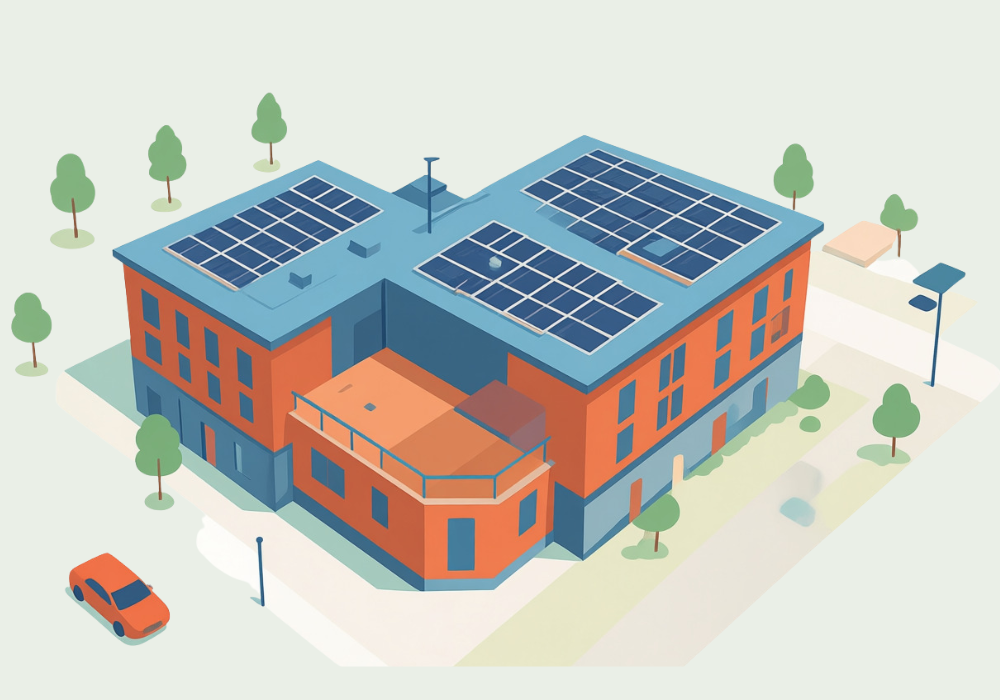
The Evolution of Community Power in Canada
The trajectory of community-owned energy in Canada began in earnest at the turn of the millennium. In 2002, WindShare, a Toronto-based cooperative, made history by co-commissioning a wind turbine at Exhibition Place in partnership with Toronto Hydro. This project, which remains a landmark on the city’s skyline, was the first of its kind in North America, proving that urban residents could collectively fund and manage utility-scale renewable assets. The success of WindShare paved the way for the Green Energy Act in Ontario in 2009, which, despite its eventual repeal, catalyzed a decade of rapid growth in the cooperative sector.
Today, the landscape has diversified far beyond simple wind and solar arrays. From biogas facilities processing zoo manure to net-zero affordable housing and EV charging networks, the scope of community investment is expanding. These projects are often structured as cooperatives, where members hold shares and have a democratic say in operations, or through the issuance of community bonds. Unlike traditional corporate bonds, community bonds allow organizations to raise capital from their own supporters, often with lower entry barriers, making green investing accessible to those who might otherwise be excluded from the high-stakes world of renewable energy finance.

Solar Innovation: From Large-Scale Arrays to Urban Renters
Solar energy remains the cornerstone of community-led decarbonization. SolarShare, currently Canada’s leading renewable energy cooperative, exemplifies the scale that can be achieved through collective action. One of its flagship projects, the Wintergreen solar array located just outside Kingston, Ontario, serves as a model for rural-urban cooperation. With the capacity to power approximately 100 homes, Wintergreen is part of a broader portfolio that includes dozens of solar installations across the province. SolarShare’s model allows Ontarians to invest as little as $1,000, earning interest while contributing to the state’s clean energy mix.
In Western Canada, the Wascana Solar Co-operative in Regina, Saskatchewan, is tackling a different barrier: accessibility. While homeowners with southern-facing roofs can often afford to install private panels, apartment dwellers and renters are typically locked out of the solar market. Wascana’s initiative involves the collective ownership of 400 solar panels by roughly 100 members. By pooling resources to install panels on large commercial or community rooftops, these "virtual" solar owners receive the benefits of renewable generation without needing to own a roof. This model is particularly relevant in Saskatchewan, a province with some of the highest solar potential in Canada but also one of the most carbon-intensive grids.

The Circular Economy: Turning Waste into Watts
The transition to a low-carbon future also requires creative thinking regarding waste management. ZooShare, a pioneering biogas cooperative in Ontario, represents the intersection of agriculture, waste reduction, and energy production. The project utilizes a process known as anaerobic digestion to convert organic animal waste from the Toronto Zoo and local food waste into high-quality fertilizer and renewable electricity. By diverting organic matter from landfills, ZooShare prevents the release of methane—a potent greenhouse gas—while providing a steady stream of clean power to the provincial grid.
However, the journey of ZooShare also highlights the inherent risks of pioneering green technologies. In 2023, following a member vote, the cooperative announced it would stop interest payments on its community bonds, with plans to repay the principal when cash flow permits. This development serves as a critical case study for the sector, illustrating the operational challenges of complex bio-energy projects and the importance of transparent communication between cooperatives and their investors. Despite these financial hurdles, the facility continues to operate, demonstrating the resilience of community-backed infrastructure.

Expanding the Scope: Transportation and Housing
As Canada seeks to electrify its transportation sector, the need for robust charging infrastructure has become a primary bottleneck. EcoCharge is addressing this through the first EV-charging community bond campaign of its kind. Spanning Quebec and New Brunswick, the project has enabled members to own roughly 100 charging stations. By decentralizing the ownership of these stations, EcoCharge ensures that the profits from the EV transition remain within the community rather than being siphoned off by global oil or tech conglomerates. This localized ownership also allows for more strategic placement of chargers in underserved rural areas where commercial providers might see less immediate profit.
Similarly, the Propolis cooperative in Kamloops, British Columbia, is demonstrating that the climate crisis and the housing crisis can be addressed simultaneously. Propolis successfully raised $1 million through community bonds from approximately 100 local investors to fund a 53-unit net-zero apartment building. By integrating high-efficiency building envelopes, heat pumps, and onsite renewable generation, the project ensures long-term affordability for residents by insulating them from rising energy costs. The Propolis model suggests that community finance can be a powerful tool for urban development, allowing cities to grow sustainably while maintaining local control over real estate.

Faith and Finance: The Greening of Sacred Spaces
Perhaps one of the most unique entries into the community bond market is the Faithfully Green Fund. Recognizing that faith communities often sit on significant real estate assets but lack the liquid capital for expensive energy retrofits, the fund operates on a revolving basis. By selling community bonds to congregants and the public, the fund provides low-interest loans to churches, mosques, and temples for green upgrades. As these institutions save money on their utility bills, they repay the loans, allowing the capital to be "recycled" into the next project. This approach taps into the deep-seated values of stewardship found within many faith traditions, mobilizing "patient capital" for long-term environmental gains.
Scaling Up: The Role of Regional Cooperatives
The Ottawa Renewable Energy Co-operative (OREC) represents the maturation of the sector. Founded in 2010, OREC has moved beyond small-scale rooftop projects to significant regional assets. In partnership with other entities, OREC partly owns two large-scale wind turbines on the shores of Lake Huron. These turbines generate approximately 3.3 million kWh annually—enough to power more than 400 homes. The ability of a community cooperative to participate in large-scale wind projects signals a shift in the energy landscape, where local groups are increasingly seen as viable partners for major utilities and commercial developers.

Economic Impact and Policy Implications
The broader implications of these community-led projects are profound. Economically, they represent a "local multiplier effect." When a multinational corporation builds a wind farm, the profits often leave the region. In contrast, when a cooperative like SolarShare or OREC manages a project, the interest payments on bonds and dividends on shares stay in the pockets of local residents, who in turn spend that money in their local economies.
Furthermore, community-owned energy fosters "energy literacy." Investors who can see their wind turbine or solar array from their front porch are more likely to support broader climate policies and engage in conservation efforts. However, for this sector to reach its full potential, experts argue that a more supportive regulatory environment is required. This includes:

- Standardized Securities Regulations: Simplifying the process for cooperatives to issue community bonds across different provincial jurisdictions.
- Grid Access Guarantees: Ensuring that small-scale community projects have fair access to the electrical grid and are compensated at rates that reflect their environmental benefits.
- Loan Guarantees: Federal or provincial backstops that reduce the risk for community investors, potentially preventing situations like the payment suspension seen with ZooShare.
Conclusion: A Grassroots Power Surge
The success of projects from Kingston to Kamloops proves that the financial resources needed for the green transition are often closer than they appear. By leveraging the collective power of small-scale investors, Canada is building a more resilient, equitable, and sustainable energy system. While these projects currently represent a small fraction of the national grid, their growth trajectory and the high level of public engagement they command suggest they will play an increasingly central role in the decades to come. As the "Weekly Roundup" of green initiatives continues to grow, the message is clear: the future of energy is not just low-carbon—it is local.
