

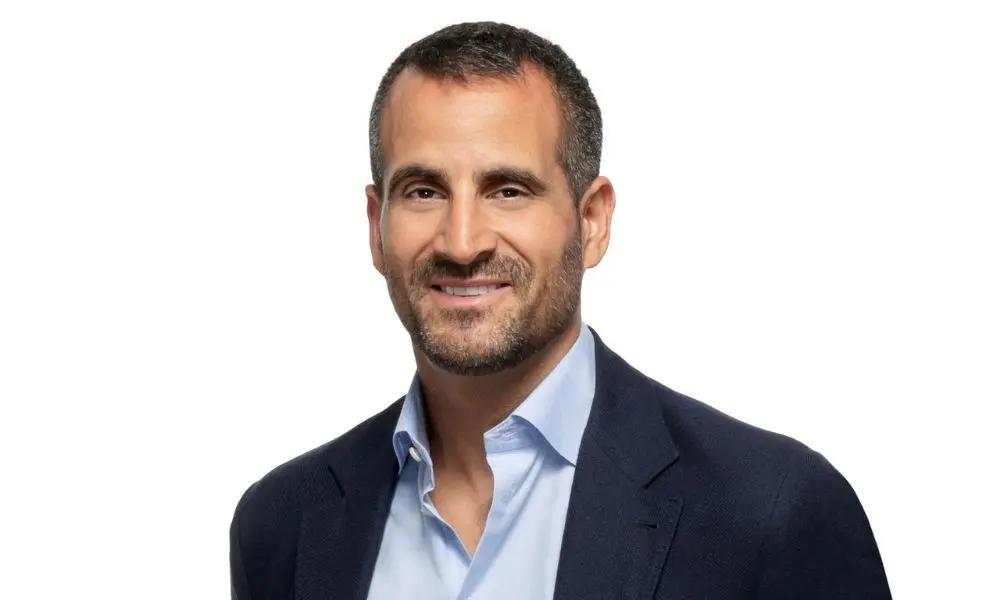
The fundamental question every client brings to their financial advisor is a simple yet profound one: "Am I going to be okay?" This deeply personal inquiry, however, is often the most challenging for advisors to answer with definitive reassurance. Som Seif, Founder & CEO of Purpose Unlimited, argues that this difficulty is not a reflection of individual advisor shortcomings but rather a systemic issue deeply embedded within the wealth management industry’s evolution. He points to the industry’s historical roots in stock trading and its ongoing, often cumbersome, transition into a comprehensive financial planning discipline as the primary drivers of this friction.
This inherent tension was recently brought into sharp focus by a comprehensive survey conducted as part of Purpose’s new initiative, the Canadian Momentum Project. The initiative aimed to understand the wealth ambitions of Canadians, specifically high-net-worth individuals, and the perspectives of their advisors. The findings revealed a strong appetite for proactive wealth management among Canadians. A significant 70% of respondents expressed a desire to actively participate in growing their wealth, while 67% sought to learn about innovative strategies for wealth enhancement. Furthermore, an overwhelming 75% indicated a preference for strategies designed to ensure their money lasts longer.
Advisors echoed this sentiment, with 89% recognizing the critical importance of financial planning and plan creation in their practice. However, a stark contrast emerged when discussing the practical execution of these plans. A substantial 63% of advisors reported that clients regularly require more support than current tools can provide, and 43% found it challenging to develop tailored advice for each individual client. This disconnect between client aspirations and the industry’s service delivery capabilities, according to Seif, is a direct consequence of the wealth management sector’s foundational structure and historical trajectory.
"The industry itself is fraught with friction," Seif explained. "It’s an industry that has historically not prioritized innovation, nor has it emphasized operational rigor and structure to facilitate a reduction in friction. Consequently, it hasn’t adequately supported the tools and processes that end investors and advisors need to deliver the value they aspire to provide." He further elaborated, "Advisors fundamentally want to deliver more value to their clients, but the prevailing industry model tends to pigeonhole them into the role of portfolio managers, leading with product rather than prioritizing the client’s core needs and their long-term financial journey."
The core of this challenge, Seif posits, lies in the hierarchy of client needs. "What clients begin with is a hierarchy of needs, which starts with, ‘Let me know if I’m going to be okay.’ That is the first question they require an answer to. The industry, both in how advisors articulate it to their clients and how investors perceive it, is failing to provide that fundamental assurance."
The Deep-Rooted Obstacles to Providing Reassurance
Seif attributes the difficulty advisors and clients face in answering this crucial question to the existing industry infrastructure. While acknowledging the progress made in transforming advisors into holistic planners, he highlights persistent technological challenges that impede scalable planning. A common issue, he notes, is the delivery of financial plans as singular, transactional events. Following this initial planning session, clients are often left with a series of account statements. These statements, filled with details on investment returns and contribution limits, often fail to connect the dots for clients, leaving them unclear about how these individual pieces contribute to their overarching financial well-being. While the initial plan offers a snapshot answer to their core concern, subsequent updates are frequently presented in the language and format of a stock brokerage, feeling disconnected from the original, client-centric plan.
The ideal scenario, in Seif’s view, is a more "holistic" financial relationship between advisors and clients. He envisions advisors being equipped to engage with clients on a broader spectrum of their financial lives, including daily spending habits, mortgage management, lines of credit, and all other facets of their financial existence. However, he observes that current infrastructure largely restricts advisors to the realm of investment management, leaving them without the necessary systems and data to extend their services effectively beyond this domain. "That’s why advisors feel like they’re working with one arm behind their back," Seif remarked.
This siloed approach to financial services has consequences beyond client alienation. Seif contends that because advisors remain deeply entrenched in investment management and product-centric approaches, they often struggle to fully grasp the evolving goals and plans of their clients. Human lives are inherently dynamic, and as individuals change, advisors lack the scalable tools necessary to update plans effectively. This deficiency can lead to advisors becoming increasingly detached from their clients’ current realities.
Addressing the Industry’s Structural Divides
On an individual and practice level, advisors have historically attempted to address these challenges through various means. Some pursue advanced credentials, such as Certified Public Accountant (CPA) certifications, while others opt to build larger teams with diverse expertise. Seif, however, characterizes these as "band-aid solutions." He points out that many such teams lack the necessary scale and capitalization to incorporate dedicated planners, insurance specialists, and estate planning experts, thus failing to achieve true comprehensiveness.
Seif’s proposed solutions necessitate a fundamental shift in the industry’s back-end operations, emphasizing data integration and the seamless linkage between planning and portfolio management software. He believes that enabling these back-end components to communicate effectively and incorporate a deep understanding of the client would transform periodic statements from abstract lists of accounts into meaningful progress reports towards critical life goals.
This call for renewed investment in infrastructure and innovation arrives at a time when markets are experiencing historic highs and the wealth management industry is enjoying unprecedented growth. The industry has doubled in size over the past decade and is projected to double again in the coming years. While large, established broker-dealers may not be inherently incentivized to undertake such significant infrastructure investments, Seif appeals to a sense of customer service and satisfaction. He argues that clients are not yet fully content with the current offerings of the industry. He cites the rapid growth of Wealthsimple as a prime example of how a service prioritizing customer satisfaction and an enhanced user experience can quickly gain market traction.
"We are at a juncture in Canada where our leaders are urging us to be more ambitious, our industry is calling for greater ambition, and Canadians themselves are demanding more," Seif stated. "I believe this represents a genuine call to action for us as an industry. Financial services plays an incredibly vital role in the economic wealth creation of Canadians, and as a country, we possess a tremendous opportunity."
The Canadian Momentum Project’s findings underscore a critical juncture for the wealth management industry. The data suggests a significant gap between client expectations for comprehensive financial guidance and the current capacity of advisors to deliver it due to systemic limitations. As the industry continues its expansion, the impetus for technological advancement and structural reform is becoming increasingly urgent to ensure that Canadian investors can receive the reassurance and tailored support they seek to navigate their financial futures confidently. The success of disruptors like Wealthsimple highlights the market’s receptiveness to innovative models that place the client at the forefront, potentially signaling a future direction for established players willing to invest in overcoming inherent industry frictions.
