

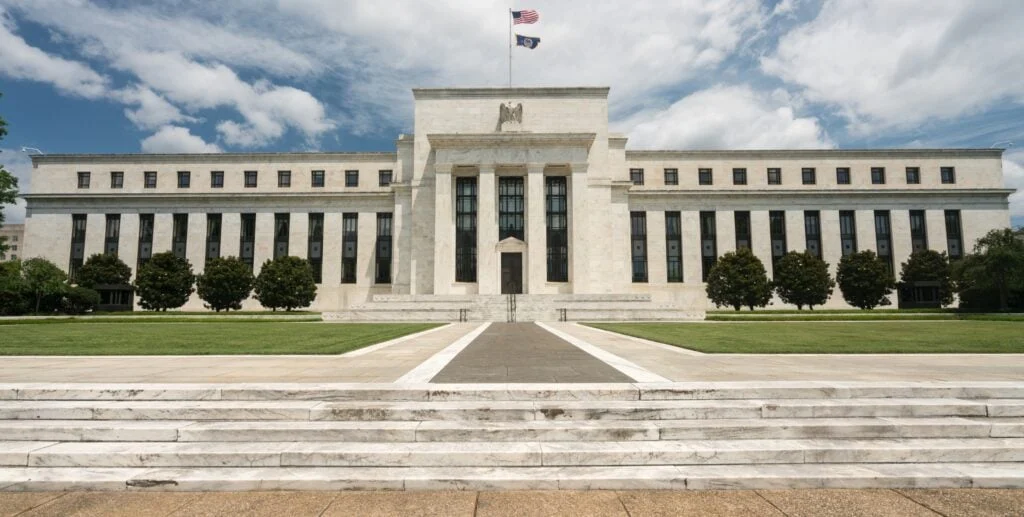
The Federal Reserve’s recent decision to implement a quarter-percentage-point interest rate hike has sent ripples through the American real estate market, signaling a departure from earlier expectations of a pivot toward monetary easing. Under the leadership of the newly appointed chair, Kevin Warsh, the Federal Open Market Committee (FOMC) opted for a 25-basis-point increase in the federal funds rate, a move designed to curb inflationary pressures that have proven more stubborn than economists initially projected. This decision comes at a pivotal moment for real estate investors who, after a period of relative stabilization, now find themselves navigating a high-interest-rate environment that many had hoped was nearing its end. For those active in the housing market, the move evokes a sense of cyclical frustration, reminiscent of the aggressive tightening cycles seen in 2022, as the prospects for immediate cash flow on leveraged properties become increasingly strained.
The Catalyst for Monetary Tightening
The primary driver behind the Federal Reserve’s hawkish stance is the resurgence of inflation, largely attributed to the geopolitical instability surrounding the ongoing conflict in Iran. The war has significantly disrupted global energy markets, leading to a spike in oil prices that has permeated the broader economy. As transportation and manufacturing costs rise, the "headline" inflation figures have remained well above the Fed’s 2% target, forcing the central bank to prioritize price stability over economic expansion.
This latest rate hike is the first in three years to occur following a transition in Fed leadership. While Kevin Warsh was initially perceived by some market participants as having a mandate to lower rates to stimulate growth, the reality of the "Iran war shock" has narrowed the FOMC’s options. The Federal Reserve now finds itself in a precarious position: it must raise rates enough to cool inflation without tipping the economy into a deep recession. For real estate investors, this means the era of "cheap money" remains firmly in the rearview mirror, as the cost of debt continues to climb in tandem with the federal funds rate.
A Chronology of Interest Rate Shifts and Market Response
To understand the current predicament, one must look at the trajectory of interest rates over the past several years. The transition from the Jerome Powell era to the current administration under Kevin Warsh has been marked by a series of external shocks.
- The Post-Pandemic Surge (2021–2022): Under Jerome Powell and the Biden administration, the Fed initially viewed inflation as "transitory." However, as consumer prices soared, the Fed embarked on one of the fastest tightening cycles in history, raising rates from near zero to over 5%.
- The Stabilization Period (2023–Early 2024): Rates held steady as the market waited for the "pivot." Investors began to price in future rate cuts, and mortgage rates saw a slight dip, encouraging a brief uptick in buyer activity.
- The Leadership Transition and Geopolitical Shock (Mid-2024–Present): With the appointment of Kevin Warsh and the outbreak of hostilities in Iran, the narrative shifted. Inflation expectations were revised upward, and the Fed resumed its rate-hiking campaign.
The immediate impact of this chronology is visible in the mortgage market. Even before the Fed’s official announcement of the 0.25% increase, mortgage rates had already surpassed the 7% threshold. This is because mortgage lenders price their products based on the 10-year Treasury yield and long-term inflation expectations rather than the short-term federal funds rate alone. Consequently, the Fed’s move serves as "fuel to the fire," further tightening the screws on home buyers and investors who rely on traditional financing.
Regional Divergence in the Housing Market
Data suggests that the impact of high interest rates is not being felt equally across the United States. The housing market is increasingly fragmented, with different regions showing vastly different levels of resilience. According to recent industry reports, pending home sales have seen significant declines in some areas while remaining surprisingly robust in others.
In the Midwest, pending sales for the month of August fell by 4.3% compared to the previous year. This region, often characterized by its affordability, is seeing a pullback as the combination of record-high home prices and 7% mortgage rates pushes many first-time buyers out of the market. Similarly, the West saw a .3% decline in pending sales, as high-cost coastal markets struggle to maintain volume under the weight of expensive financing.
Conversely, the South and the Northeast have shown a different trend. Pending sales in the South rose by 1.8%, while the Northeast saw a 1.1% increase. These regions continue to benefit from internal migration patterns and a relative shortage of inventory that keeps demand high despite the cost of borrowing. Furthermore, price reductions are becoming a common tool for sellers in the West and South, where over 20% of listings have seen price cuts, compared to only 14.15% in the Northeast. For investors, this data underscores the importance of a "state-by-state" or even "city-by-city" analysis when scouting for new acquisitions.
The Investor’s Dilemma: Cash Flow vs. Opportunity
For the small-scale real estate investor, the current environment presents a classic double-edged sword. On one hand, the "BRRRR" method (Buy, Rehab, Rent, Refinance, Repeat) and other leverage-heavy strategies have become significantly more difficult to execute. When mortgage rates exceed 7%, the "cash flow" on a typical rental property—the profit remaining after all expenses and debt service are paid—often turns negative unless the investor provides a substantial down payment.
On the other hand, the cooling of the retail market creates a "silver lining." As high rates eliminate a large swath of owner-occupant buyers, competition for properties decreases. Mortgage executive Benjamin Cohen noted that a slower market can actually empower buyers, providing more time for due diligence and increased negotiating power with sellers who may be motivated to move their assets.
This shift has brought the concept of "Cash Rules Everything Around Me" (C.R.E.A.M.) back to the forefront of investment strategy. Investors with significant cash reserves or high levels of equity in existing portfolios are finding themselves in a position of strength. Because they are not dependent on traditional bank financing, these "cash-ready" buyers can swoop in on deals that retail buyers can no longer afford, often securing properties at a discount.
Strategic Adjustments for a High-Rate Environment
As the Federal Reserve continues to prioritize inflation control, seasoned investors are shifting their tactics to preserve capital and ensure long-term sustainability. Several strategies have emerged as preferred methods for navigating the current landscape:
- Utilizing Existing Equity: Rather than seeking new high-interest loans, investors are tapping into the equity of their current portfolios. Home Equity Lines of Credit (HELOCs) or cross-collateralization allows for the acquisition of new assets without the same level of exposure to current market mortgage rates.
- Focusing on Asset Stabilization: Many landlords are choosing to "take their foot off the gas" regarding new acquisitions. Instead, they are reinvesting their cash flow into upgrading existing properties. By improving the quality of their current holdings, they can attract higher-quality tenants, reduce turnover, and justify maximum rental rates, which remain strong due to the lack of affordable housing for buyers.
- Portfolio Rationalization: For those holding high-interest debt that they hoped to refinance by now, the current outlook is sobering. Some investors are choosing to sell underperforming assets—even if it means taking a "haircut" on the price—to pay down debt on their more profitable properties. This "strategic retreat" helps to lower the overall risk profile of the portfolio.
Broader Economic Implications and Outlook
The Federal Reserve’s actions have implications that extend far beyond the residential housing market. By raising rates, the Fed is intentionally slowing economic activity to prevent an inflationary spiral. This typically leads to a cooling of the labor market and a reduction in consumer spending. For real estate, this could eventually lead to a stabilization of prices, but it also carries the risk of a broader economic downturn.
Rental demand, however, is expected to remain firm. As the dream of homeownership becomes less attainable for the average American due to the "7% barrier," the pool of long-term renters continues to grow. This sustains the "buy and hold" model of real estate investment, even if the initial acquisition costs are higher.
In conclusion, the quarter-point rate hike by the Federal Reserve represents a continuation of a challenging era for real estate. While the "nightmarish fever dream" of high rates and negative cash flow persists for those reliant on leverage, the market remains fertile for those with the capital and patience to seek out distressed or undervalued assets. The transition in Fed leadership to Kevin Warsh has not yet resulted in the "clear mandate" for lower rates that many expected, as geopolitical realities and inflation data dictate a more cautious path. Investors are encouraged to prioritize liquidity, evaluate their regional market data carefully, and focus on the long-term fundamentals of property management rather than short-term speculative gains. As the market recalibrates, the ability to adapt to a "higher-for-longer" interest rate environment will be the defining characteristic of successful real estate investors in the coming years.
