

Consumers are grappling with a severe economic squeeze as the ongoing U.S. war with Iran fuels a dual surge in oil prices and Treasury yields, significantly straining household budgets. This escalating conflict, which intensified in recent weeks, has sent crude oil prices to new heights, directly translating to higher gasoline prices at the pump. Simultaneously, the benchmark 10-year Treasury yield has climbed to a 19-year high, increasing borrowing costs for major purchases like homes and vehicles, further exacerbating affordability challenges for American households.
Mark Zandi, chief economist at Moody’s Analytics, described the current financial strain on consumers as "a lot of financial pressure." His analysis, as of September 11, indicates that the total economic burden per household since the U.S.-Iran conflict began amounts to approximately $1,760. A substantial portion of this cost, $930 or more than half, is directly attributed to increased energy expenses. This includes the rising prices of gasoline, diesel, and jet fuel, contributing to an aggregate of over $121 billion spent additionally by U.S. consumers on energy since the conflict commenced.
Beyond energy, an additional $425 of the household bill stems from higher interest rates implemented since the war’s outbreak. The remaining $405 is linked to increased military spending, which Zandi notes consumers will ultimately finance through either an expansion of national debt or through future tax increases.
Pain at the Pump: Fuel Prices Surge Amid Geopolitical Tensions
Crude oil prices have experienced a significant reacceleration, surpassing $105 per barrel on Tuesday, marking the highest closing price since mid-May. This surge occurred despite assurances from Energy Secretary Chris Wright, who stated to CNBC that the closure of a Saudi Arabian pipeline, a factor contributing to the price hike, would be temporary, lasting only a few days. The market’s reaction, however, suggests a deeper concern regarding the stability of global oil supplies in the face of ongoing hostilities.
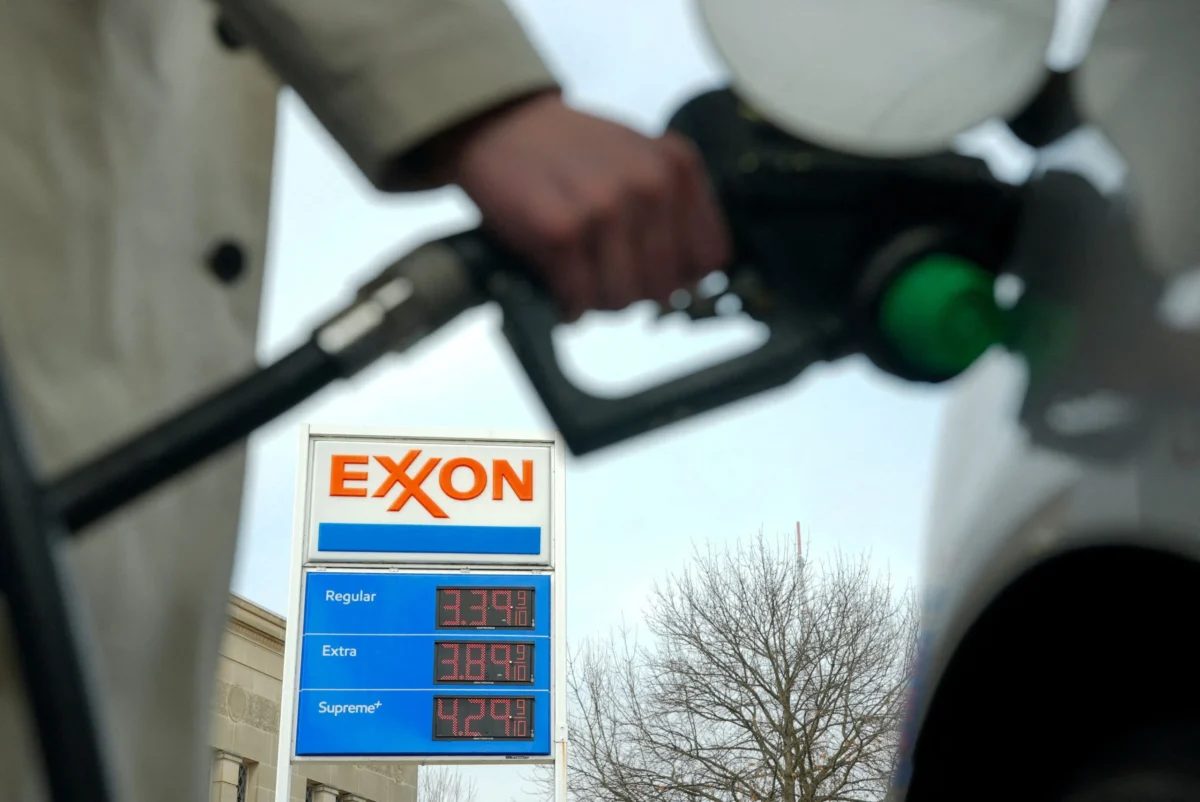
The impact of these elevated oil prices is directly felt by consumers at the gasoline pump. According to AAA, the average price of a gallon of gasoline in the U.S. has now exceeded $4.32, representing a 6% increase month-over-month and a substantial 36% jump compared to the same period last year. This trend meant that travelers over the recent Labor Day holiday faced record-high prices at the pump, underscoring the immediate financial strain on everyday Americans.
The situation is even more dire for diesel fuel, a critical commodity for transportation and logistics. Per-gallon diesel prices have reached all-time highs exceeding $6 in recent days, approximately 70% higher than a year prior, as reported by AAA. Economists warn that these increased diesel costs are likely to be passed on to consumers by businesses, particularly trucking companies that rely heavily on this fuel to transport essential goods like groceries and other products.
The heightened cost of fuel is increasingly becoming a dominant concern for consumers. The University of Michigan’s closely watched consumer sentiment survey revealed that in September, slightly over 29% of respondents mentioned gas prices as a significant factor in their economic outlook. This figure represents a marked increase from approximately 12% in September 2024 and 6% in September 2025, indicating a growing public awareness and concern about fuel costs.
A report by Deloitte highlighted the broader inflationary impact of rising oil prices. The consultancy estimated that a 20% increase in crude oil prices can lead to an approximate three-tenths of a percentage point rise in inflation. This calculation, however, does not account for the cascading effects on prices for other goods and services, such as airfare and food, which can amplify the overall impact on price growth.
Airfare has emerged as one of the fastest-accelerating categories within the Bureau of Labor Statistics’ consumer price index since the onset of the war. The latest BLS data, released last week, shows that airfare prices surged by more than 23% in August compared to the same month in the previous year, reflecting the significant disruption to global travel and supply chains.
Yield Readthroughs: Rising Borrowing Costs Squeeze Consumers
In parallel with the surge in energy prices, the U.S. Treasury market has also experienced significant volatility. The 10-year U.S. Treasury yield climbed to its highest level since 2007 on Tuesday. This benchmark yield, which influences a wide range of consumer and corporate borrowing costs, is now approximately a full percentage point higher than it was a year ago.
The upward pressure on Treasury yields is largely driven by bond investors’ concerns about the war’s potential to fuel inflation and the U.S. government’s capacity to manage its growing debt. Higher yields translate directly into increased borrowing costs for consumers, impacting their ability and confidence to finance large purchases.
The Michigan consumer sentiment survey further illustrates this trend. As of July, 44% of respondents anticipated a rise in borrowing costs over the next year, a significant increase of 10 percentage points from the previous year. Moreover, participants were more likely to view the current economic climate as an unfavorable time to purchase a vehicle, citing high interest rates and restricted credit conditions as primary reasons for their pessimistic outlook.
The impact on the housing market is particularly acute. The average rate for a 30-year fixed mortgage, which closely tracks the 10-year Treasury yield, has now surpassed 7% this month, a threshold not crossed in over a year. Mortgage rates have been on an upward trajectory since the war began, mirroring the broader trend in longer-term bond yields. This escalation in mortgage costs is exacerbating the existing housing affordability crisis across the United States. The Atlanta Federal Reserve’s home ownership affordability index has recently fallen to historically low levels.
Diane Swonk, chief economist at KPMG, observed that consumers experience higher interest rates similarly to inflation, stating, "It makes things less affordable." This sentiment is echoed by labor market analysts. Nicole Bachaud, a labor economist at ZipRecruiter, explained that elevated borrowing costs for businesses can lead to a slowdown in hiring. This hesitancy to expand payrolls creates a more challenging environment for individuals seeking to enter the workforce or change jobs, reinforcing the prevailing perception of a "low hire, low fire" job market.
The Federal Reserve’s monetary policy decisions also play a crucial role. Anticipation of further interest rate hikes by the Fed could further discourage companies from increasing their workforce. CNBC’s Fed Survey indicates that a majority of respondents expect the Fed to raise rates at least twice in the coming year. Fed funds futures are already pricing in a more than 92% probability that the Fed will increase rates at its upcoming meeting, which would mark the first rate hike by the U.S. central bank in over three years.
The rise in borrowing costs also has implications for consumer credit. Total credit card debt in the U.S. reached $1.26 trillion in the second quarter, nearing a record high, according to data from the New York Fed. Increased interest rates on credit cards can significantly amplify the amount consumers owe, further straining household finances.
‘Something Has Got to Give’: The Broadening Economic Impact
Economists have pointed out that the surge in energy costs stemming from the war has largely negated any positive economic impact from increased tax refunds, potentially linked to President Donald Trump’s tax legislation. However, the consensus is that lower-income households, who disproportionately allocate a larger portion of their income to energy expenses, are bearing the brunt of these price increases. This disparity has contributed to the ongoing "K"-shaped economic recovery, where different income classes experience vastly different economic outcomes since the pandemic.
Government data from August reveals that overall inflation is once again outpacing wage growth, particularly as energy prices escalate. Consequently, U.S. consumers are facing negative real earnings growth, meaning their purchasing power is diminishing. With tax refunds depleted and real wages declining, consumers are increasingly relying on their savings. The personal savings rate in the U.S. has fallen to levels not seen since the Global Financial Crisis.
Luke Tilley, chief economist at M&T Bank and Wilmington Trust, cautioned that consumers may eventually be compelled to reduce their spending, a development that could have significant implications for the U.S. economy, given that consumer spending constitutes the majority of the nation’s gross domestic product. The Bureau of Economic Analysis reported a modest 0.2% rise in consumer spending in July, indicating a slight slowdown from the previous month.
"It’s reflecting the times," Tilley remarked. "Costs have gone up and income growth has gone down, so something has got to give." This sentiment encapsulates the growing concern among economists and policymakers about the long-term sustainability of current consumer spending patterns in the face of persistent economic headwinds. The confluence of rising energy costs, increasing interest rates, and the broader geopolitical uncertainties stemming from the U.S. war with Iran presents a formidable challenge to economic stability and household financial well-being. The intricate interplay of these factors suggests a period of continued economic adjustment and potential hardship for a significant portion of the American population.
