

The global Artificial Intelligence revolution, frequently framed as an intense technological arms race between China and the United States vying for dominance in cutting-edge frontier models, may be overlooking a more profound and economically transformative opportunity. The true economic prize, experts suggest, lies not solely in the creation of the most sophisticated AI architectures, but in the widespread and practical deployment of AI solutions tailored to address specific needs and unlock latent potential, particularly within Africa’s burgeoning, young, and rapidly expanding economies. This perspective shifts the narrative from a competition for abstract technological supremacy to a focus on tangible impact and inclusive growth.
The Historical Disadvantage and the Dawn of a New Era
For decades, Africa has occupied a peripheral position in the global innovation landscape. Historically, groundbreaking technologies have been conceived and commercialized in the Global North and East, with African nations often relegated to the role of importers. This dependency has come at a significant cost, both economically and strategically. The stark realities of this paradigm were vividly exposed during the COVID-19 pandemic, a period when African countries faced considerable challenges in securing equitable access to vaccines that were developed and manufactured elsewhere, underscoring the vulnerability inherent in such a reliant innovation model.
However, the advent of advanced AI presents a unique inflection point. The democratizing potential of AI, coupled with the increasing accessibility of powerful computational resources and open-source frameworks, offers Africa an unprecedented opportunity to leapfrog traditional development stages and become a significant player in the AI-driven future. This is not merely about adopting foreign technologies but about fostering indigenous innovation and developing AI solutions that are deeply rooted in African contexts, addressing local challenges, and creating sustainable economic value.
The Promise of Practical AI Deployment in Africa
The core argument for focusing on practical AI deployment in Africa rests on several key pillars. Firstly, the continent boasts a demographic dividend characterized by a youthful and rapidly growing population. This demographic is not only a source of labor but also a significant consumer base and a fertile ground for technological adoption and innovation. AI-powered solutions that enhance education, healthcare, and employment opportunities can directly impact the lives of hundreds of millions of young Africans, fostering a generation that is digitally empowered and economically engaged.
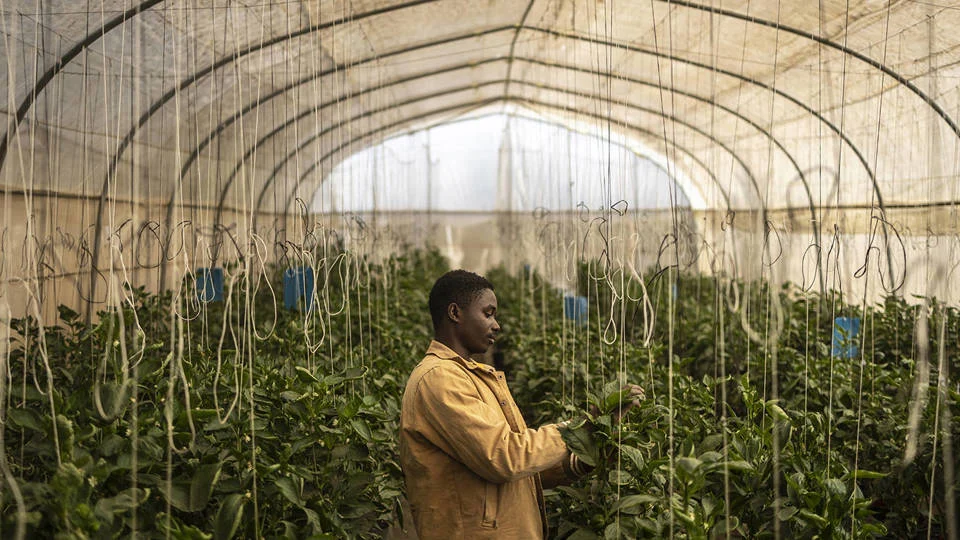
Secondly, Africa’s economies, while diverse, share common challenges that are ripe for AI-driven solutions. Agriculture, a cornerstone of many African economies, can be significantly optimized through AI applications such as precision farming, yield prediction, and pest detection. This not only boosts productivity and food security but also improves the livelihoods of millions of smallholder farmers. Similarly, AI can revolutionize healthcare delivery by improving diagnostics, personalizing treatment plans, and expanding access to medical expertise in remote areas through telemedicine and AI-powered diagnostic tools. The World Health Organization (WHO) has highlighted the critical need for enhanced healthcare access in Africa, and AI presents a powerful avenue to address these gaps. For instance, AI algorithms are already showing promise in detecting diseases like malaria and tuberculosis with greater accuracy and speed in resource-limited settings.
Economic Implications and Market Potential
The economic implications of a successful AI deployment strategy in Africa are substantial. By developing and deploying AI solutions locally, African nations can foster new industries, create high-skilled jobs, and reduce their reliance on imported technologies. This can lead to significant foreign exchange savings and stimulate domestic investment. The African Development Bank (AfDB) has consistently emphasized the need for digital transformation and innovation to drive economic growth on the continent. Their reports often point to the vast untapped market potential within Africa for technology-driven solutions.
Consider the financial services sector. AI can enable more inclusive financial systems through AI-powered credit scoring for individuals and small businesses that lack traditional credit histories. This can unlock access to capital, spur entrepreneurship, and foster broader economic participation. Mobile money platforms, already widespread across Africa, can be further enhanced with AI for personalized financial advice and fraud detection.
The logistics and transportation sectors, crucial for intra-African trade and global connectivity, can also benefit immensely. AI can optimize supply chain management, predict traffic patterns, and improve the efficiency of port operations, thereby reducing costs and transit times. This is particularly relevant as the African Continental Free Trade Area (AfCFTA) gains momentum, aiming to create a single market for goods and services across the continent. Efficient logistics are paramount to realizing the full potential of this landmark agreement.
Fostering an Enabling Ecosystem: Policy and Investment
For Africa to fully harness the power of AI, a concerted effort is required from governments, the private sector, and international organizations. This includes developing robust policy frameworks that encourage AI research and development, protect data privacy, and ensure ethical AI deployment. Investment in digital infrastructure, including reliable internet access and cloud computing capabilities, is a prerequisite for widespread AI adoption.
Governments can play a crucial role by incentivizing local AI startups and research institutions through grants, tax breaks, and public procurement opportunities. Educational reforms that emphasize STEM fields and digital literacy are essential to building a skilled workforce capable of developing and managing AI technologies. International partnerships can provide much-needed technical expertise, funding, and access to global research networks.
The timeline for realizing these ambitions is unfolding rapidly. While the initial conceptualization of AI’s potential has been ongoing for decades, the current era is marked by the availability of powerful algorithms, increased computational power, and vast datasets. African nations are at a critical juncture, with the potential to embed AI into their development strategies from the ground up, rather than retrofitting it onto existing systems.
Challenges and Mitigation Strategies
Despite the immense promise, several challenges stand in the way of widespread AI adoption in Africa. These include a persistent digital divide, limited access to reliable electricity, a shortage of skilled AI professionals, and concerns about data governance and cybersecurity. However, these challenges are not insurmountable.
The digital divide can be addressed through innovative approaches to connectivity, such as satellite internet and community-based Wi-Fi initiatives. Investments in renewable energy sources can provide reliable power for digital infrastructure. Educational institutions, in collaboration with tech companies, can develop specialized AI training programs and bootcamps to cultivate local talent. Organizations like the United Nations Economic Commission for Africa (UNECA) are actively working on policy recommendations to address these very issues, advocating for digital transformation as a key driver of sustainable development.
Furthermore, the development of robust data governance frameworks and cybersecurity protocols is paramount. African nations must proactively establish regulations that ensure data protection, prevent algorithmic bias, and promote transparency in AI systems. This will build trust among citizens and businesses, fostering a more conducive environment for AI integration.
A New Narrative for African Innovation
The narrative of Africa as a passive recipient of technological innovation is outdated. The continent is poised to become a significant player in the AI revolution, not by replicating the strategies of global superpowers, but by charting its own course. The focus on practical AI deployment, tailored to the continent’s unique needs and opportunities, holds the key to unlocking unprecedented economic growth, fostering inclusive development, and empowering its vibrant youth. This is not just about technological advancement; it is about reshaping the future of Africa and its role in the global economy. The true AI revolution for Africa will be one of practical application, widespread adoption, and homegrown innovation, creating a more equitable and prosperous future for all its citizens. The coming years will undoubtedly reveal the profound impact of this shift, as African ingenuity harnesses the power of artificial intelligence to solve its most pressing challenges and build a new era of prosperity.
