

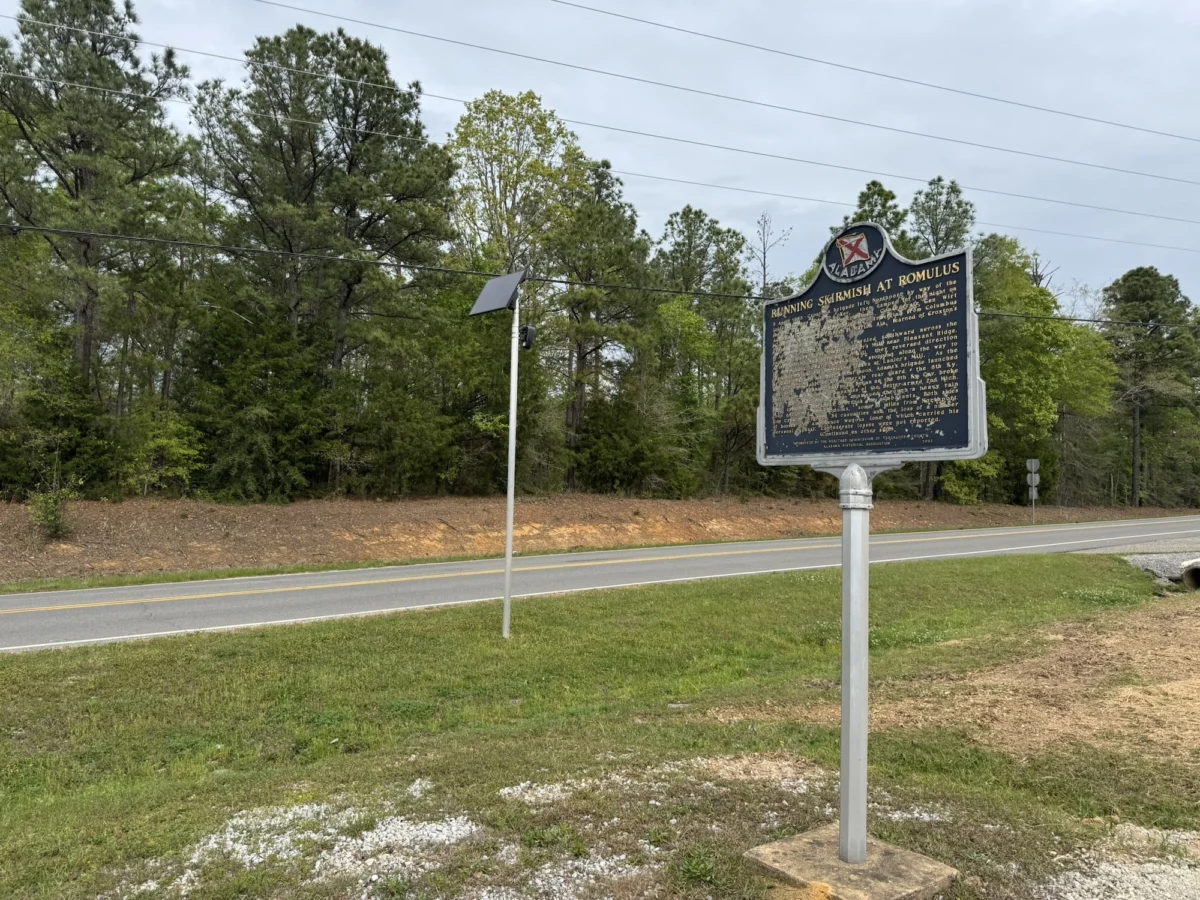
A significant shift in public sentiment and municipal policy is unfolding across the United States as communities grapple with the rapid expansion of high-tech surveillance. In recent months, a growing number of local governments have moved to terminate contracts with Flock Safety, a prominent provider of automated license plate reader (ALPR) technology. This trend, which saw nearly one community cancel its contract every day last month, highlights a deepening divide between law enforcement’s desire for advanced investigative tools and the public’s demand for constitutional protections and technological reliability. While Flock Safety has become the primary face of this controversy, the issue extends to a broader ecosystem of private surveillance firms that are fundamentally altering the relationship between the state and the individual.
The Proliferation of ALPR Technology and the Flock Safety Model
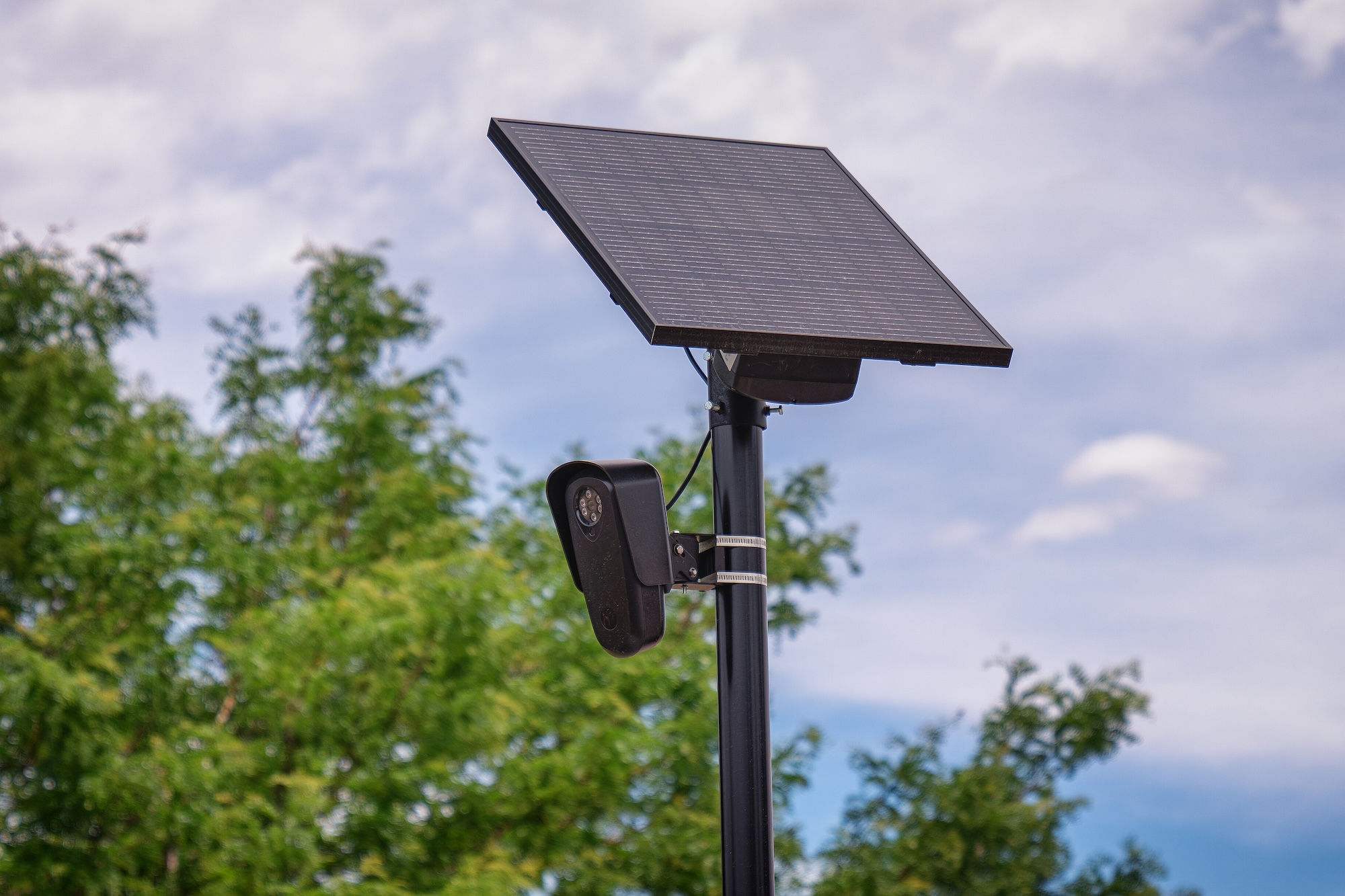
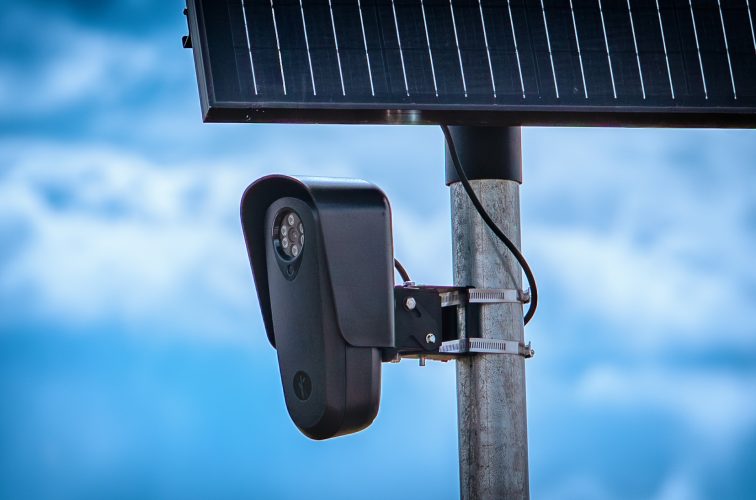
Flock Safety, a Georgia-based startup founded in 2017, has experienced a meteoric rise in the public safety sector. The company currently maintains a network of approximately 120,000 ALPR cameras operating in more than 7,000 communities nationwide. Unlike traditional security cameras that merely record footage for later review, Flock’s devices utilize artificial intelligence to provide real-time, searchable data. The system does more than just capture license plate numbers; it identifies vehicle make, model, color, and unique features such as bumper stickers, roof racks, or visible damage.
The company’s business model relies on a subscription-based "surveillance-as-a-service" approach, which allows local police departments, homeowners’ associations, and retail businesses to deploy sophisticated tracking networks with relatively low upfront costs. However, recent technological updates have expanded these capabilities further. New software allows the cameras to recognize and track pedestrians, moving the technology beyond vehicle monitoring and into the realm of general human surveillance. Proponents of the system argue that these tools are essential for solving crimes ranging from retail theft to homicides, often citing "success stories" where the technology helped locate a suspect’s vehicle within minutes of an incident.
The Human Cost of Algorithmic Error
Despite the efficiency promised by Flock Safety, the practical application of ALPR technology has been marred by a series of high-profile errors that have placed innocent citizens in life-threatening situations. The core of the problem lies in the "hit" system, where the AI flags a vehicle as stolen or associated with a crime, triggering an immediate police response. Because these alerts are often treated as high-priority "hot leads," officers frequently approach the identified vehicles with the assumption that the occupants are armed and dangerous.
In a recent incident in Wisconsin, a woman was stopped on a major interstate and surrounded by officers with weapons drawn after Flock’s system erroneously linked her vehicle to a homicide investigation. This was the second time in two weeks she had been detained at gunpoint due to a system error. Similarly, in Minnesota, an automotive journalist and his wife were surrounded by armed police while test-driving a vehicle that the system had incorrectly flagged as stolen.
The Institute of Justice, which conducted an analysis of 24 traffic stops linked to ALPR errors, found that police drew their weapons in two-thirds of those encounters. These "high-risk" stops create a volatile environment where a single misunderstanding or sudden movement could result in a fatal shooting. The risk is not distributed equally; data from the American Civil Liberties Union (ACLU) indicates that Black drivers are disproportionately affected by police stops, and the introduction of automated flagging systems has the potential to exacerbate existing racial biases in policing. In one severe case in Ohio, a Black driver was attacked by a police dog and suffered permanent injuries after a Flock error led to a mistaken felony stop.
Reliability Statistics vs. Real-World Volume
Flock Safety frequently cites a 93 percent accuracy rate for its technology. While this figure sounds impressive in a vacuum, critics point out that the sheer volume of data processed by the network makes a 7 percent error rate a significant public safety hazard. With Flock cameras reading more than 20 billion license plates every month, even a small margin of error results in over a billion inaccurate readings.
In some jurisdictions, the error rate has proven much higher than the company’s national average. In Roseville, California, an audit of a customized Flock system revealed that more than 70 percent of the alerts generated regarding stolen or felony-linked vehicles were erroneous. Flock attributed these failures to the use of older equipment and specific configurations requested by the city, but the incident fueled concerns that municipal governments are being sold "beta-stage" technology with "life-or-death" consequences.
The Erosion of the Fourth Amendment
At the heart of the legal challenge against Flock Safety is the Fourth Amendment of the U.S. Constitution, which protects citizens against unreasonable searches and seizures. Traditionally, law enforcement requires a warrant based on probable cause to track a person’s movements over an extended period. However, the rise of mass AI-powered surveillance creates a loophole. Because the cameras are placed in public spaces where there is a diminished "expectation of privacy," companies like Flock argue that their data collection is entirely legal.
Legal scholars and civil rights advocates disagree, suggesting that the "mosaic theory" of surveillance applies here. While a single camera at an intersection might not constitute a search, a network of thousands of cameras that can recreate a person’s entire daily routine—where they work, where they worship, who they visit, and where they seek medical care—constitutes a massive, warrantless intrusion into private life. This searchable database allows the government to look back in time at a person’s movements without ever having to demonstrate that the individual was suspected of a crime.
Misuse and the "Insider Threat"
Beyond technical errors, the Flock system has proven vulnerable to intentional abuse by law enforcement officers. In Georgia, a series of audits and investigations led to the resignation or termination of several officers who used the Flock database for personal reasons. Cases included a deputy tracking an acquaintance and officers conducting unauthorized searches for non-enforcement purposes.
While Flock has introduced auditing tools to help departments monitor how their officers use the system, these tools are reactive rather than proactive. They can identify that a breach occurred after the fact, but they cannot prevent an officer from using the system to stalk a former partner or harass a political opponent in real-time. This potential for "digital stalking" has become a primary point of contention for communities deciding whether to renew their contracts.
The Intersection of Surveillance and Social Policy
The implications of ALPR technology extend into the most sensitive areas of American social and political life. Despite Flock’s assertions that it does not work directly with federal immigration agencies, documented instances of local police sharing ALPR data with Immigration and Customs Enforcement (ICE) have surfaced. This has created a climate of fear in immigrant communities, where a trip to the grocery store could inadvertently trigger a deportation proceeding.
Furthermore, the overturning of Roe v. Wade has introduced a new dimension to the surveillance debate. In states where abortion is criminalized, there are growing fears that ALPR data will be used to track women traveling across state lines to seek reproductive healthcare. In one instance, a sheriff’s deputy in Texas reportedly searched 83,000 Flock cameras across the country in an attempt to locate a woman suspected of having an abortion. Similar concerns exist for individuals seeking gender-affirming care, as surveillance data becomes a tool for enforcing state-level bans on medical procedures.
A Growing Market of Surveillance Providers
While Flock Safety is currently the subject of the most intense scrutiny, it is part of a much larger industry. Companies such as Vigilant Solutions and Rekor Systems maintain massive ALPR databases that are sold to both law enforcement and private corporate clients. Additionally, companies like Skydio are partnering with over 1,200 government agencies to provide AI-powered drone surveillance, which can follow vehicles and individuals from the air.

This "surveillance industrial complex" operates in a legal grey area where technological advancement has far outpaced legislative oversight. Most states lack comprehensive laws governing how long ALPR data can be stored, who it can be shared with, and what level of suspicion is required to access it.
The Path Forward: Legislative Action and Public Pressure
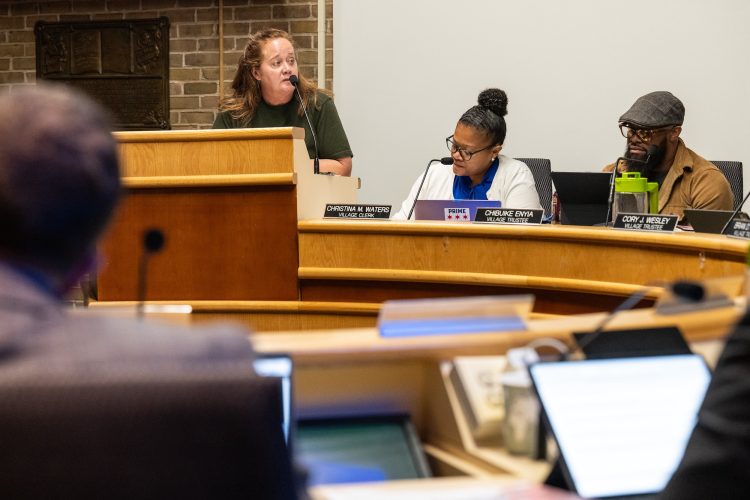
The recent wave of contract cancellations suggests that the "all-access" era of private surveillance may be facing its first real check. Organizations like Deflock and the ACLU have begun providing toolkits for residents to challenge the deployment of these cameras in their neighborhoods. These advocacy efforts emphasize that public safety should not come at the cost of constitutional rights or the physical safety of innocent drivers.
To address these concerns, legal experts suggest several policy interventions:
- Mandatory Purge Rates: Requiring that data on vehicles not involved in a crime be deleted within 24 to 48 hours.
- Strict Access Controls: Implementing "two-factor" authorization for searches, requiring a specific case number and a supervisor’s approval.
- Transparency Reports: Requiring police departments to publish annual reports on how many "hits" led to arrests versus how many were found to be errors.
- Judicial Oversight: Requiring a warrant for any search of the database that goes back more than 24 hours.
As the debate continues, the fundamental question remains: how much surveillance is a free society willing to tolerate in exchange for the promise of security? The answer is currently being written in town hall meetings and city council chambers across the country, as more communities decide that the risks of the "Flock" may outweigh the rewards.
