

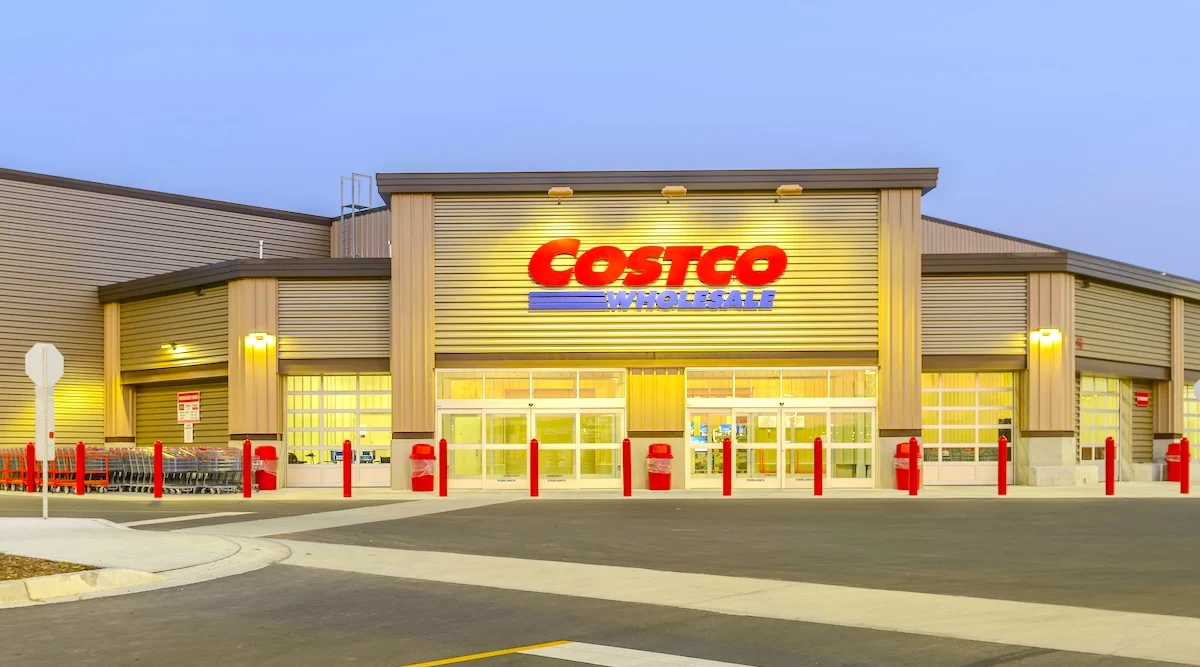
The multinational wholesale corporation Costco has officially initiated a policy of price increases and strict rationing for its proprietary Kirkland Signature motor oil, a move driven by the deepening geopolitical crisis in the Middle East and its subsequent impact on global petroleum markets. As the conflict involving the United States and Iran intensifies, the ripples are being felt across the domestic supply chain, affecting not only the price of gasoline and diesel but also the essential lubricants required for internal combustion engines. This development has sparked a renewed national conversation regarding the stability of fossil fuel dependencies and the accelerating transition toward vehicle electrification.
The Shift in Retail Strategy: Rationing at the Warehouse
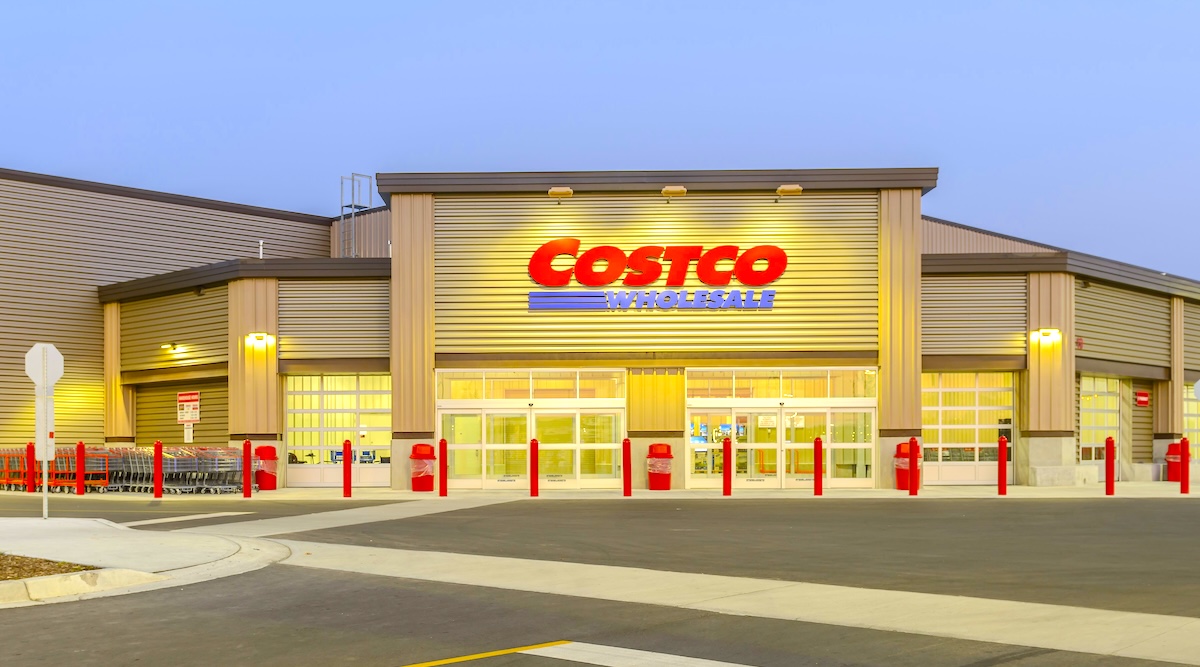
Costco, a retailer long celebrated for its ability to maintain low prices through bulk purchasing and supply chain efficiency, has been forced to adjust its operations in response to the volatile energy market. The company’s Kirkland Signature Full Synthetic Motor Oil, which historically retailed in the mid-$30 range for a 10-quart pack, has seen its price surge to $58.00. Beyond the price hike, the retailer has implemented unprecedented purchase limits. Customers are now restricted to one transaction at a time, with a maximum of two transactions permitted per week.
Industry analysts view this move as a significant indicator of the severity of the current shortage. When a high-volume, low-margin retailer like Costco implements rationing, it typically signals a deep-seated disruption in the manufacturing or logistics layers of the industry. The price increase represents a nearly 60% jump, reflecting the soaring costs of base oils and the additives required for modern high-performance synthetic lubricants.
Geopolitical Drivers: The Conflict in Iran and Maritime Security
The primary catalyst for this economic shift is the ongoing military conflict in Iran. The hostilities have led to the effective closure of the Strait of Hormuz, a vital chokepoint through which approximately one-fifth of the world’s total oil consumption passes. The disruption of this lane has forced global shipping companies to seek alternative, more expensive routes, significantly increasing transit times and insurance premiums for tankers.
The situation was further exacerbated last week when the Iran-backed Houthi rebel group in Yemen launched a series of strategic attacks on Saudi Arabian infrastructure. The group reportedly captured a strategic island in the Bab el-Mandeb Strait, a narrow passage between the Horn of Africa and the Arabian Peninsula. This strait serves as a critical gateway for vessels traveling to and from the Suez Canal. With both the Strait of Hormuz and the Bab el-Mandeb Strait under threat, the global energy supply chain is facing its most significant challenge in decades.
Furthermore, Saudi Arabia recently shuttered an alternative pipeline route following drone attacks originating from Iraq. These synchronized disruptions have created a "perfect storm" for oil prices, driving up the cost of crude and, by extension, every refined product derived from it.
The Specific Crisis of Synthetic Base Oils
While the United States has achieved a level of energy independence in terms of being a net exporter of gasoline and diesel, the situation for lubricants is markedly different. Synthetic motor oil relies on specific base oils that are not produced in large domestic quantities. The U.S. remains a net importer of these high-grade base oils, making the domestic automotive maintenance market uniquely vulnerable to international conflict.
According to data from Independent Commodity Intelligence Services (ICIS), the price of the base oil used for blending widely used synthetic motor oils has more than tripled since the onset of the war, reaching record highs. Amanda Hay, an analyst with ICIS, noted that the feedstock for lubricants comes from the same "barrel of crude" as transportation fuels. When refinery margins for gasoline and diesel—often referred to as the "crack spread"—increase due to wartime demand, refiners prioritize fuel production over lubricant stock. This leads to a tightening of the base oil supply, which eventually manifests as empty shelves or higher prices at retail outlets like Costco and Walmart.
Chronology of the Energy and Lubricant Crisis
The current crisis did not emerge in a vacuum but is the result of a series of escalating events over the last several years, culminating in the current military engagement.
- Pre-Conflict Period: Modern internal combustion engines (ICE) began requiring increasingly sophisticated, low-viscosity synthetic oils to meet stringent fuel economy and emissions standards. This increased the baseline demand for high-quality base oils.
- February 28: Initial military strikes were reported, marking the beginning of the active conflict in Iran. Global oil markets immediately responded with a 15% spike in crude prices within 48 hours.
- March – April: Online searches for electric vehicles (EVs) surged as consumers anticipated a prolonged period of high fuel prices. Major logistics firms began rerouting tankers away from the Persian Gulf.
- May: Reports began surfacing from regional news outlets, such as KTNV in Las Vegas, regarding localized shortages of motor oil at major retailers.
- June: Market analysts confirmed that the cost of synthetic base oil had tripled. National media outlets began highlighting the disparity between U.S. fuel exports and base oil imports.
- August – September: Costco officially raised prices for Kirkland Signature oil to $58.00 and implemented its rationing policy.
- Late September: Houthi rebels captured territory near the Bab el-Mandeb Strait, further destabilizing maritime shipping and triggering a new round of price volatility.
The Impact on Vehicle Total Cost of Ownership (TCO)
The rising cost of motor oil adds another layer to the Total Cost of Ownership (TCO) for traditional internal combustion engine vehicles. While oil changes are an intermittent expense compared to the weekly cost of fuel, the cumulative effect of high gasoline prices and expensive maintenance is shifting consumer sentiment.
For owners of 100% battery-electric vehicles (BEVs), these specific inflationary pressures are non-existent. BEVs do not require engine oil, oil filters, or the complex lubrication maintenance schedules associated with ICE vehicles. While plug-in hybrids (PHEVs) and extended-range electric vehicles (EREVs) still require occasional oil changes, the frequency is often reduced, and the direct impact of the lubricant shortage is mitigated.
Industry analysts suggest that the "unforced" nature of the current geopolitical instability is acting as a catalyst for "EV-curious" consumers to make the switch. The psychological impact of rationing—a concept often associated with wartime austerity—is a powerful motivator for consumers to seek energy independence at the household level.
Official Responses and Market Incentives
In response to the shifting market, Costco has leveraged its Auto Program to incentivize the adoption of electric vehicles. Although the federal tax credit for EVs has expired under the current administration’s policy shifts, Costco is offering member-only incentives to fill the gap.
As of late 2024, Costco is providing temporary incentives on several 100% battery-powered Volvo models, including the EX90, EX40, and the compact EX30. These incentives, which range from $1,000 to $2,000 depending on the membership tier, can be stacked with existing manufacturer rebates. Furthermore, some state and local programs remain active, allowing consumers in certain jurisdictions to significantly lower the upfront cost of an EV.
Market analysts from organizations like CleanTechnica have noted that while fuel price spikes do not always lead to an immediate, permanent surge in EV sales, the combination of high maintenance costs (like the $58 oil pack) and the expansion of the national public charging network is creating a more compelling case for electrification.
Analysis of Long-term Implications
The rationing of motor oil at Costco may be a harbinger of a broader economic shift. If the conflict in the Middle East persists, the "crack spread" will continue to favor fuel production, leaving the lubricant market in a state of chronic undersupply. This could lead to:
- Increased Counterfeit Risks: As prices for reputable synthetic oils rise, the market may see an influx of sub-standard or counterfeit lubricants, potentially leading to increased engine failure rates in the aging ICE fleet.
- Accelerated Fleet Turnover: Corporations with large van and truck fleets may accelerate their transition to electric platforms to avoid the volatile costs of both fuel and petroleum-based maintenance products.
- Infrastructure Pressure: A rapid shift toward EVs will place increased pressure on the electrical grid and public charging infrastructure, necessitating faster deployment of the National Electric Vehicle Infrastructure (NEVI) formula program funds.
The current situation underscores the fragility of a global economy tied to specific geographic chokepoints. For the average Costco member, the sight of a "limit one" sign on a pallet of motor oil is more than a minor inconvenience; it is a tangible reminder of the complex and often volatile intersection of global politics, energy production, and personal mobility. As the TCO for conventional vehicles continues to climb, the move toward a fully electrified transport sector appears less like a choice and more like an economic necessity.
