

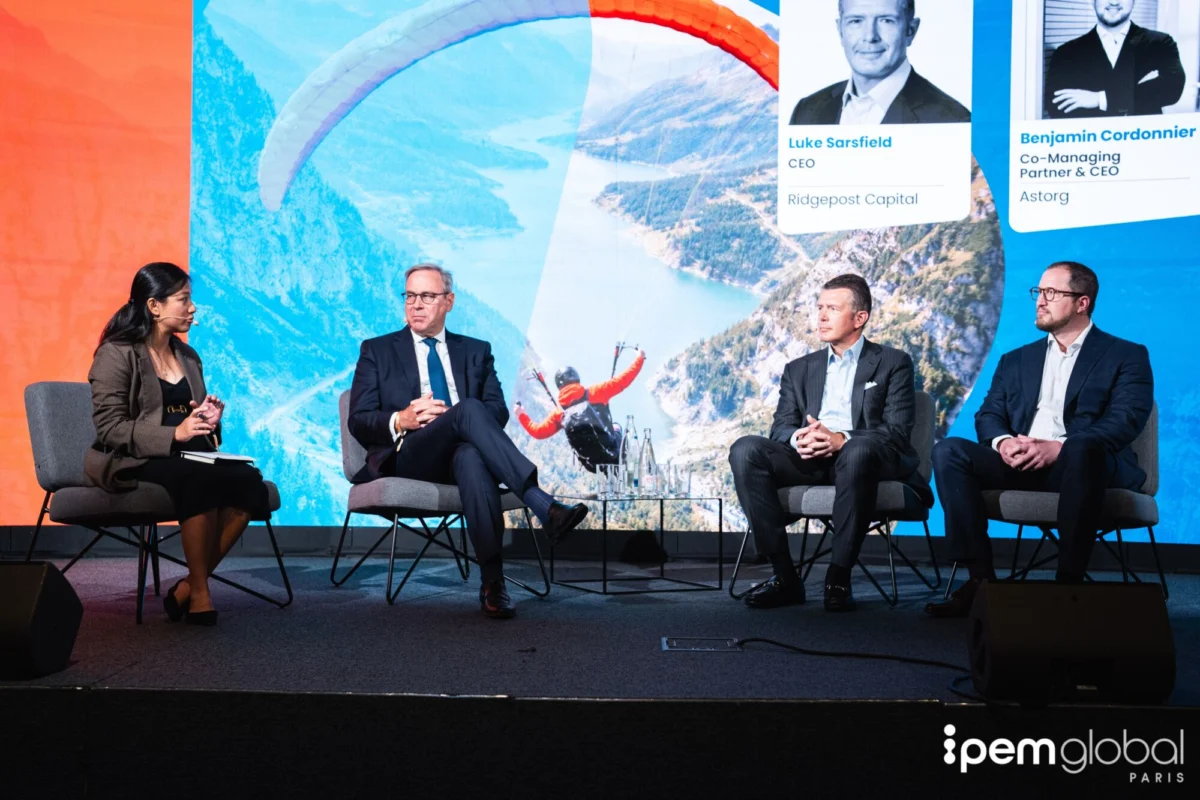
The landscape of private equity deal-making is undergoing a significant transformation, with corporate management teams increasingly prioritizing factors beyond mere capital availability when selecting General Partners (GPs). This shift was a central theme at a prominent industry event on Wednesday, where chief executive officers from leading firms Eurazeo, Astorg, and Ridgepost articulated a new paradigm for GP selection. The consensus among these executives is that while financial backing remains crucial, it has been supplanted by a more nuanced set of criteria that emphasize strategic alignment, operational expertise, and a shared vision for long-term value creation.
The event, held against the backdrop of a dynamic and evolving private equity market, brought together influential figures to dissect current trends and forecast future directions. The specific forum for these discussions, while not explicitly detailed in the provided snippet, likely served as a platform for networking and knowledge exchange amongst industry leaders, potentially a conference or summit focused on private equity strategy and investment. The timing of such a discussion is particularly relevant, as the industry navigates a period of heightened competition, evolving investor expectations, and a growing demand for GPs to act as true strategic partners rather than just capital providers.
The Evolving Criteria for GP Partnerships
CEOs from Eurazeo, Astorg, and Ridgepost, speaking in unison, highlighted that the traditional reliance on a GP’s ability to deploy large sums of capital is becoming insufficient. Instead, management teams are now meticulously evaluating a GP’s track record in driving operational improvements, fostering innovation, and cultivating sustainable growth within portfolio companies. This implies a move towards a more collaborative and hands-on approach, where GPs are expected to bring more than just financial resources to the table.
"We’re seeing a maturation of the market," stated one CEO, paraphrasing the sentiment expressed by the panel. "Companies are looking for partners who understand their business intimately, who can offer strategic guidance, and who have a proven ability to execute on that guidance. Capital is a given; it’s the value-add that truly differentiates."
This recalibration of priorities reflects a growing understanding that long-term enterprise value is built not just on financial engineering but on robust operational performance and strategic foresight. For management teams, securing a GP that aligns with their long-term vision and possesses the requisite expertise to help achieve it is paramount. This can translate into a deeper engagement in areas such as market expansion, product development, talent acquisition, and digital transformation.
The Strategic Imperative: Beyond Financial Returns
The discussion underscored that the most sought-after GPs are those who can demonstrate a clear understanding of the specific industry and market dynamics of their potential portfolio companies. This involves a proactive approach to due diligence, not just on the financial health of a target, but also on its competitive landscape, technological advancements, and potential for disruption.
"It’s about finding a partner who speaks the same language," a panelist reportedly commented. "Someone who understands the nuances of our sector and can contribute meaningfully to strategic decision-making. This partnership needs to be built on mutual respect and a shared understanding of the challenges and opportunities ahead."
This emphasis on strategic alignment suggests that GPs who can offer deep sector expertise, a global network of contacts, and a proven ability to navigate complex market conditions will be at a distinct advantage. The days of a one-size-fits-all approach to private equity investment are evidently drawing to a close.
Operational Excellence as a Key Differentiator
A significant portion of the discussion revolved around the increasing importance of operational expertise. Management teams are no longer content with GPs who simply provide capital and expect management to handle all operational aspects. Instead, they are actively seeking GPs with a demonstrable capacity to contribute to operational improvements, efficiency gains, and the implementation of best practices.
This might involve GPs leveraging their internal operating partners, engaging specialized consultants, or bringing in experienced executives from their own networks to work alongside management. The goal is to create a symbiotic relationship where the GP’s operational insights and resources catalyze tangible improvements within the portfolio company.
"Our focus is on building businesses that are resilient and sustainable," another executive explained. "This requires a proactive approach to operational excellence, and we look for GPs who share that commitment and have the capabilities to help us achieve it."
The implications of this shift are far-reaching. It suggests that GPs will need to invest more heavily in their operational capabilities and build teams that possess a diverse range of functional expertise. This could also lead to a greater demand for GPs with a track record of successfully integrating new technologies, optimizing supply chains, and enhancing customer engagement.
The Rise of Long-Term Partnerships
The conversation also hinted at a growing preference for GPs who are willing to engage in longer-term partnerships, moving away from a purely transactional approach. Management teams are increasingly looking for GPs who are aligned with their vision for sustained growth and value creation, rather than those focused on shorter investment horizons and rapid exits.
This long-term perspective is crucial for businesses operating in sectors that require significant investment in research and development, market penetration, or technological innovation. A GP that understands and supports this long-term vision can provide the stability and resources necessary for the company to achieve its full potential.
"We are not just looking for a financial transaction; we are looking for a strategic alliance," a CEO articulated. "We want partners who are invested in our long-term success, who are willing to weather market fluctuations with us, and who share our commitment to building enduring value."
Data and Context: A Shifting Market
While specific data points were not provided in the original text, the trend described aligns with broader observations in the private equity industry. Global private equity fundraising has seen significant growth over the past decade, leading to a substantial amount of dry powder available for investment. According to Preqin, a leading data provider for the alternative assets industry, global private equity fundraising reached record levels in recent years, with hundreds of billions of dollars being raised annually. This abundance of capital has intensified competition among GPs for attractive investment opportunities.
Simultaneously, Limited Partners (LPs), the investors in private equity funds, have become more sophisticated and demanding. They are increasingly scrutinizing GPs not only on their historical performance but also on their strategies for value creation, their ESG (Environmental, Social, and Governance) commitments, and their ability to adapt to changing market dynamics. This pressure from LPs naturally filters down to GPs, influencing their own selection criteria when seeking co-investment opportunities or partnering with management teams.
The timeframe for these shifts can be traced back over the last five to ten years, with the trend accelerating in the post-pandemic era. The increasing pace of technological change, the growing emphasis on sustainability, and the heightened geopolitical uncertainties have all contributed to a more complex investment environment, necessitating a more strategic and collaborative approach.
Potential Reactions and Broader Implications
The views expressed by the CEOs from Eurazeo, Astorg, and Ridgepost are likely to resonate with many management teams and GPs across the industry. This evolving landscape suggests that:
- GPs will need to adapt their strategies: Those firms that can demonstrate strong operational capabilities, deep sector expertise, and a commitment to long-term partnership will be better positioned to attract and retain high-quality deal flow. This may involve investing in dedicated operating teams, developing proprietary value creation playbooks, and fostering stronger relationships with management teams.
- Management teams will have more leverage: With an increasing number of GPs vying for partnerships, management teams can afford to be more selective. They can demand terms and strategic alignment that best suit their long-term objectives.
- The definition of "value creation" is expanding: Beyond financial engineering, value creation will increasingly be defined by operational improvements, innovation, talent development, and sustainable business practices.
- Industry consolidation may occur: GPs that struggle to adapt to these evolving criteria might face challenges in raising capital and securing deals, potentially leading to consolidation within the industry.
In conclusion, the private equity sector is witnessing a fundamental redefinition of partnership. While capital remains a cornerstone, the future success of GP-LP relationships will hinge on a more sophisticated interplay of strategic alignment, operational prowess, and a shared commitment to building sustainable, long-term value. This evolution signals a more mature and collaborative phase for the private equity industry, one that promises to benefit both investors and the companies they support.
