

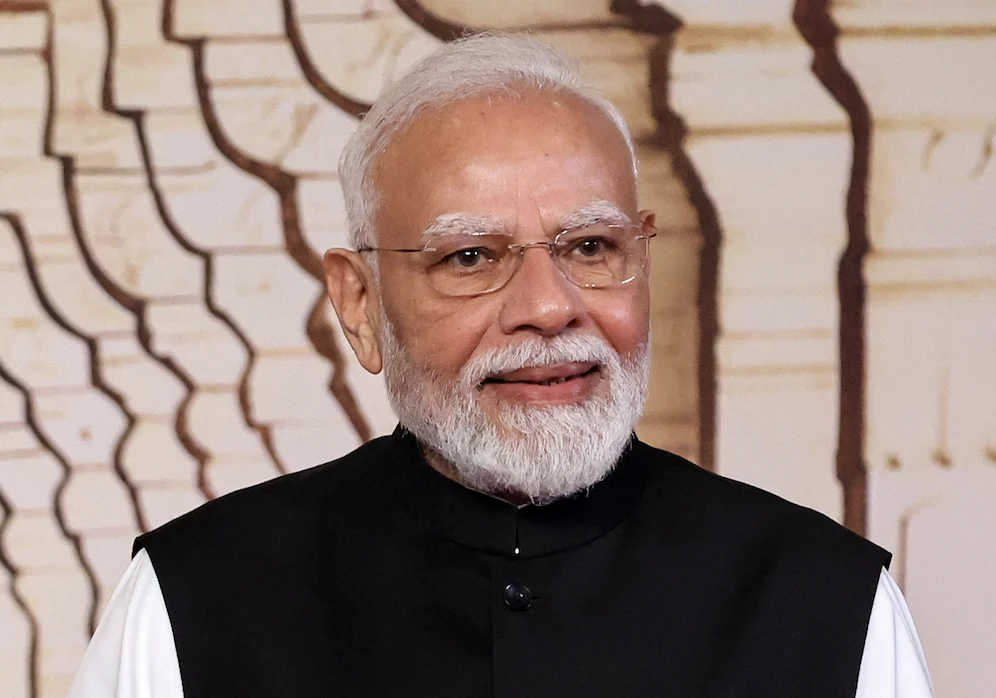
In a landmark address delivered at the opening of the BRICS summit in New Delhi on September 12, 2026, Indian Prime Minister Narendra Modi issued a forceful call for the fundamental restructuring of global governance institutions. Speaking before a plenary session of leaders from the expanded BRICS+ bloc, the Prime Minister argued that the current international order remains tethered to a post-World War II "pyramid of privilege" that systematically excludes the voices of the Global South. He asserted that the nations of the developing world are frequently the most severely impacted by global economic and political decisions, yet they remain largely unable to shape the policies that determine their futures.
The summit, hosted in the Indian capital, marks a pivotal moment for the BRICS organization, which has significantly expanded its membership and influence over the past three years. Prime Minister Modi’s keynote speech underscored a growing consensus among emerging economies that the existing multilateral frameworks—including the United Nations Security Council, the International Monetary Fund (IMF), and the World Bank—no longer reflect the demographic or economic realities of the 21st century. By advocating for a more "equitable and inclusive" system, India has reaffirmed its role as a self-appointed bridge between the developed West and the developing world, challenging the status quo of international diplomacy.
The "Pyramid of Privilege" and the Call for Reform
The centerpiece of Prime Minister Modi’s address was the metaphorical "pyramid of privilege," a term he used to describe the hierarchical nature of current global power structures. According to the Prime Minister, this pyramid places a small group of developed nations at the apex, where they wield disproportionate influence over global finance, security, and trade regulations. Meanwhile, the vast majority of the world’s population, residing in the Global South, occupies the base, bearing the brunt of systemic shocks such as climate change, supply chain disruptions, and inflationary pressures without having a seat at the primary decision-making tables.
"The world is changing, but our institutions are not," Modi stated during the televised session. "We cannot address the challenges of the mid-21st century with tools forged in the mid-20th century. The Global South is no longer a silent spectator; it is an engine of global growth and a repository of innovation. To deny these nations a decisive role in global governance is not only unjust but also unsustainable for the stability of the international order."
The Prime Minister’s rhetoric reflects a long-standing grievance among emerging markets regarding the "democratic deficit" in international organizations. For decades, the leadership of the World Bank has been traditionally reserved for an American citizen, while a European has led the IMF. Furthermore, the permanent membership of the UN Security Council remains restricted to the five victors of a war that ended over eighty years ago, excluding major regional powers such as India, Brazil, and South Africa.
A Chronology of the BRICS Evolution
The 2026 New Delhi summit represents the culmination of a decade-long shift in the group’s objectives and composition. To understand the context of Prime Minister Modi’s demands, one must look at the trajectory of the BRICS alliance:
- 2009–2010: The formation of the original BRIC (Brazil, Russia, India, and China) and the subsequent inclusion of South Africa. The group initially focused on economic cooperation and providing an alternative to the G7.
- 2014: The establishment of the New Development Bank (NDB), headquartered in Shanghai, as a direct alternative to the World Bank, signaling the group’s intent to create its own financial architecture.
- 2023 (The Johannesburg Turning Point): The 15th BRICS Summit in South Africa saw a historic agreement to invite six new members: Argentina (which later withdrew), Egypt, Ethiopia, Iran, Saudi Arabia, and the United Arab Emirates. This expansion transformed BRICS from a compact club of emerging markets into a sprawling geopolitical bloc representing nearly half of the world’s population.
- 2024–2025: The group focused on "de-dollarization" efforts, exploring the use of local currencies for intra-bloc trade to reduce vulnerability to U.S. sanctions and fluctuations in the value of the dollar.
- September 2026: The New Delhi Summit convenes with a specific focus on "Global Governance Reform," led by India’s push to institutionalize the influence of the Global South.
Economic Data and the Shift in Global Weight
The calls for reform are backed by a shifting economic landscape that lends weight to the Prime Minister’s assertions. According to data released by the BRICS Research Group and corroborated by various international financial monitors, the collective GDP of the BRICS+ nations (in terms of Purchasing Power Parity, or PPP) now exceeds that of the G7 nations.
As of early 2026, BRICS+ members account for:
- Approximately 37% of the global GDP (PPP).
- Nearly 45% of the world’s total population.
- Over 40% of global oil production and a significant majority of the world’s rare earth mineral reserves, which are essential for the green energy transition.
- Roughly 25% of global exports.
Despite this economic heft, the voting shares within the IMF for countries like India and China remain significantly lower than those of smaller European economies. For instance, India’s voting share in the IMF is approximately 2.63%, while the United Kingdom and France each hold around 4.03%. This statistical disparity is a primary driver of the "pyramid of privilege" critique, as emerging economies argue that their financial contributions and economic stability are not reflected in their decision-making power.
Official Responses and Regional Perspectives
The Prime Minister’s call for an overhaul received immediate support from other BRICS+ leaders, though with varying nuances based on their respective national interests.
President Luiz Inácio Lula da Silva of Brazil echoed Modi’s sentiments, focusing specifically on the need for a "green" financial overhaul. "The Global South is rich in biodiversity and renewable potential, yet we are trapped in a debt cycle dictated by northern financial centers," Lula remarked. He called for a reform of the international debt architecture to allow developing nations to invest in climate resilience without facing sovereign default.
China’s leadership emphasized the "multipolar" aspect of the proposal. Beijing has consistently advocated for a "democratization of international relations," which aligns with its goal of reducing the hegemony of Western alliances. Chinese representatives at the summit highlighted the "Global Development Initiative" as a complementary framework to the BRICS objectives.
South African officials focused on the African continent’s representation. With Ethiopia and Egypt now in the fold, the bloc has significantly strengthened its African footprint. South African delegates argued that the "pyramid of privilege" is most visible in the exclusion of any permanent African seat on the UN Security Council, a situation they described as a "relic of colonial-era thinking."
Conversely, reactions from Western capitals remained cautious. While spokespeople for the U.S. State Department and the European Commission have previously acknowledged the need for "evolutionary" changes to the international system, they have generally resisted the wholesale "overhaul" suggested by the BRICS bloc. Western diplomats often point to the importance of maintaining "rules-based" standards, which they argue are essential for global stability, regardless of the shifting economic weight.
Broader Impact and Geopolitical Implications
The implications of Prime Minister Modi’s speech extend far beyond the walls of the summit hall in New Delhi. Analysts suggest that this rhetoric signals a more assertive phase of Indian foreign policy, often referred to as "strategic autonomy." By positioning India as the champion of the Global South, Modi is not only challenging Western dominance but also ensuring that India remains a central pillar in any future global order.
There are three primary areas where the push for governance reform is expected to have the most significant impact:
1. The Future of the United Nations
The 2026 summit has intensified pressure on the UN to move beyond rhetoric regarding Security Council reform. If the UN fails to integrate major powers like India and Brazil into its primary decision-making body, there is a growing risk that BRICS+ will continue to build parallel institutions, effectively bypassing the UN on matters of global security and economic coordination.
2. The Global Financial Architecture
The push for "equal systems" is likely to accelerate the development of the BRICS Interbank Cooperation Mechanism. This could lead to an increase in the use of "Central Bank Digital Currencies" (CBDCs) for cross-border settlements, bypassing the SWIFT system and reducing the impact of Western-led economic sanctions. The NDB is also expected to increase its lending in local currencies, providing an alternative to the dollar-denominated loans of the IMF.
3. Climate and Energy Policy
The Global South’s demand for a "more equal system" includes the transfer of technology and finance for the energy transition. Modi’s address suggested that developed nations, which historically contributed the most to carbon emissions, must provide the "pyramid’s base" with the tools necessary to develop sustainably. This sets the stage for more contentious negotiations at upcoming COP summits, where the BRICS+ bloc is increasingly acting as a unified negotiating entity.
Conclusion: Toward a New Multilateralism
As the New Delhi summit continues, the "Delhi Declaration" is expected to formalize these calls for reform into a structured roadmap. Prime Minister Modi’s demand to dismantle the "pyramid of privilege" is more than a rhetorical flourish; it is a reflection of a world in transition. The success of this initiative will depend on the ability of the BRICS+ nations to maintain internal cohesion despite their diverse political systems and regional rivalries.
For the international community, the message from New Delhi is clear: the era of post-Cold War unipolarity has ended, and the institutions that governed that era are facing an existential crisis of legitimacy. Whether the current system can bend to accommodate the rising Global South, or whether it will break under the pressure of these new realities, remains the defining question of global diplomacy in 2026.
