

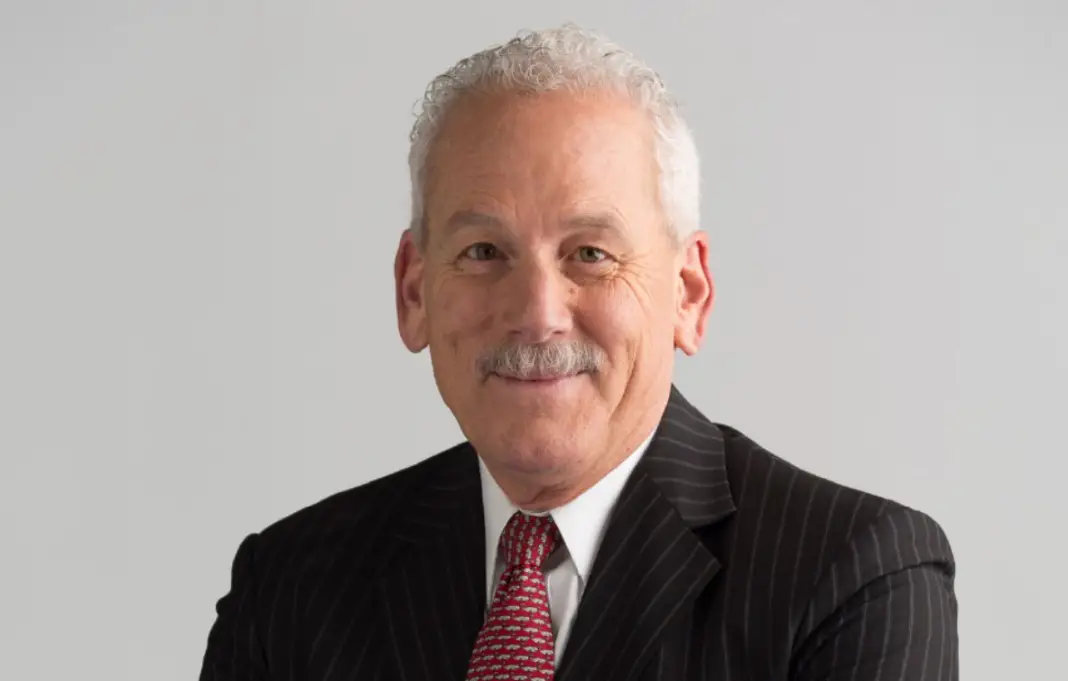
The core tenet of leadership, according to John Waggoner, founder and chairman of Victory Cruise Lines, is an unwavering sense of responsibility. This conviction is not merely a platitude but a deeply ingrained operational philosophy that permeates every level of his company, which specializes in offering unique cruising experiences across the Great Lakes and America’s historic waterways. Waggoner’s belief is that collective effort amplifies productivity, and the higher one ascends in an organization, the more readily they should embrace a hands-on approach. This ethos dictates that every individual on board, regardless of their official title, must be prepared to contribute to whatever task is necessary to ensure the seamless operation and ultimate success of the guest experience.
Waggoner frequently illustrates this principle during the company’s annual orientation sessions, often through a compelling anecdote that underscores his commitment to a unified team effort. He recounts an incident where, during a routine inspection of one of the company’s vessels, he observed deckhands diligently engaged in washing the ship’s windows. Nearby, the captain was observed seated with a cup of coffee, engrossed in his newspaper, seemingly detached from the immediate tasks at hand. Waggoner’s response was to approach the captain and request his assistance with the window washing. The captain’s immediate, and in Waggoner’s view, defiant, reply was, "But I’m the captain."
This exchange, far from being a minor disciplinary matter, represented a fundamental disconnect with Waggoner’s leadership philosophy. For Waggoner, a captain’s role is to lead by example, demonstrating a willingness to participate in all aspects of shipboard operations, not to abstain from tasks deemed beneath their station. Consequently, Waggoner made the decisive action of terminating the captain’s employment. He clarifies the significance of this event, stating on a recent broadcast of the Corporate Competitor Podcast, "This isn’t a story about washing windows. This is a story about all of us together doing whatever needed to be done on board to make it a perfect product for our guests." This narrative serves as a powerful, albeit stark, illustration of the company’s unwavering commitment to a culture where every member is a vital contributor to the collective mission of delivering an exceptional guest experience.
Waggoner’s leadership style is demonstrably influenced by his background as an endurance athlete. His formative experiences in competitive cross-country running and hurdling, coupled with his recent completion of the arduous Escape from Alcatraz triathlon, have instilled in him a profound understanding of sustained effort and strategic vision. He views competition not as a sprint but as a carefully managed marathon, emphasizing consistency, endurance, and a clear, overarching objective. This perspective has been instrumental in the methodical and deliberate growth of Victory Cruise Lines, with each strategic decision and operational improvement built upon a foundation of long-term vision and persistent execution.
"A marathon is 26 one-mile races," Waggoner often muses, drawing a parallel between athletic endurance and business strategy. "That idea constantly reinforces in me that I can do whatever I set my mind to." This mantra encapsulates his belief in the power of breaking down monumental tasks into manageable steps, fostering a sense of achievable progress and reinforcing the capacity for individuals and teams to overcome challenges through persistent effort and unwavering focus.
Strategic Approaches to Guest Satisfaction and Operational Efficiency
Beyond the overarching philosophy of shared responsibility, Waggoner has cultivated specific, actionable strategies designed to elevate the guest experience and optimize operational effectiveness. These methods, refined through experience and a commitment to continuous improvement, are integral to Victory Cruise Lines’ success.
The Art of Inquiry: Eliciting Candid Feedback
A cornerstone of Waggoner’s approach to understanding and enhancing the guest experience lies in the deliberate framing of feedback mechanisms. He recognizes that superficial inquiries often yield superficial responses. Instead of the generic "How was your cruise?", which might prompt a polite but uninformative answer, Waggoner advocates for a more probing question: "If you were the owner of this boat, give me three things you’d change." The effectiveness of this question, in Waggoner’s estimation, is inversely proportional to the speed of the response. A longer pause indicates that guests are genuinely contemplating their experience, critically evaluating various aspects of the cruise, and are more likely to provide insightful, actionable feedback. This method moves beyond simple satisfaction metrics to uncover areas for genuine improvement, demonstrating a commitment to not just meeting, but exceeding guest expectations.
The implementation of such targeted feedback collection can provide invaluable data for cruise lines. For instance, a cruise line that consistently receives suggestions for more diverse onboard entertainment options through this method might then invest in expanding its programming, potentially leading to increased passenger engagement and positive word-of-mouth. Similarly, consistent feedback regarding specific dining experiences could prompt a review of culinary offerings or service protocols, directly impacting guest satisfaction. This proactive approach to understanding guest desires is crucial in a competitive market where personalized and memorable experiences are highly valued.
Leading by Doing: The ‘Toolbelt’ Management Philosophy
Waggoner’s philosophy of "wearing the toolbelt" signifies a management style that is inherently collaborative and grounded in practical application. He believes that true leadership is best demonstrated when managers actively participate alongside their teams, thereby fostering a sense of camaraderie and shared purpose. This is not merely about being present, but about actively engaging in the operational tasks. When a leader is seen "putting on a toolbelt and working with people," the perceived hierarchy diminishes, and individuals begin to see the leader as an integral part of the team, rather than an overseer.
This approach can significantly impact team morale and productivity. When leaders demonstrate a willingness to undertake the same tasks as their employees, it can break down barriers, build trust, and encourage a more cohesive working environment. For example, during a busy embarkation period, if a manager is observed assisting with luggage handling or guest check-in, it sends a powerful message of solidarity and shared responsibility. This can motivate staff to go the extra mile, knowing their leaders are invested in the collective effort. The psychological impact of seeing leadership actively involved can be profound, shifting the dynamic from one of command and control to one of mutual support and shared accomplishment.
Strategic Cadence: The Power of Compartmentalization
Managing a large organization like Victory Cruise Lines, with its diverse operations and multifaceted demands, necessitates a strategic approach to task management. Waggoner emphasizes the importance of "compartmentalizing," a technique that involves breaking down large, complex objectives into smaller, more manageable components. This strategy is directly linked to his endurance running analogy: no marathon is won in a single stride. By focusing on one "mile race" at a time, individuals and teams can maintain momentum, avoid feeling overwhelmed, and achieve a steady, progressive advancement towards larger goals.
The practical application of compartmentalization is evident in project management, strategic planning, and daily operations. For instance, the development of a new cruise itinerary might be broken down into phases: market research, route planning, port negotiation, marketing campaigns, and onboard service development. Each phase can then be further subdivided into specific tasks. This approach allows for focused attention, efficient resource allocation, and a clearer tracking of progress. In a business context, this can lead to reduced errors, improved efficiency, and a more predictable path to achieving strategic objectives. It also empowers individuals by providing them with clearly defined responsibilities and achievable milestones, fostering a sense of accomplishment as each component is successfully completed.
The Broader Impact: A Culture of Excellence in Hospitality
John Waggoner’s leadership philosophy at Victory Cruise Lines is more than just a set of management principles; it is the bedrock of a corporate culture designed to cultivate excellence in the hospitality sector. By emphasizing shared responsibility, leading by example, and employing strategic compartmentalization, Waggoner is not only ensuring the smooth operation of his vessels but also fostering an environment where every employee feels empowered and valued.
The implications of this approach extend beyond the immediate guest experience. A company culture that prioritizes collaboration and shared effort can lead to higher employee retention rates, as individuals feel more connected to their work and their colleagues. Furthermore, a consistent commitment to guest satisfaction, driven by a leadership that understands the nuances of service delivery, can build a strong brand reputation and cultivate a loyal customer base.
In the competitive landscape of the travel and tourism industry, where differentiation is key, Victory Cruise Lines’ focus on a deeply ingrained culture of responsibility and guest-centricity positions it as a distinctive operator. The company’s commitment to ensuring "all of us together doing whatever needed to be done on board to make it a perfect product for our guests" is not merely a motto but a tangible operational strategy that promises to shape the future of its unique cruising experiences. As the company continues to navigate America’s historic waterways, its leadership’s dedication to this philosophy will undoubtedly be a critical factor in its ongoing success and its ability to redefine expectations for discerning travelers.
