

In the remote reaches of the Alaskan wilderness, where the infrastructure of the modern power grid gives way to the raw forces of nature, two Native communities are pioneering a shift in how rural energy is produced. For decades, these villages have been tethered to the high cost and environmental risk of diesel fuel, often transported via hazardous barge routes or expensive cargo flights. However, a technological evolution is taking place beneath the surface of Alaska’s powerful river systems. By deploying hydrokinetic turbines—devices that capture the energy of flowing water without the need for ecologically disruptive dams—the villages of Igiugig and Napaimute are moving toward a future defined by energy sovereignty and 100 percent renewable power.
The transition is not merely a matter of environmental preference but one of survival. In regions where diesel can cost upwards of $10 per gallon, the economic burden of traditional energy generation has contributed to a trend of out-migration, as residents flee the rising cost of living for urban centers like Anchorage or Fairbanks. The success of these river-based energy projects represents a critical proof-of-concept for decentralized, renewable microgrids that could eventually be scaled across the globe.
The High Stakes of Rural Energy Logistics
To understand the significance of the hydrokinetic transition, one must first consider the "last-mile" challenge of Alaskan energy. For the village of Igiugig, located at the mouth of the Kvichak River, electricity has historically been a product of diesel combustion. For years, fuel arrived in 55-gallon drums; today, it is more commonly delivered by river barge. However, the Kvichak is a dynamic environment. When water levels drop, barges cannot navigate the shallows, forcing the village to rely on air-delivered fuel—a method that is not only prohibitively expensive but also carries a high risk of accidents during offloading.
Jonathan Salmon, the energy director for the Igiugig Village Council, notes that the reliability of power is inextricably linked to food security. In a community where subsistence hunting and fishing are the primary means of sustenance, freezers filled with salmon and moose are the village’s lifeblood. A single missed fuel delivery or a prolonged power outage does not just mean the lights go out; it threatens the community’s entire winter food supply.
In Napaimute, situated on the Kuskokwim River, the situation is similarly dire. With no road access, the village faces diesel costs of approximately $10.50 per gallon. During the summer, when the population swells with seasonal fishers, the energy demand peaks alongside the cost. This economic reality prompted both villages to look toward the very rivers that sustain their fisheries as a potential source of consistent, year-round power.
A Chronology of Innovation: The Igiugig Model
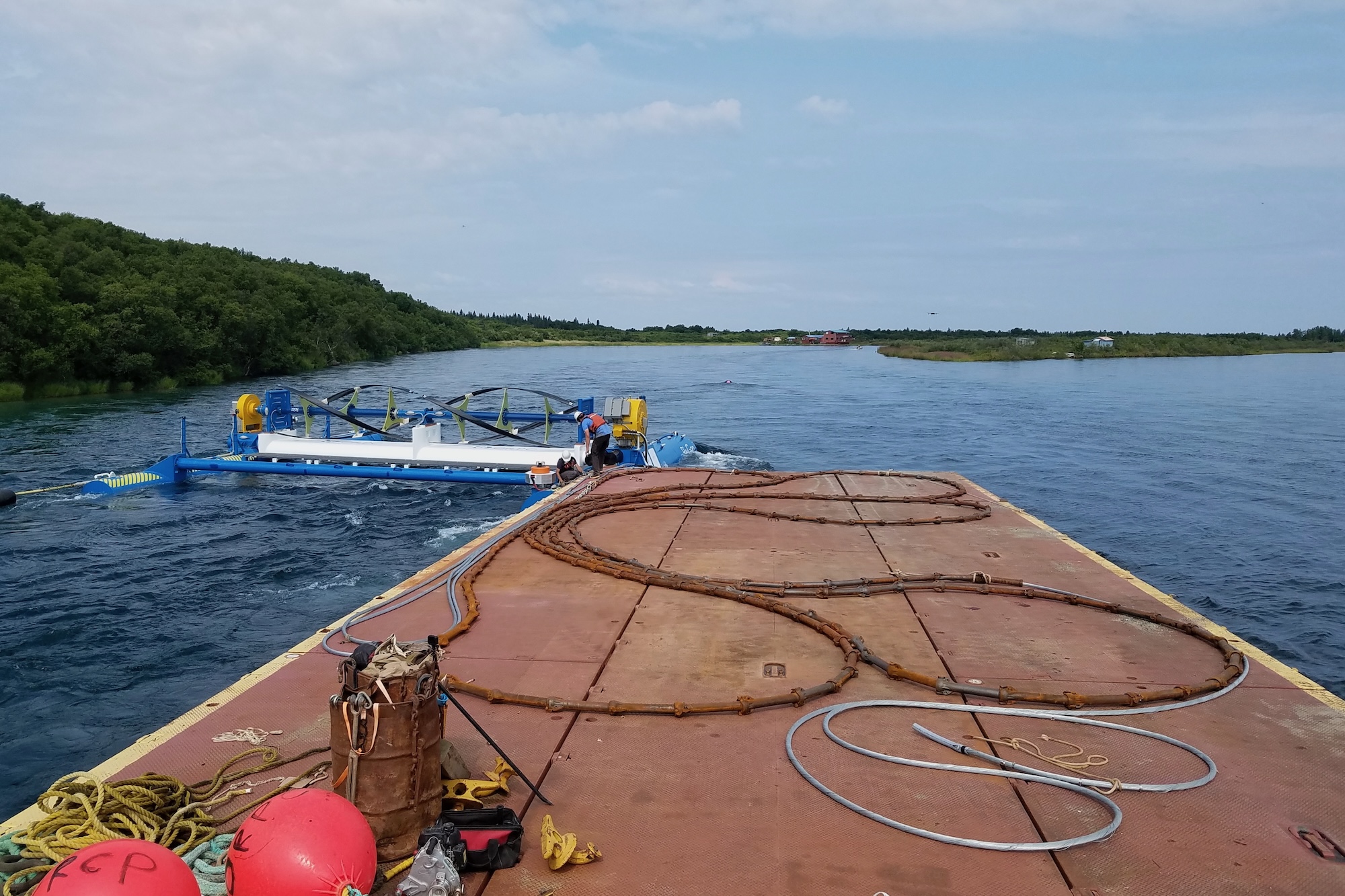
The journey toward riverine energy in Igiugig began nearly two decades ago. The community recognized that the Kvichak River, with its deep channels and consistent, fast-moving current, was a prime candidate for hydrokinetic development. Unlike traditional hydroelectric power, which requires dams that block fish migration and alter sediment flow, hydrokinetic turbines sit in the "run of the river," spinning like underwater wind turbines.
The project’s timeline highlights the patience and community-led oversight required for such a transition:

- 2007: Igiugig applies for an Alaska state grant to investigate the feasibility of river energy.
- 2012: After securing funding, the village begins a rigorous vetting process for technology partners.
- 2015: Two companies are invited to demonstrate their technology. One design fails due to the river’s power, while the other, Ocean Renewable Power Company (ORPC), establishes a collaborative partnership with the Village Council.
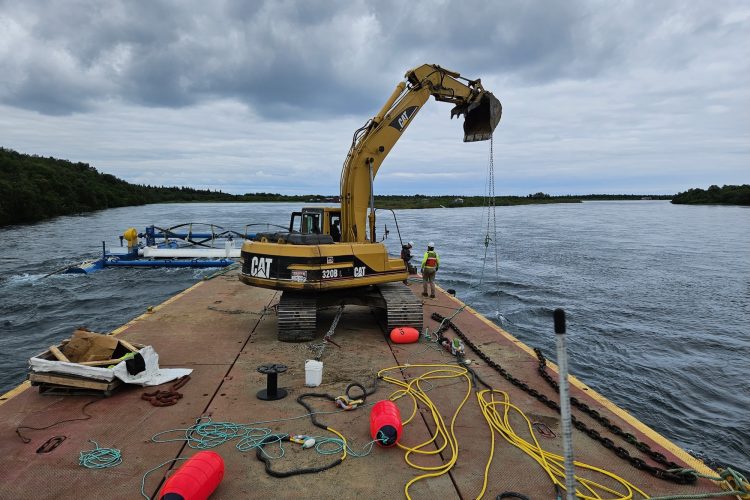
- 2019: The first RivGen Power System is officially deployed, sending electricity directly into the local grid.
- 2023: A second turbine is installed, further reducing the community’s reliance on diesel.
A key factor in the project’s success was the "community-first" approach adopted by ORPC. Rather than imposing a top-down technical solution, the company worked under the guidance of the Igiugig Village Council. This ensured that local knowledge regarding ice floes, debris, and fish behavior was integrated into the system’s design.
Technical Specifications and Environmental Monitoring
The RivGen turbines used in Igiugig are designed for durability in some of the world’s harshest aquatic environments. These units are submerged on the riverbed, where they capture the kinetic energy of the current. Because the water in the Kvichak is dense and moves at a high velocity, it provides a more predictable and consistent energy source than wind or solar, which are subject to weather fluctuations.

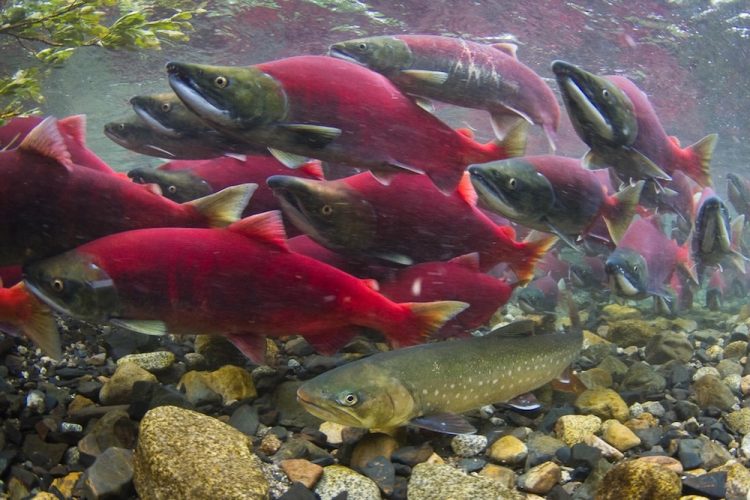
However, the primary concern for any Alaskan river project is the impact on salmon. The Kvichak and Kuskokwim rivers support some of the world’s largest runs of sockeye and Chinook salmon. These fish are not only an ecological cornerstone, fertilizing the forests with their remains after spawning, but also a cultural and economic necessity for Native communities.
To address these concerns, Igiugig and ORPC implemented an extensive monitoring program using underwater sonar and high-definition cameras. The findings have been encouraging:

- Migration Paths: Adult salmon migrating upriver tend to avoid the deep, fast-moving center channels where the turbines are located, preferring the slower waters near the banks.
- Smolt Survival: Young salmon (smolts) migrating downriver to the ocean generally swim near the surface, passing safely over the submerged turbines.
- Acoustic Impact: While the turbines do produce sound, researchers found that the natural noise of the river—specifically the sound of gravel and rocks moving along the riverbed—is often louder than the mechanical hum of the blades, meaning the turbines do not significantly alter the acoustic environment for the fish.
Napaimute’s Hybrid Approach: Solar and River Power
This summer, the village of Napaimute is launching its own pilot project, building on the lessons learned in Igiugig but utilizing a different technology. Partnering with BladeRunner Energy, Napaimute is testing a smaller, more portable turbine design. Unlike the permanent installations in Igiugig, this turbine can be easily removed before the winter freeze-up, a necessary feature for a village that experiences significant ice movement.
Dan Gillikin, the environmental director for the Native Village of Napaimute, explains that the goal is a hybrid renewable system. The village already utilizes solar arrays, but solar power is insufficient during the cloudy stretches of the Alaskan summer or during the high-demand fishing season. By integrating a river turbine, Napaimute expects to achieve 100 percent renewable power during peak periods.

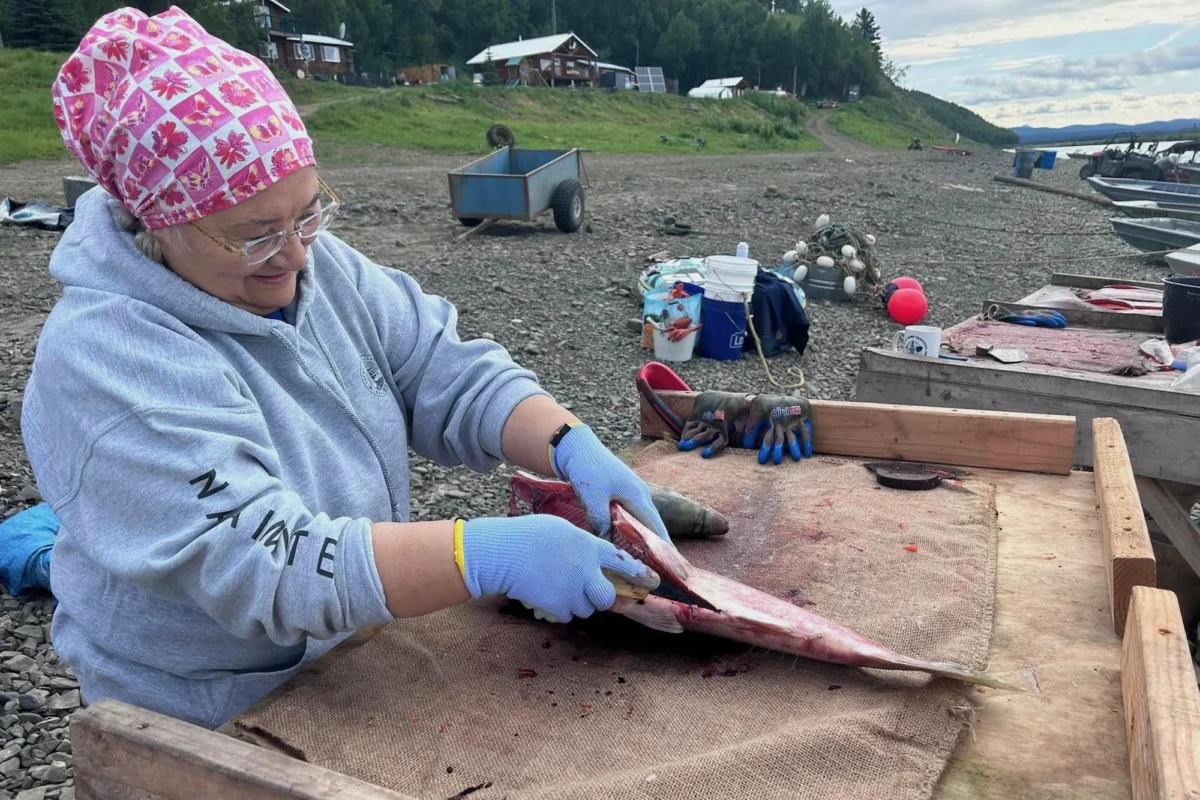
The economic implications are substantial. Gillikin estimates that the river turbine could save the village between $25,000 and $30,000 annually. In a small community, those savings can be reinvested into infrastructure, education, or food preservation programs. To ensure the safety of the fisheries, Napaimute will utilize a traditional "fish wheel"—a device used for centuries by Alaska Natives to catch fish—to monitor the health of salmon passing the turbine site. Local women who have processed fish for decades will examine the catch for any signs of physical trauma or disorientation.
Challenges and the Regulatory Frontier
Despite the technical success of these projects, significant hurdles remain. The current regulatory framework for hydrokinetic energy is largely based on traditional dam-based hydropower, which involves arduous permitting processes that can take years to navigate. Igiugig’s current pilot license from the Federal Energy Regulatory Commission (FERC) expires in 2029. As there is no established pathway for transitioning a pilot project into a long-term commercial installation, the village must essentially draft the blueprint for future regulations.

Maintenance also remains a high-risk endeavor. Working on a device submerged in a fast-flowing river requires specialized training and a deep understanding of local hydrology. Igiugig has focused on training its own residents to handle operation and maintenance, ensuring that the economic benefits of the project—including jobs—remain within the community.
Broader Impact: A Global Renewable Puzzle
The success of river turbines in rural Alaska is attracting international attention. As the world seeks to decarbonize, "run-of-river" technology offers a way to provide clean energy to cities and remote villages alike without the massive environmental footprint of large-scale dams.

ORPC is already expanding its reach, with projects planned for the St. Lawrence River in Montreal and the Niagara River between the United States and Canada. In Germany, a similar turbine at a World Heritage site in Bamberg is currently powering 300 homes while preserving the historic aesthetic of the waterway.
For the residents of Igiugig and Napaimute, however, the project is less about global trends and more about the preservation of a way of life. By harnessing the power of the rivers that have sustained them for millennia, these villages are proving that traditional indigenous knowledge and cutting-edge renewable technology can work in tandem. As fuel prices continue to fluctuate and the climate changes, the spinning blades beneath the Kvichak and Kuskokwim rivers offer a rare commodity in the Arctic: a reliable, sustainable, and locally controlled future.
