

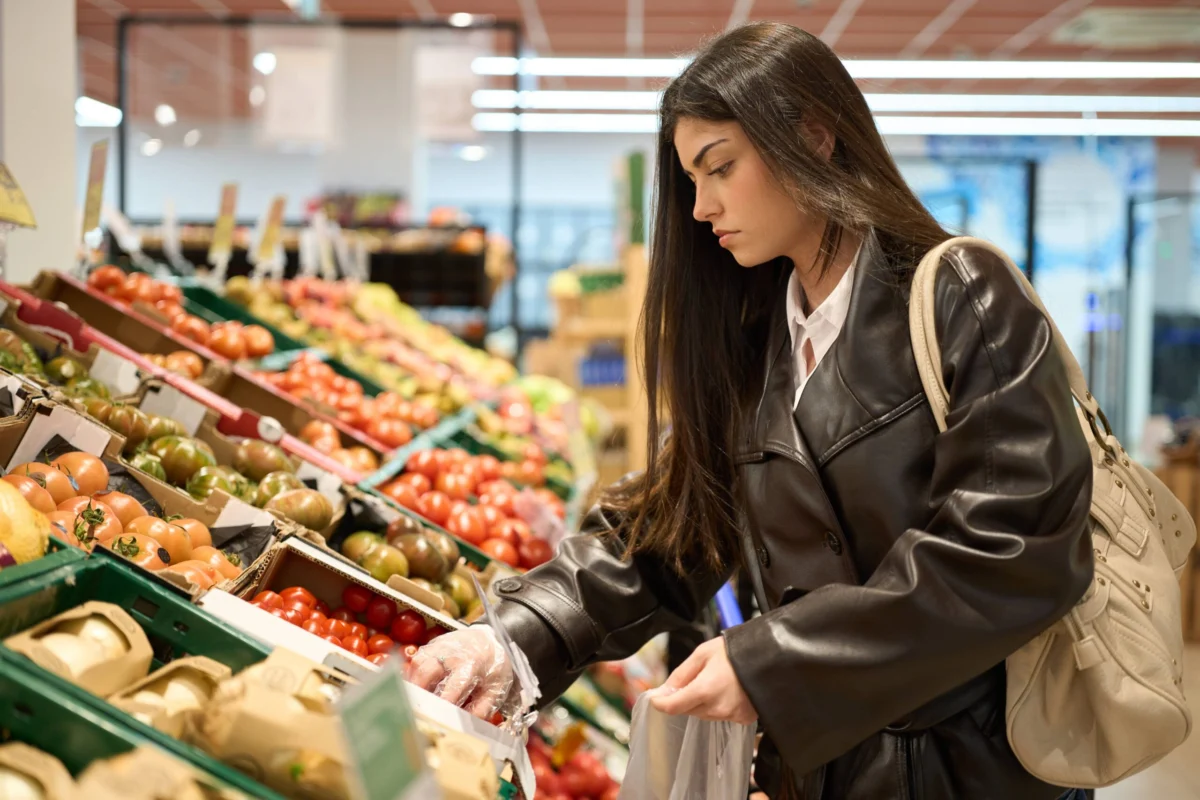
A notable shift is underway within the American grocery retail sector, as major supermarket chains, including industry giants Kroger, Ahold Delhaize’s Stop & Shop, and the regional powerhouse The Raley’s Companies, have initiated significant downsizing programs. This strategic recalibration, which commenced in 2025 for some and is projected to continue through 2027 for others, signals a period of intense operational optimization in response to evolving market dynamics, consumer behaviors, and economic pressures. The widespread closures are indicative of a broader industry trend where retailers are meticulously evaluating their store portfolios to enhance efficiency and long-term financial sustainability in an increasingly competitive landscape.
The Broader Context of Retail Transformation
The current wave of supermarket closures is not an isolated phenomenon but rather a symptom of a deeply transforming retail environment. The grocery sector, traditionally a bedrock of stability, has undergone profound changes accelerated by the COVID-19 pandemic and subsequent shifts in consumer preferences. Initially, the pandemic saw a surge in demand for groceries as consumers cooked more at home, but this was quickly followed by an explosion in online grocery shopping and delivery services. While brick-and-mortar stores remain critical, their role is evolving, necessitating a re-evaluation of store size, location, and operational model.
According to data from the U.S. Department of Commerce, e-commerce penetration in the grocery sector has steadily climbed, with online grocery sales showing consistent growth year-over-year. This growth, though slowing post-pandemic, continues to exert pressure on the profitability of traditional large-format stores that rely heavily on foot traffic. Furthermore, inflationary pressures across the economy have driven up operating costs for supermarkets, including labor, rent, utilities, and transportation. The Consumer Price Index (CPI) for food has seen significant increases, impacting both retailers’ margins and consumers’ purchasing power, leading many shoppers to become more price-sensitive and seek out value-oriented options or consolidate their shopping trips.
The competitive landscape has also intensified, with the rise of discounters like Aldi and Lidl, the expansion of mass merchandisers like Walmart and Target into fresh food categories, and the increasing presence of specialized online delivery services. This multifaceted pressure compels established chains to shed underperforming assets and invest in more profitable or strategically important locations and technological advancements.
Kroger’s Portfolio Optimization Strategy
Kroger, one of the largest grocery retailers in the United States with a diverse portfolio of banners, is leading this downsizing trend with a substantial plan for store closures. During its first-quarter fiscal 2025 earnings call, the company disclosed its expectation to close approximately 60 stores across its extensive portfolio by the end of 2026. This decision, conveyed to investors and analysts, underscores Kroger’s strategic intent to optimize its physical footprint.
While specific locations for all 60 closures were not immediately detailed in the public statement, industry analysts interpret such moves as a proactive measure to divest underperforming or redundant stores, particularly in markets where the company may have overlapping banners or where demographic shifts have rendered certain locations less viable. This strategy aligns with a broader corporate focus on enhancing profitability and market efficiency, rather than merely reducing overall scale. Kroger has consistently emphasized its commitment to creating a seamless shopping experience, integrating its digital capabilities with its physical stores. This often means investing in higher-performing stores, upgrading technology, and expanding services like "ClickList" (online order and pickup) or home delivery, while simultaneously streamlining its less productive assets. The company’s ongoing efforts, including its proposed merger with Albertsons (though subject to regulatory approval), highlight a drive towards increased operational synergy and a more competitive stance in the evolving grocery market. The closures are thus seen as a calculated component of a larger strategy aimed at strengthening Kroger’s core business and ensuring its long-term market leadership.
Stop & Shop’s Targeted Adjustments in the Northeast
Ahold Delhaize’s Stop & Shop chain, a prominent grocery presence in the highly competitive Northeastern United States, has also confirmed its participation in the downsizing wave. In July, the company announced specific plans to close store locations in Basking Ridge and Westfield, New Jersey, both slated for 2026. These targeted closures reflect a granular approach to market analysis, characteristic of Ahold Delhaize’s North American strategy.
The Northeast corridor, with its dense population and numerous retail options, presents a particularly challenging environment for grocery retailers. Stop & Shop, like its competitors, faces intense pressure from various formats, including traditional supermarkets, discount chains, and expanding online services. The decision to close specific stores in New Jersey likely stems from a comprehensive review of local market conditions, including competitive saturation, store performance metrics, lease expiration timelines, and the evolving shopping habits of residents in those particular communities. For instance, an area might have seen an increase in alternative grocery options, a shift in population demographics, or simply a consistent underperformance of a specific store relative to its operating costs and potential for profitability. Ahold Delhaize has a track record of optimizing its banners, including Stop & Shop, Giant Food, and Hannaford, to ensure each brand remains competitive and relevant within its regional focus. These closures are thus indicative of an ongoing effort to maintain a robust and efficient store network, allowing resources to be redirected towards enhancing the customer experience in more viable locations or investing in growth areas.
The Raley’s Companies: A Regional Downsizing and Strategic Reinvestment
The Raley’s Companies, a well-established regional grocery chain with a history stretching back to 1935 in California, is implementing a significant regional downsizing plan that calls for the closure of seven stores across California and Nevada. This initiative began in 2026 and is set to extend into early 2027, affecting numerous employees and communities within its operational footprint.
Chronology of Raley’s Closures:
- January 2026: The downsizing plan commenced with the closure of a Raley’s store in Roseville, California. The company allowed its lease for this location to expire, signaling an early move towards portfolio adjustment.
- April 2026: This was followed by the closure of another Raley’s store in Antioch, California, where the lease was also allowed to expire.
- May 29, 2026: A Nob Hill Foods store, one of Raley’s banners, in Mountain View, California, was shuttered. This particular closure impacted approximately 50 employees, highlighting the human element of these corporate decisions.
- November 3, 2026: The Raley’s store in Brentwood, California, is scheduled for closure.
- December 2026: A Raley’s location in Elko, Nevada, is also slated for closure by the end of the year, extending the downsizing effort beyond California.
- January 26, 2027: The Raley’s store in Petaluma, California, is confirmed to close, affecting 48 workers. This closure brings the regional total to six in California and one in Nevada.
- June 2027: The Nob Hill Foods store in Los Gatos, California, will close when its lease expires.
Chelsea Carbahal, a spokesperson for The Raley’s Companies, articulated the strategic rationale behind these difficult decisions, stating to SFGate, "Thoughtful stewardship sometimes means opening stores and sometimes it means making difficult decisions to close them." This sentiment underscores a proactive management approach aimed at ensuring the long-term health of the overall enterprise. Carol Barsotti, the company’s Chief Marketing Officer, further elaborated on the Los Gatos closure, noting it came after a thorough review of the store’s performance and current economic conditions.
The primary drivers cited for Raley’s downsizing include challenging local market conditions and the imperative for long-term financial sustainability. Ms. Carbahal specifically pointed to increased competition from online marketplaces and evolving customer preferences as factors that have impacted foot traffic and overall sales at Raley’s brick-and-mortar locations. These factors are common across the grocery industry, requiring retailers to adapt their physical store models to complement their digital offerings.
In an effort to mitigate the impact on its workforce, Raley’s has pledged to offer transfer opportunities to as many affected employees as possible, as reported by KSRO radio. This commitment reflects a common practice among large retailers during periods of restructuring, aiming to retain valuable talent where feasible. Despite the closures, The Raley’s Companies are not solely in a retrenchment phase. The chain plans to open a new store in March 2027 in the Central Valley city of Madera, California. This simultaneous investment in new locations while closing others illustrates a strategic reallocation of resources, focusing on markets identified for growth and profitability. This dynamic approach ensures that while the company streamlines its existing portfolio, it also continues to evolve and expand where opportunities are most promising.
Economic and Social Implications of Supermarket Closures
The closure of supermarket stores, particularly those of established chains like Kroger, Stop & Shop, and Raley’s, carries significant economic and social implications for the communities they serve.
Employment Impact: The most immediate and direct consequence is the loss of jobs. While companies like Raley’s offer transfer opportunities, these are not always feasible for all employees due to location, personal circumstances, or the availability of suitable positions. Job losses can lead to financial hardship for individuals and families, and a ripple effect on local economies as spending power diminishes. Communities often face the challenge of absorbing displaced workers, potentially increasing unemployment rates and straining social services.
Food Deserts and Access to Fresh Food: A critical concern arising from grocery store closures is the potential creation or exacerbation of "food deserts." These are areas, often low-income, where residents have limited access to affordable and nutritious food. When a major supermarket closes, especially in neighborhoods with fewer alternative grocery options, residents may be forced to travel longer distances, rely on less healthy convenience store fare, or face higher prices at smaller, independent stores. This disproportionately affects vulnerable populations, including the elderly, those without reliable transportation, and low-income families, impacting public health outcomes and exacerbating existing inequalities.
Impact on Local Economies: Supermarkets are often anchor tenants in shopping centers, attracting foot traffic that benefits surrounding businesses. A closure can lead to decreased vibrancy in a retail area, potentially causing other businesses to suffer or even close. Furthermore, municipalities lose tax revenue from sales and property taxes, which can affect local public services. The vacant store properties themselves can become blights, impacting property values and community aesthetics, unless quickly redeveloped.
Consumer Choice and Competition: For consumers, store closures mean reduced choice and potentially less competitive pricing. With fewer options, remaining supermarkets may face less pressure to offer competitive prices or a wide variety of products. This can lead to increased household grocery budgets and fewer opportunities for consumers to find products that meet specific dietary or cultural needs.
Industry Trends and Future Outlook for Grocery Retail
The current downsizing by major supermarket chains is a testament to the ongoing evolution of the grocery retail industry, which is continuously adapting to stay relevant and profitable. The future of grocery is likely to be characterized by several key trends:
Adaptation of Store Formats: Expect to see a continued move away from the traditional, massive supermarket model towards more diverse formats. This includes smaller, urban-centric stores designed for quick trips and convenience, specialized stores focusing on specific demographics or product categories (e.g., organic, ethnic foods), and "dark stores" or micro-fulfillment centers dedicated solely to online order fulfillment.
E-commerce Integration and Omnichannel Experience: The seamless integration of online and offline shopping will be paramount. Retailers will continue to invest heavily in robust e-commerce platforms, efficient last-mile delivery solutions, and convenient "click-and-collect" options. The physical store will increasingly serve as a touchpoint for discovery, fresh produce, and unique experiences, complementing the convenience of online shopping.
Technological Advancements: Artificial intelligence, data analytics, and automation will play an ever-larger role in optimizing operations. AI can personalize marketing, manage inventory more efficiently, and predict consumer demand. Robotics in warehouses and even in stores (e.g., for cleaning or inventory scanning) will enhance efficiency and reduce labor costs. Smart shelves, frictionless checkout technologies, and personalized loyalty programs will further enhance the customer experience.
Focus on Value and Private Labels: In an inflationary environment, consumers are increasingly seeking value. This will likely lead to an increased focus on private label brands, which offer comparable quality at lower prices, and a more aggressive pricing strategy from retailers. Discount formats will continue to gain market share.
Sustainability and Ethical Sourcing: Consumer demand for sustainable practices, ethically sourced products, and transparency in the supply chain will grow. Retailers will need to respond by offering more organic, local, and environmentally friendly options, and by demonstrating their commitment to corporate social responsibility.
The "Experience" Economy: To draw customers back into physical stores, supermarkets will increasingly aim to offer more than just groceries. This could include in-store cafes, cooking classes, tasting events, community spaces, or partnerships with local businesses, transforming the grocery trip into a more engaging and experiential activity.
In conclusion, the widespread store closures announced by Kroger, Stop & Shop, and The Raley’s Companies underscore a critical period of strategic realignment within the U.S. grocery sector. These decisions, while challenging for affected communities and employees, are ultimately rooted in a pragmatic assessment of market realities and a commitment to long-term viability. As the industry navigates the complexities of digital transformation, shifting consumer demands, and economic pressures, the emphasis will remain on creating efficient, adaptable, and customer-centric retail models capable of thriving in a perpetually evolving marketplace. The ongoing adjustments are not merely a contraction but a strategic recalibration, paving the way for a more streamlined and technologically advanced future for grocery retail.
