

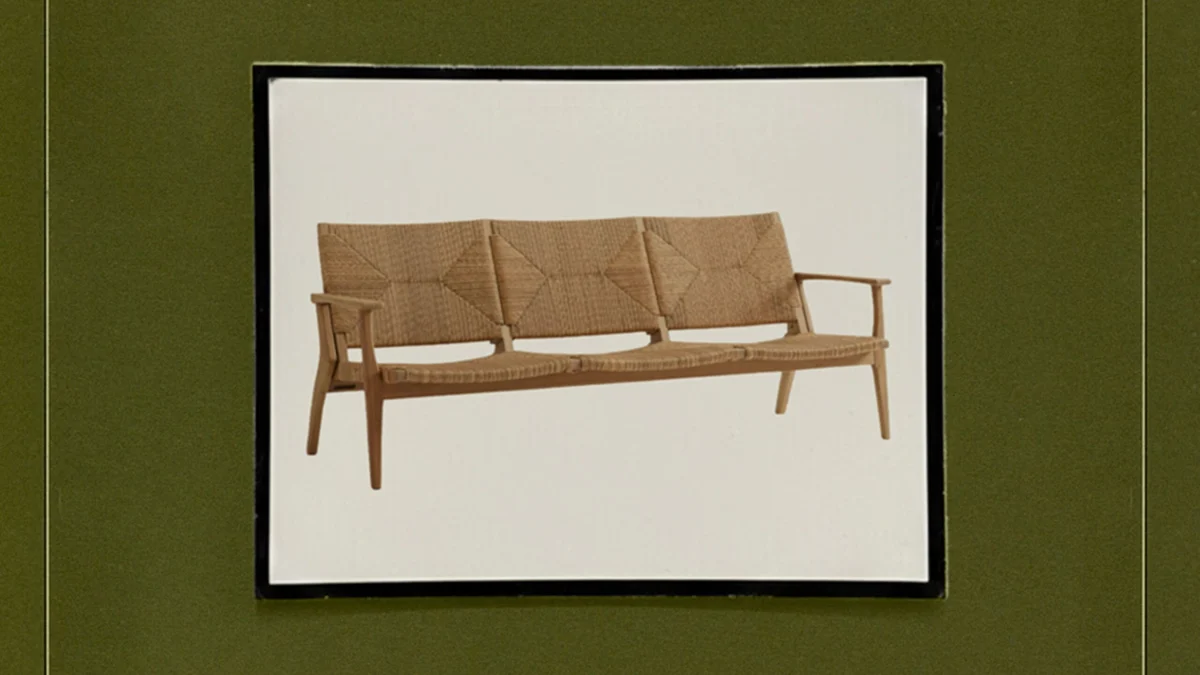
The luxury outdoor furniture market has seen a significant shift toward materials that balance high-end aesthetic appeal with the rugged durability required to withstand increasingly volatile weather patterns. Leading this trend is the Arhaus Mustique Outdoor Sofa, a piece that blends midcentury design cues with modern material science. Priced at $3,100, with promotional pricing often dipping to $2,480, the Mustique represents a mid-to-high-tier investment in the "outdoor room" concept that has become a staple of contemporary residential architecture.
Arhaus, a retailer known for its commitment to sustainable sourcing and artisanal craftsmanship, has positioned the Mustique within a broader collection that emphasizes "nouveau cabana" styling. This design language evokes the 1950s Miami coastline, utilizing a minimalist teak frame and a complex woven wicker body. Unlike traditional outdoor sofas that rely on thick, moisture-retaining cushions, the Mustique employs a cushionless design that leverages the natural "give" of its woven components to provide comfort.
Material Composition and Sustainable Engineering
The primary structural integrity of the Mustique Outdoor Sofa is derived from high-quality teak. Teak (Tectona grandis) has long been the gold standard for maritime and outdoor applications due to its high oil content, high tensile strength, and tight grain. These natural properties make it exceptionally resistant to rot, fungal decay, and the warping effects of moisture. Arhaus emphasizes the use of sustainably harvested timber, aligning with a growing consumer demand for environmentally responsible luxury goods.

Complementing the teak frame is an all-weather wicker weave. Modern synthetic wicker, typically composed of High-Density Polyethylene (HDPE), is engineered to resist the primary catalysts of furniture degradation: ultraviolet (UV) radiation, extreme temperature fluctuations, and microbial growth. Arhaus specifies that their wicker is resistant to mildew, fading, sagging, and cracking—claims that are critical for furniture intended for use in high-humidity environments like the American South or the Atlantic coast.
A Chronology of Acquisition: From Order to Installation
The procurement process for high-end furniture often serves as a benchmark for brand reliability. For the Mustique Outdoor Sofa, the timeline from initial order to final placement typically spans approximately four weeks for in-stock items.
- Initial Order and Processing: Upon purchase, the item undergoes a quality check at a regional distribution center.
- Regional Transit (Weeks 1-2): The sofa is transported from the central warehouse to a local delivery hub. During this phase, logistics teams coordinate the "White Glove" service requirements.
- Local Scheduling (Week 3): The local hub contacts the consumer to establish a delivery window. Arhaus mandates white glove delivery for this model, a service priced at $349.
- Final Delivery and Assembly (Week 4): Professional installers transport the unit to its final location. Because the Mustique is delivered fully assembled, the onsite time is minimal, often involving only the removal of protective packaging and final positioning.
This timeline is notably efficient compared to custom-upholstered outdoor pieces, which can see lead times extending from 12 to 24 weeks depending on fabric availability and manufacturing backlogs.
Performance Under Environmental Stress
Field testing of the Mustique Outdoor Sofa reveals a high degree of resilience against severe weather. In documented observations during heavy summer storms, the sofa’s lack of traditional cushions proved to be a functional advantage. While upholstered furniture often requires 24 to 48 hours to dry completely after a "flood-level" rain event, the Mustique’s woven structure allows for rapid drainage and airflow.

Data indicates that the sofa becomes dry enough for use within four to five hours following a storm, reaching total dryness by the following day. This rapid recovery time is a significant metric for homeowners in climates prone to daily afternoon thunderstorms.
Over a three-month period of exposure to the elements, the teak frame begins to exhibit "silvering"—a natural oxidation process where the wood transitions from a warm honey-gold to a sophisticated silvery-gray. This is a purely aesthetic change and does not indicate a loss of structural integrity. For consumers who prefer the original color, periodic applications of teak oil or specialized wood cleaners can maintain the initial hue.
Design Analysis: The "Nouveau Cabana" Aesthetic
The "nouveau cabana" style identified by designers is a departure from the heavy, dark-stained rattan often associated with traditional patio sets. The Mustique features a low profile and a deep seat (30.5 inches), creating a silhouette that is more reminiscent of interior lounge furniture than typical garden benches.
Architectural experts suggest that the sofa is best suited for:

- Mid-Century Modern Homes: The clean lines and natural materials complement the "bringing the outdoors in" philosophy of 1950s and 60s architecture.
- Mediterranean and Coastal Estates: The light color palette and woven textures pair effectively with stucco, tile, and sand-adjacent environments.
- Large-Scale Patios: Measuring 82 inches in width, the sofa requires a significant footprint to avoid overcrowding the space. It is designed to function as a centerpiece rather than a peripheral seating option.
Economic and Market Context
The outdoor furniture market is projected to reach a valuation of over $25 billion by 2030, driven by the "premiumization" of residential backyards. Within this market, the Arhaus Mustique competes with offerings from Restoration Hardware (RH) and West Elm. However, its price point of approximately $3,100 places it in a competitive "sweet spot"—more accessible than ultra-luxury custom brands but significantly more durable than mass-market big-box retailers.
Arhaus offers financial flexibility through an in-house credit program, allowing for interest-free payments over a six-month period (approximately $516 per month). This financing model is a strategic move to lower the barrier to entry for younger homeowners who are increasingly investing in durable, long-term furniture rather than "fast furniture" alternatives.
Maintenance, Care, and Longevity
Despite its high durability ratings, the Mustique requires a consistent maintenance schedule to maximize its lifespan. Arhaus provides specific guidelines for the care of teak and synthetic wicker:
- Weekly Maintenance: Dusting with a soft-bristled brush to prevent the buildup of pollen and environmental debris.
- Spot Cleaning: Using a standard garden hose and mild soap for liquid spills. The non-porous nature of the HDPE wicker ensures that most spills dry without leaving permanent stains.
- Seasonal Protection: While the sofa is weather-resistant, the manufacturer recommends the use of fitted covers (sold separately) during the winter months or during extended periods of non-use.
- Professional Support: Arhaus offers a protection plan that includes on-site technician visits. This service is particularly valuable for addressing minor finish issues or structural adjustments over time.
Comparative Ratings and Expert Evaluation
Based on technical specifications and user experience data, the Mustique Outdoor Sofa receives the following evaluations:

- Durability (Grade: A): The combination of teak and HDPE wicker represents the pinnacle of current outdoor material science. The absence of cushions eliminates the most common point of failure (mold and fabric rot).
- Comfort (Grade: B+): While the lack of cushions may seem counterintuitive for a lounge piece, the ergonomics of the woven seat provide sufficient support and flexibility.
- Value (Grade: B): At over $3,000 (including delivery), the sofa is a significant investment. Its value is realized through longevity rather than initial cost savings.
- Logistics (Grade: A): The white-glove delivery model ensures the product arrives undamaged and is placed correctly, removing the burden of assembly from the consumer.
- Style (Grade: A): The design is distinct enough to serve as a statement piece while remaining neutral enough to integrate into various architectural styles.
Broader Implications for the Furniture Industry
The success of cushionless, high-durability pieces like the Mustique suggests a shift in consumer priorities. As climate change leads to more extreme weather events, the "low-maintenance luxury" category is likely to expand. Consumers are increasingly willing to trade the plushness of deep-foam cushions for the reliability of materials that can survive a storm without intervention.
Furthermore, the emphasis on sustainable teak and recyclable HDPE highlights a move toward a circular economy in furniture manufacturing. By producing pieces that last decades rather than years, brands like Arhaus are addressing the environmental impact of furniture waste.
The Arhaus Mustique Outdoor Sofa stands as a representative example of modern outdoor living: it is a product of global design influences, advanced material engineering, and a logistical framework designed to meet the expectations of a high-end clientele. Its ability to maintain a "sleek" appearance while enduring "flood-level" conditions marks a significant achievement in the evolution of domestic outdoor spaces.
