

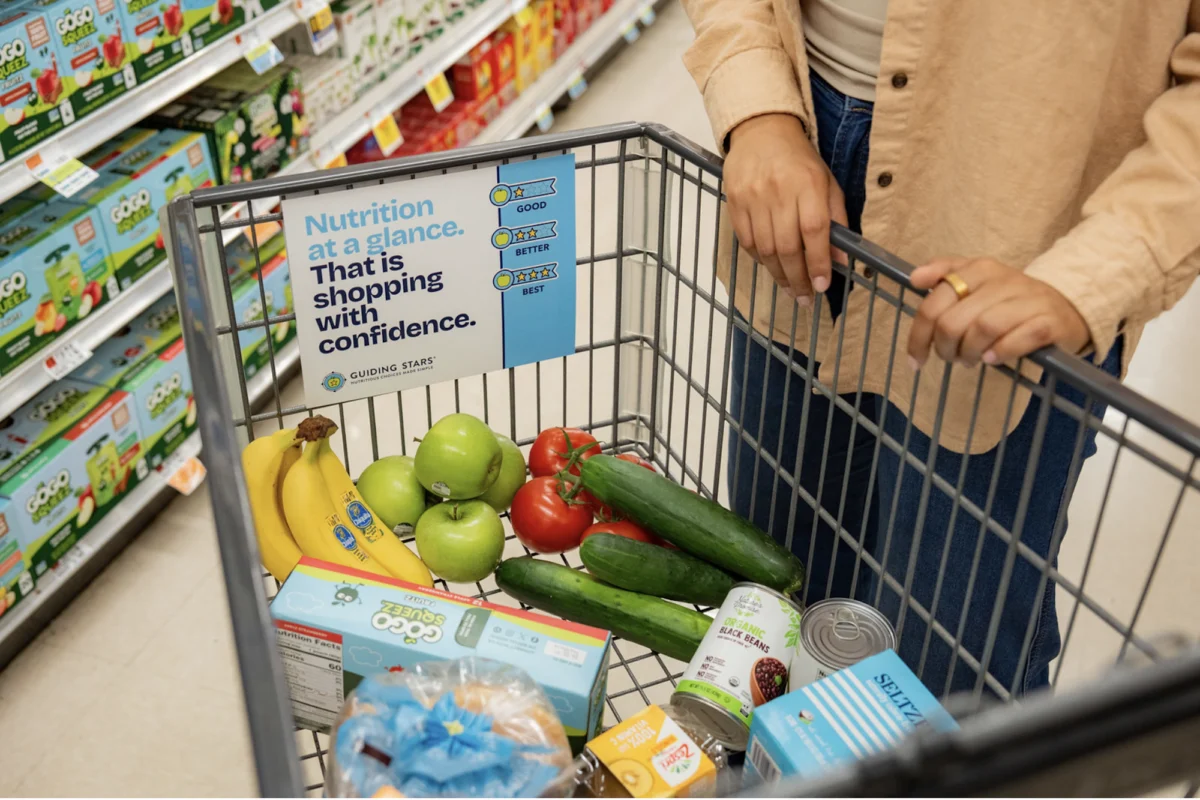
As the academic year commences across the United States, millions of caregivers are facing the perennial challenge of balancing convenience, cost, and health in their children’s diets. With nutrition science frequently evolving and digital platforms saturated with conflicting advice, the task of preparing or selecting school lunches has become a source of significant stress. However, the integration of evidence-based tools, such as the Guiding Stars nutrition guidance program, into more than 2,000 grocery stores nationwide is aiming to simplify these decisions. By leveraging patented algorithms to rate the nutrient density of tens of thousands of products, these systems are bridging the gap between complex dietary guidelines and the fast-paced reality of modern parenting.
The debate over whether to "buy or bring" school lunch has been further complicated by recent data suggesting a shift in nutritional quality. While many parents assume home-packed meals are inherently healthier, a 2024 meta-analysis published in Advances in Nutrition revealed that school-provided meals often exceed the nutritional quality of lunches brought from home. This shift is largely attributed to the rigorous federal standards governing the National School Lunch Program (NSLP), which serves approximately 22 million students daily. As families navigate these choices, the availability of clear, on-shelf guidance is proving essential for those who choose to supplement school offerings with home-prepared options.
The Evolution of the National School Lunch Program
To understand the current landscape of school nutrition, it is necessary to examine the legislative framework that governs American cafeterias. The National School Lunch Program was established in 1946 under the National School Lunch Act, signed by President Harry Truman. Originally conceived as a measure of national security to ensure that recruits were physically fit for service, the program has evolved into one of the largest components of the U.S. social safety net.
In 2010, the Healthy, Hunger-Free Kids Act marked a turning point, granting the U.S. Department of Agriculture (USDA) the authority to set updated nutritional standards for all foods sold in schools. These standards were designed to align with the Dietary Guidelines for Americans, emphasizing increased servings of fruits, vegetables, and whole grains while strictly limiting trans fats and sodium.
In 2024, the USDA announced further updates to these standards, which are being phased in over several years. These updates specifically target added sugars—a first for the program—and implement gradual reductions in sodium levels. For families who rely on school meals, these regulations provide a level of nutritional consistency that is difficult to replicate at home without significant effort and expertise. Currently, nine U.S. states—including California, Maine, and Minnesota—have moved beyond federal requirements to offer universal free meals to all students, regardless of income, recognizing nutrition as a fundamental pillar of the educational environment.
The Science of Choice Architecture in Retail
While the NSLP manages nutrition within school walls, the Guiding Stars program addresses the challenges of the grocery aisle. Launched in 2006, Guiding Stars was the first on-shelf nutrition labeling system of its kind in the United States. The program was developed to address "choice architecture"—the way in which the presentation of options influences consumer decision-making.
The Guiding Stars system utilizes a patented algorithm that evaluates food products based on a "credits and debits" model. Products earn points for health-promoting attributes, such as vitamins, minerals, dietary fiber, whole grains, and Omega-3 fatty acids. Conversely, points are deducted for components that health organizations recommend limiting, such as added sugars, saturated fats, trans fats, and certain artificial additives.
The resulting scores are translated into a simple visual icon: one, two, or three stars. One star indicates "good" nutritional value, two stars indicate "better," and three stars signify the "best" nutritional density. Because the system is overseen by an independent scientific advisory panel, it remains insulated from the marketing pressures of food manufacturers. This transparency is critical at a time when "health washing"—the use of misleading marketing terms like "all-natural" or "multigrain"—is prevalent in the food industry.
Data and Consumer Impact
Research indicates that simplified labeling systems have a measurable impact on public health. Studies conducted in both the United States and Canada have shown that when retailers implement star-based systems, there is a statistically significant shift in purchasing patterns toward higher-rated items. This "nudge" effect allows consumers to make healthier choices in seconds, rather than spending minutes deconstructing complex nutrition facts panels.
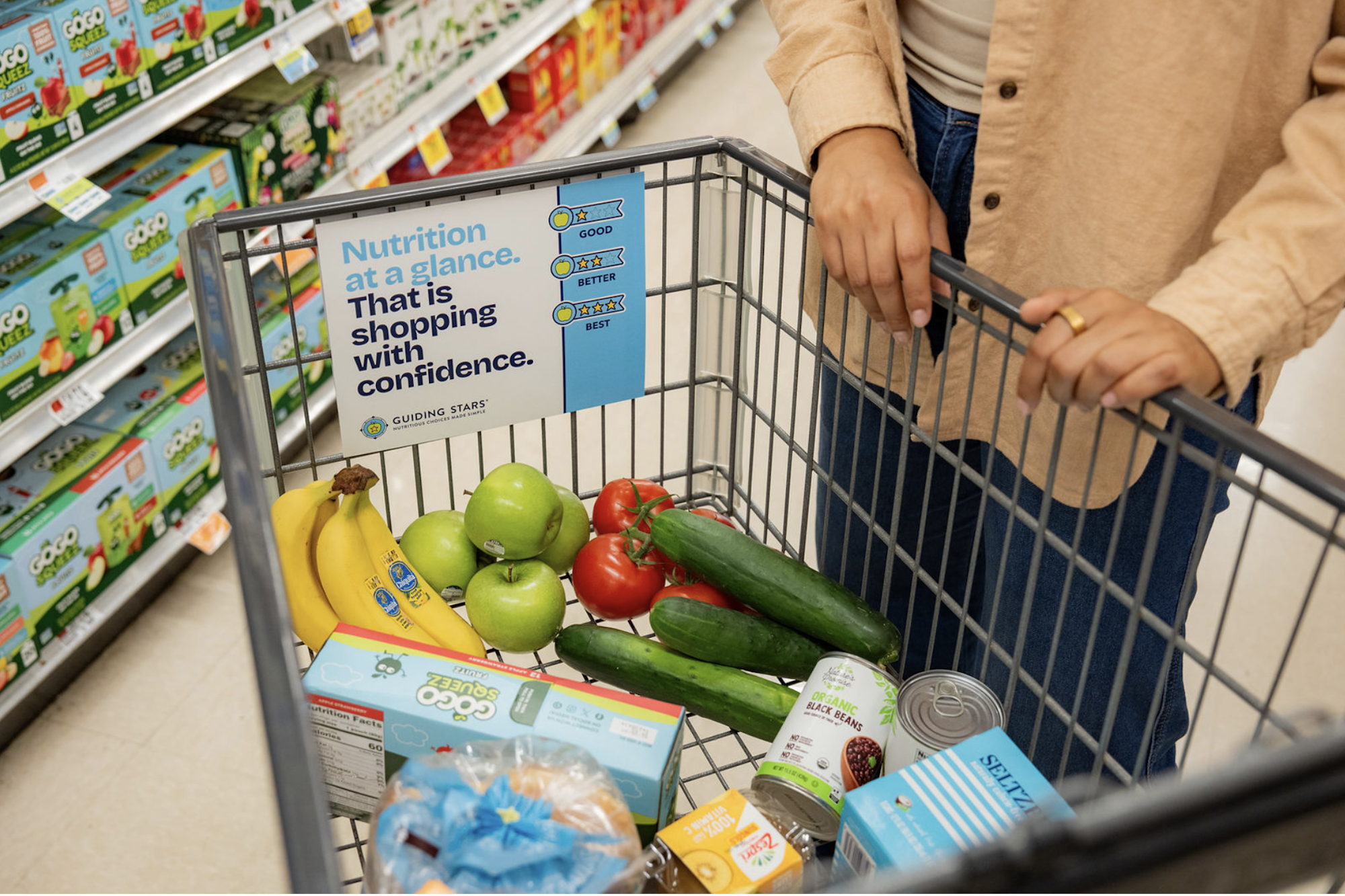
The economic implications are also noteworthy. With food inflation impacting household budgets, caregivers are increasingly looking for value. Programs like Guiding Stars often highlight that nutritious options are available across various price points, including store brands (private labels), which frequently earn high ratings despite their lower cost compared to national brands.
For families dealing with food insecurity, the intersection of the NSLP and informed grocery shopping is vital. According to USDA data, more than 12% of U.S. households experienced food insecurity at some point in 2023. In these environments, ensuring that every dollar spent on groceries provides the maximum nutritional return is not just a matter of preference, but a necessity for childhood development.
Expert Perspectives on Childhood Autonomy
Dietitians and child development experts emphasize that nutrition is about more than just the delivery of calories; it is about building a lifelong relationship with food. Kitty Broihier, a registered dietitian and member of the Guiding Stars Scientific Advisory Panel, suggests that the "buy or bring" dilemma can be a tool for education.
"Ultimately, the decision about whether to bring lunch or eat the school lunch is a family decision," Broihier notes. She advocates for involving children in the process, such as reviewing the school menu together and allowing them to choose which days they would prefer the school meal. This autonomy is backed by research: a 2018 literature review published in the Journal of School Nursing found that children who participate in meal preparation and selection are more likely to consume fruits and vegetables and report higher "cooking self-efficacy."
By using tools like the Guiding Stars app or on-shelf tags, parents can turn a routine grocery trip into a practical lesson in nutrition. When a child sees why one cereal earns three stars while another earns none, they begin to internalize the principles of nutrient density, reducing the "overwhelming" nature of dietary choices that many adults feel today.
Chronology of Nutrition Labeling and School Meal Policy
The progress of American nutritional guidance can be mapped through several key milestones over the last two decades:
- 2004: The Child Nutrition and WIC Reauthorization Act requires school districts to establish local wellness policies.
- 2006: The Guiding Stars program is launched in Hannaford Supermarkets, marking the start of the on-shelf rating era.
- 2010: The Healthy, Hunger-Free Kids Act is passed, significantly raising the nutritional bar for school lunches.
- 2016: The FDA announces the first major overhaul of the Nutrition Facts Label in 20 years, including the mandatory listing of "Added Sugars."
- 2020-2022: The COVID-19 pandemic prompts federal waivers for universal free school meals, leading to several states adopting permanent universal meal programs.
- 2024: The USDA finalizes new standards to further reduce sodium and added sugars in school meals through 2027.
- 2026: Guiding Stars will celebrate its 20th anniversary, reflecting two decades of algorithm refinement based on evolving dietary science.
Implications for Public Health and the Future
The integration of science-backed guidance into the retail environment represents a shift in responsibility. Traditionally, the burden of nutritional literacy was placed entirely on the consumer. However, as the link between diet and chronic diseases—such as type 2 diabetes and hypertension—becomes clearer, there is a growing movement toward "food as medicine."
Retailers that adopt systems like Guiding Stars are increasingly viewed not just as vendors, but as partners in public health. This trend is expected to grow as digital integration increases. Future iterations of nutrition guidance are likely to include personalized AI-driven recommendations that factor in specific dietary restrictions or allergies, all while maintaining the evidence-based rigor of the current star systems.
For the modern caregiver, the goal is rarely perfection, but rather the reduction of "decision fatigue." As Broihier aptly concludes, it is possible to eat well without an exhausting expenditure of mental energy. By relying on the established standards of the National School Lunch Program and the transparent ratings of on-shelf guidance systems, families can ensure that their children are fueled for success, both in and out of the classroom. The transition from confusion to clarity in the grocery aisle is not just a convenience—it is a critical component of a healthier future for the next generation of Americans.
