

In a landmark development for the European and African carbon markets, Berlin-based carbon credit procurement platform Senken has finalized a multi-year offtake agreement with Carbonsate, a specialist in biomass-based carbon dioxide removal (CDR). The deal encompasses the permanent removal of 50,000 tons of carbon dioxide through biomass geological storage, representing the largest agreement of its kind ever signed in Europe. Furthermore, the partnership marks the second-largest buyer commitment globally within the biomass burial category and the single largest project of its type currently operating on the African continent.
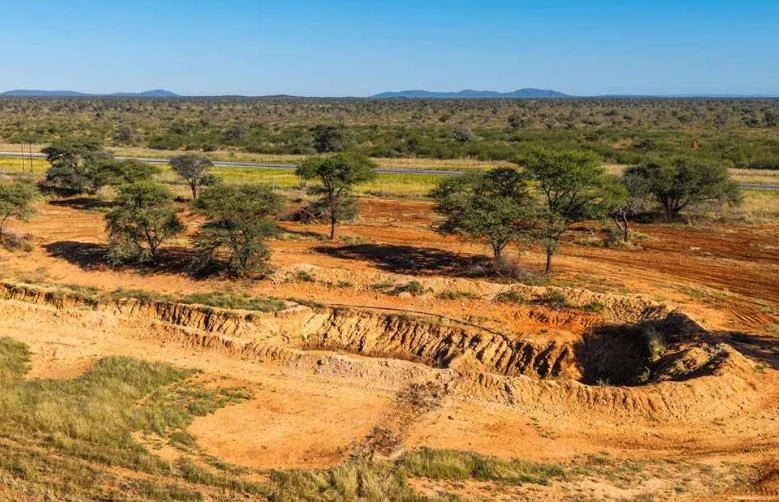
Under the terms of the agreement, Carbonsate will utilize its proprietary technology to sequester carbon in engineered underground chambers located in Namibia. The project is designed to deliver high-integrity, permanent carbon removal by preventing the decomposition of waste wood, thereby locking carbon away for centuries. Deliveries of the carbon removal units are scheduled to commence in late 2024 and will continue through 2028, providing a steady stream of high-quality credits to Senken’s roster of corporate clients.
The Mechanics of Biomass Geological Storage
Biomass Carbon Removal and Storage (BiCRS), often referred to as biomass burial or wood harvesting and storage (WHS), is gaining significant traction as a cost-effective alternative to more energy-intensive technologies like Direct Air Capture (DAC). The fundamental principle of the technology relies on the natural ability of trees and plants to capture CO2 from the atmosphere through photosynthesis. While trees are efficient carbon sinks during their lifespan, the carbon they store is typically released back into the atmosphere when the wood decays or is burned.
Carbonsate’s methodology interrupts this natural carbon cycle. By sourcing waste wood—often from forestry residues or invasive plant species that would otherwise decompose—and interring it in specially engineered, anaerobic (oxygen-free) underground storage sites, the company prevents the biological processes of rot and combustion. These sites are designed to maintain stable conditions that inhibit the fungi and bacteria responsible for wood decay.
According to technical specifications provided by the companies, this method offers a "permanence" profile of several centuries, meeting the rigorous requirements of corporate net-zero strategies. A critical advantage of biomass burial is its efficiency; because the "capture" phase is performed naturally by the biomass itself, the process requires significantly less electricity and infrastructure than chemical-based DAC systems. This allows project developers to offer permanent removals at a price point that is more accessible for large-scale corporate procurement.
Strategic Significance for the African Carbon Market
The location of the storage sites in Namibia is a strategic choice that highlights the growing importance of the Global South in the carbon removal ecosystem. Namibia faces significant ecological challenges from "encroacher bush," an invasive woody biomass that threatens biodiversity and reduces the productivity of rangelands. By utilizing this invasive biomass for carbon storage, Carbonsate’s project provides a dual benefit: environmental restoration of the Namibian landscape and the generation of high-value carbon credits.
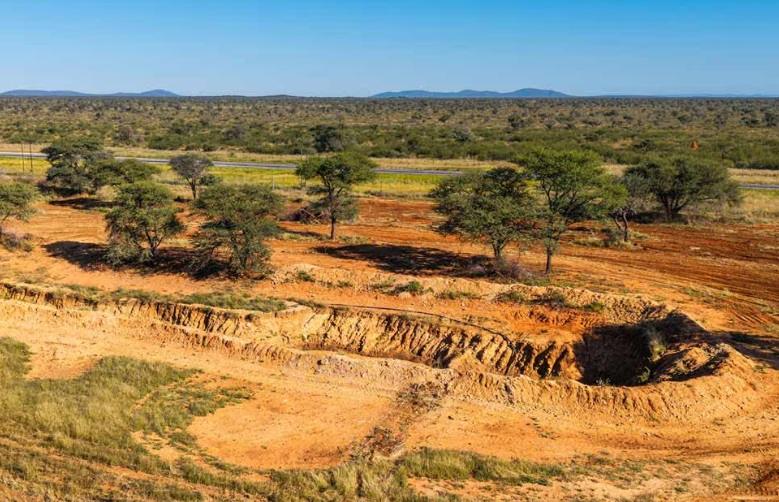
This agreement is a significant milestone for Africa’s participation in the voluntary carbon market (VCM). Historically, many African carbon projects focused on "avoidance" credits, such as protecting existing forests. However, as global standards shift toward "removal" credits to meet the "Net" in Net Zero, projects like the Namibia burial site position the region as a hub for industrial-scale CDR. The deal provides essential foreign investment into the Namibian green economy and creates a blueprint for how biomass-rich nations can monetize their natural resources while contributing to global climate goals.
Verification and the Puro.earth Standard
In an era where the integrity of carbon credits is under intense scrutiny, the Senken-Carbonsate deal emphasizes rigorous Monitoring, Reporting, and Verification (MRV). The project is independently verified under the Puro.earth standard, the world’s leading certification framework for engineered carbon removal. Puro.earth, which is majority-owned by Nasdaq, provides a transparent methodology for quantifying the net carbon sequestered after accounting for all operational emissions, including transport and burial.
Carbonsate has also implemented a proprietary MRV system that tracks every ton of biomass from its point of origin to its final burial site. This "cradle-to-grave" digital tracking ensures that the credits are not double-counted and that the storage remains secure over time. For Senken, which operates as a procurement platform for some of Europe’s largest corporations, this level of transparency is non-negotiable.
Senken’s Role in Solving the Supply-Demand Gap
Founded in 2022, Senken has quickly established itself as a critical intermediary in the carbon markets. The company’s platform is designed to help corporate sustainability officers navigate the complexities of CDR procurement. Central to its offering is the Sustainability Integrity Index (SII), a vetting mechanism that evaluates carbon projects against more than 600 data points.
The company’s rigorous selection process is evidenced by its rejection rate; Senken reportedly turns away approximately 95% of the projects that apply to be listed on its platform. By securing 50,000 tons of Carbonsate’s capacity, Senken is effectively "pre-ordering" high-demand inventory for its clients, which include major German and European firms such as Deutsche Telekom, Vodafone, and DZ Bank.
Adrian Wons, CEO of Senken, highlighted the urgency of the deal in the context of a tightening market. "Demand for permanent carbon removal is already outrunning supply," Wons stated. "Corporate net-zero targets all point to the same small pool of verified capacity. That gap will define the market for the next decade. We committed for multiple years to secure access for European buyers to credible removal at prices they can plan with."
Wons’ assessment reflects a broader trend in the VCM. As the 2030 and 2050 climate deadlines approach, the "low-hanging fruit" of carbon avoidance is no longer sufficient for many ESG-conscious investors and regulators. There is a growing consensus that permanent removals—those that lock carbon away for 100 years or more—are the only way to credibly neutralize residual emissions.

Industrial and Economic Implications
The offtake agreement provides Carbonsate with the financial certainty required to scale its operations. In the capital-intensive world of CDR, multi-year contracts act as "bankable" assets that allow developers to secure further financing for infrastructure, machinery, and labor.
Johanna Broell, Co-founder and CEO of Carbonsate, emphasized this point: "Long-term commitments like this one give project developers the certainty to build ahead of demand. This agreement supports the expansion of our Namibia storage sites and brings meaningful new supply of verified, high-integrity carbon removal to the market."
From a broader economic perspective, the deal illustrates the maturation of the CDR industry from a collection of pilot projects to a structured market with standardized contracts. The price of these credits, while not publicly disclosed in the announcement, is expected to be significantly lower than the current $600 to $1,000 per ton typically seen in the Direct Air Capture sector. If biomass burial can consistently deliver removals in the $100 to $300 range, it could become the dominant technology for corporate carbon portfolios over the next decade.
Challenges and Future Outlook
Despite the optimism surrounding the deal, the biomass burial sector faces its own set of challenges. Critics often raise questions regarding land use and the long-term ecological impact of removing large quantities of biomass from ecosystems. However, Carbonsate’s focus on waste wood and invasive species in Namibia is designed to mitigate these concerns by ensuring that the biomass used is truly "additional" and not sourced from healthy, primary forests.
Furthermore, the permanence of underground storage must be monitored over decades. While the science of anaerobic preservation is well-understood—as evidenced by the discovery of ancient wooden artifacts in bogs—industrial-scale burial is still a relatively young field. The success of the Namibia project will be a test case for the scalability of the technology.
As the first deliveries begin this year, the global carbon community will be watching closely. The partnership between Senken and Carbonsate represents a shift toward more sophisticated, long-term climate strategies. It signals to other project developers that there is a deep and hungry market for high-quality removals, provided they can meet the rigorous standards of modern MRV and verification.
For the corporate world, the message is equally clear: the window to secure high-quality carbon removals at predictable prices is closing. As more companies transition from climate pledges to climate action, the competition for verified tons will only intensify. By locking in 50,000 tons, Senken has positioned itself and its clients at the forefront of the next generation of the environmental economy, bridging the gap between European capital and African ecological innovation.
