

The consumer electronics landscape in 2025 has reached a critical inflection point where the definition of a "budget" laptop is being fundamentally rewritten by advancements in silicon efficiency and the aggressive integration of artificial intelligence. As hardware manufacturers navigate a complex global supply chain marked by fluctuating component costs and a persistent memory shortage, the distinction between entry-level and mid-range devices has blurred. This analysis examines the current state of the budget laptop market, evaluating top-tier recommendations against the backdrop of shifting industry standards and consumer expectations. In an era where "cheap" no longer necessitates "substandard," identifying the optimal balance of price and performance requires a granular understanding of the technical compromises inherent in the sub-$1,000 price bracket.
The Evolution of the Budget Laptop Market: A Five-Year Chronology
To understand the current market, one must observe the trajectory of mobile computing since 2020. The early part of the decade was defined by a surge in demand for remote work and education tools, leading to a proliferation of low-quality, high-margin devices that prioritized availability over longevity. By 2022, the market experienced a correction as supply chains stabilized, leading to the "Chromebook boom" where Google-centric devices dominated the sub-$400 category.
In 2024, the introduction of the Snapdragon X series processors and the emergence of "Copilot+ PCs" shifted the baseline for performance. For the first time, budget-friendly Windows laptops began to rival the battery life and efficiency of more expensive ARM-based alternatives. Entering 2025, the industry has seen the "16GB RAM Standard" take hold, largely driven by the hardware requirements of local AI processing. This chronology illustrates a shift from "minimum viable products" to sophisticated machines that, while affordable, offer professional-grade features such as OLED displays and high-refresh-rate panels.
Gaming Performance and the Value Proposition
The gaming sector remains one of the most challenging areas for budget-conscious consumers. The Lenovo LOQ 15 stands as a primary example of this sector’s volatility. Currently priced at approximately $1,400, though frequently seen on sale for closer to $900, the device features an NVIDIA GeForce RTX 5060 GPU. This specific model highlights a significant trend in 2025: the prioritization of display quality alongside raw power. Unlike previous generations of budget gaming laptops that utilized dim, color-inaccurate panels to save costs, the LOQ 15 utilizes a solid IPS panel that balances a fast refresh rate with superior image clarity.
However, the pursuit of affordability often leads to engineering compromises. The Acer Nitro V 16, a competitor in the $900 price range, illustrates a critical technical pitfall: power delivery. Despite its capable internal components, the inclusion of a 135-watt power adapter has proven insufficient for sustained high-intensity gaming. Data from stress tests on titles like Cyberpunk 2077 and Black Myth: Wukong indicate that the laptop can experience battery drain even while connected to a wall outlet if operated in "Turbo" or "Performance" modes. This power-to-draw imbalance suggests that while internal specifications may look impressive on a spec sheet, the external peripherals and thermal management systems are where manufacturers are currently cutting costs.

The Chromebook Plus Initiative and the Sub-$500 Segment
For users with a budget strictly under $500, the market has shifted toward the "Chromebook Plus" designation. This initiative, spearheaded by Google, mandates a minimum set of hardware specifications—including faster processors, 1080p webcams, and improved displays—to ensure a consistent user experience.
The Acer Chromebook Plus 516, priced at $479, serves as a benchmark for this category. Market analysis suggests that the success of this device is not merely due to its processor, but its focus on haptic interfaces. The touchpad, a component frequently neglected in budget builds, features a smooth, low-friction surface that significantly reduces user fatigue. Similarly, the Lenovo Chromebook Duet Gen 9, priced at $379, targets the ultra-portable market. As an 11-inch detachable laptop, it bridges the gap between a tablet and a traditional workstation. With an average battery life of 10 hours, it reflects the 2025 industry standard for ARM-based efficiency in the education and casual-use sectors.
Technical Baselines: The 2025 Minimum Specifications
Industry analysts and hardware testers have established a set of "hard lines" for laptop purchases in 2025. These standards are designed to prevent the rapid obsolescence that plagued budget devices in previous years.
- Display Resolution: A minimum of 1920 x 1080 (FHD) is now non-negotiable. Lower resolutions, once common in the $200-$300 range, are now considered obsolete due to the requirements of modern web scaling and media streaming.
- Memory (RAM): While 8GB remains the absolute floor, the "Copilot+ PC" marketing push has made 16GB the recommended standard for Windows 11 users. This is necessitated by the background processes required for AI integration and modern multitasking.
- Storage: 128GB of UFS or SSD storage is the minimum requirement. The industry has largely moved away from slower eMMC storage in all but the most basic Chromebooks.
- Processor Architecture: Analysts strongly advise against Intel Celeron processors for Windows-based systems. Instead, the focus has shifted toward Intel Core i3/i5, AMD Ryzen 5, or the newer Snapdragon X Plus chips for entry-level performance.
Supporting Data: The Impact of the Global Memory Shortage
The pricing of budget laptops in 2025 continues to be influenced by the ongoing global memory shortage. Data indicates that the cost of LPDDR5X RAM has seen a 15-20% increase in year-over-year procurement costs for OEMs (Original Equipment Manufacturers). This has forced brands like Dell, HP, and Lenovo to make difficult choices: either increase the base price of their budget lines or revert to 8GB configurations while charging a premium for 16GB upgrades.
This shortage has also impacted the secondary market. Refurbished enterprise laptops from 2022 and 2023 have become increasingly popular as they often feature 16GB of RAM and robust build quality at a fraction of the cost of a new 2025 budget machine. This trend represents a significant shift in consumer behavior, where "longevity" is being prioritized over "newness."
Official Responses and Industry Sentiment
While individual manufacturers rarely comment on the specific shortcomings of their budget lines, their product roadmaps offer a clear response to market pressures. Lenovo’s expansion of the "LOQ" sub-brand indicates a strategic move to capture the "entry-level enthusiast" market without diluting the premium "Legion" brand. Meanwhile, Asus has leaned heavily into OLED technology, even in its Vivobook 14 line, as a way to differentiate itself in a crowded Windows market.

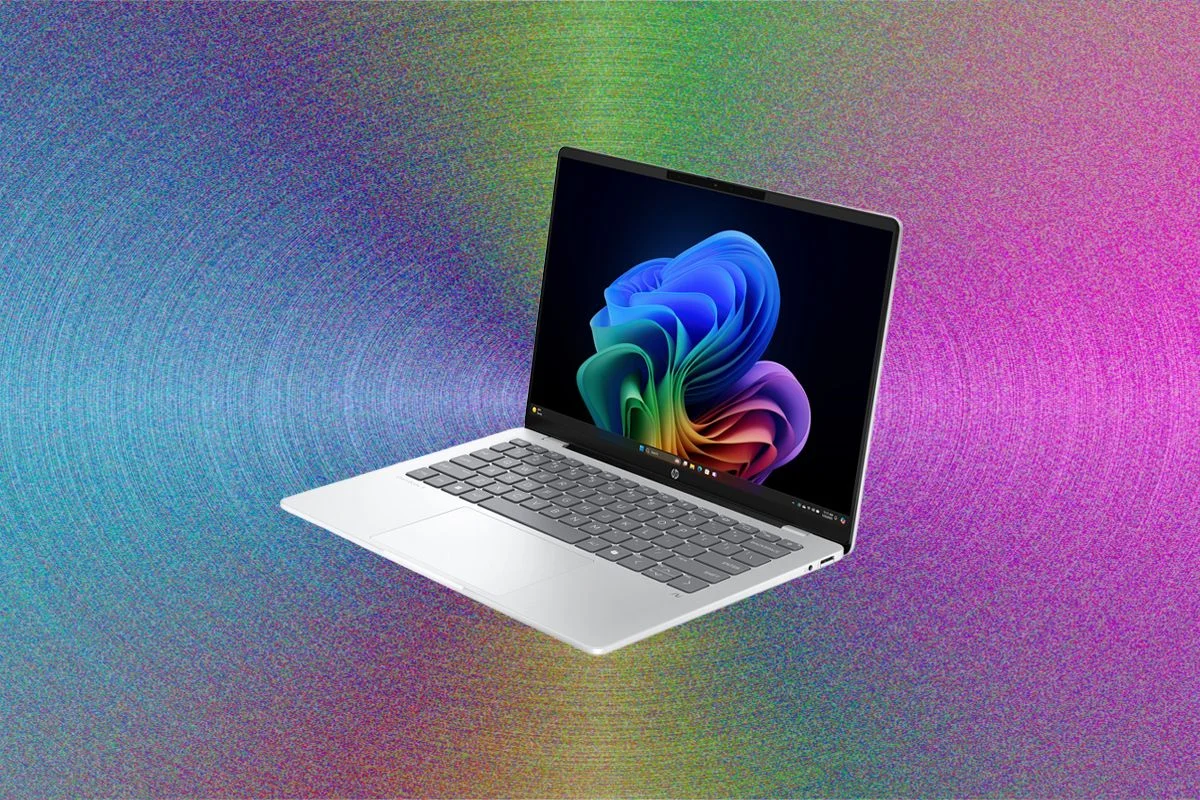
However, the transition has not been without friction. The "washed-out" displays of older budget models, such as those found on early Snapdragon-based Vivobooks, have faced criticism from both reviewers and consumers. In response, 2025 models from HP, such as the OmniBook 3 and OmniBook 5, have prioritized panel quality, utilizing high-contrast OLEDs to meet the visual standards set by smartphones and tablets.
Broader Implications and Future Outlook
The current state of budget computing suggests a permanent departure from the "disposable laptop" era. As software becomes more resource-intensive, particularly with the integration of Large Language Models (LLMs) and local AI assistants, the hardware floor will continue to rise.
For the consumer, this means that the "sweet spot" for value has moved from the $300-$500 range to the $600-$800 range. While Chromebooks still offer a viable path for those under $500, a functional, long-term Windows machine now requires a higher initial investment. The analysis of devices like the Lenovo IdeaPad 5i 2-in-1—a 16-inch machine that struggles with keyboard ergonomics and color accuracy—highlights that even at higher price points, compromises remain.
Ultimately, the 2025 budget laptop market is a testament to the rapid pace of technological democratization. High-quality touchpads, 10-hour battery lives, and capable GPUs are no longer exclusive to the "Pro" or "Air" tiers of the computing world. However, as the Acer Nitro V 16’s power issues demonstrate, consumers must remain vigilant, looking beyond headline specs to ensure that the "budget" price does not come at the cost of fundamental usability. The market is healthier than it was five years ago, but it requires a more informed buyer to navigate the subtle differences between a great value and a cheap compromise.
