

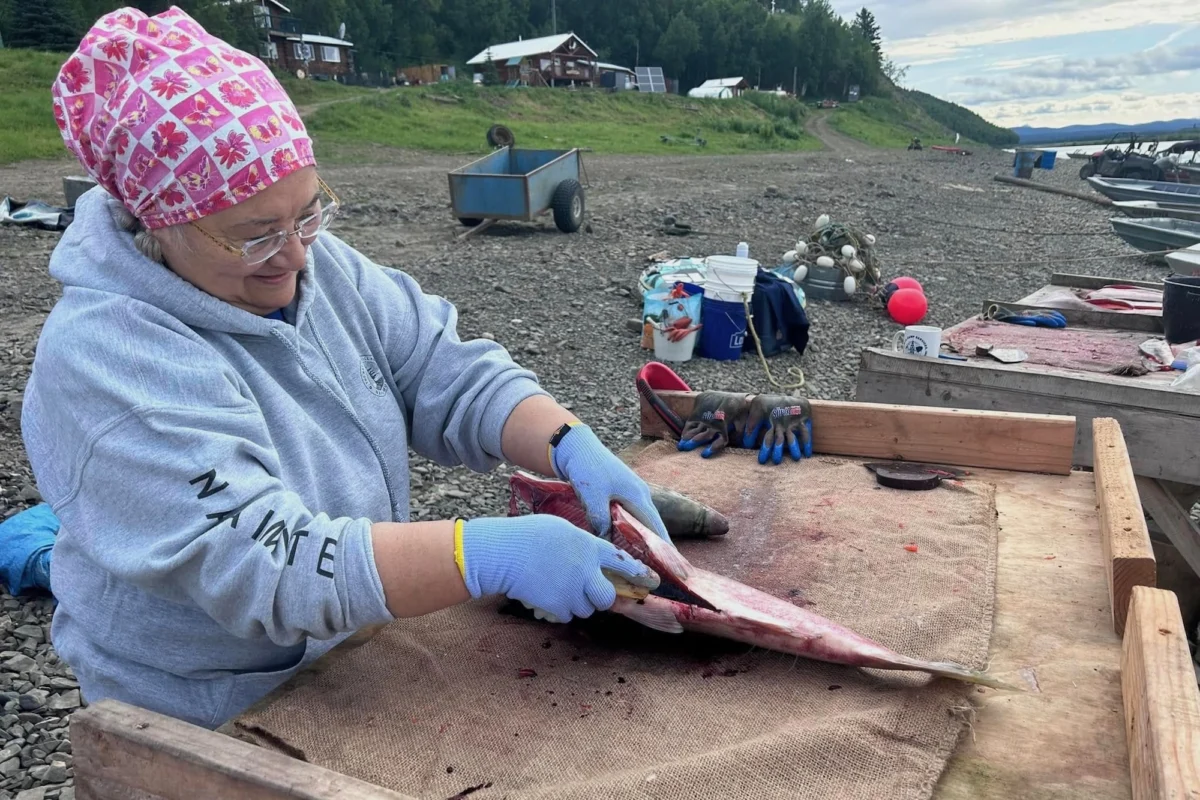
In the remote reaches of the Alaskan wilderness, where the infrastructure of the modern world often gives way to the raw power of nature, two Indigenous communities are leading a global shift in renewable energy. For decades, the villages of Igiugig and Napaimute have been tethered to an expensive, dangerous, and environmentally hazardous reliance on diesel fuel. Today, however, they are turning to the very rivers that have sustained their ancestors for millennia, utilizing cutting-edge hydrokinetic turbines to harness electricity from flowing water without the need for ecologically disruptive dams.
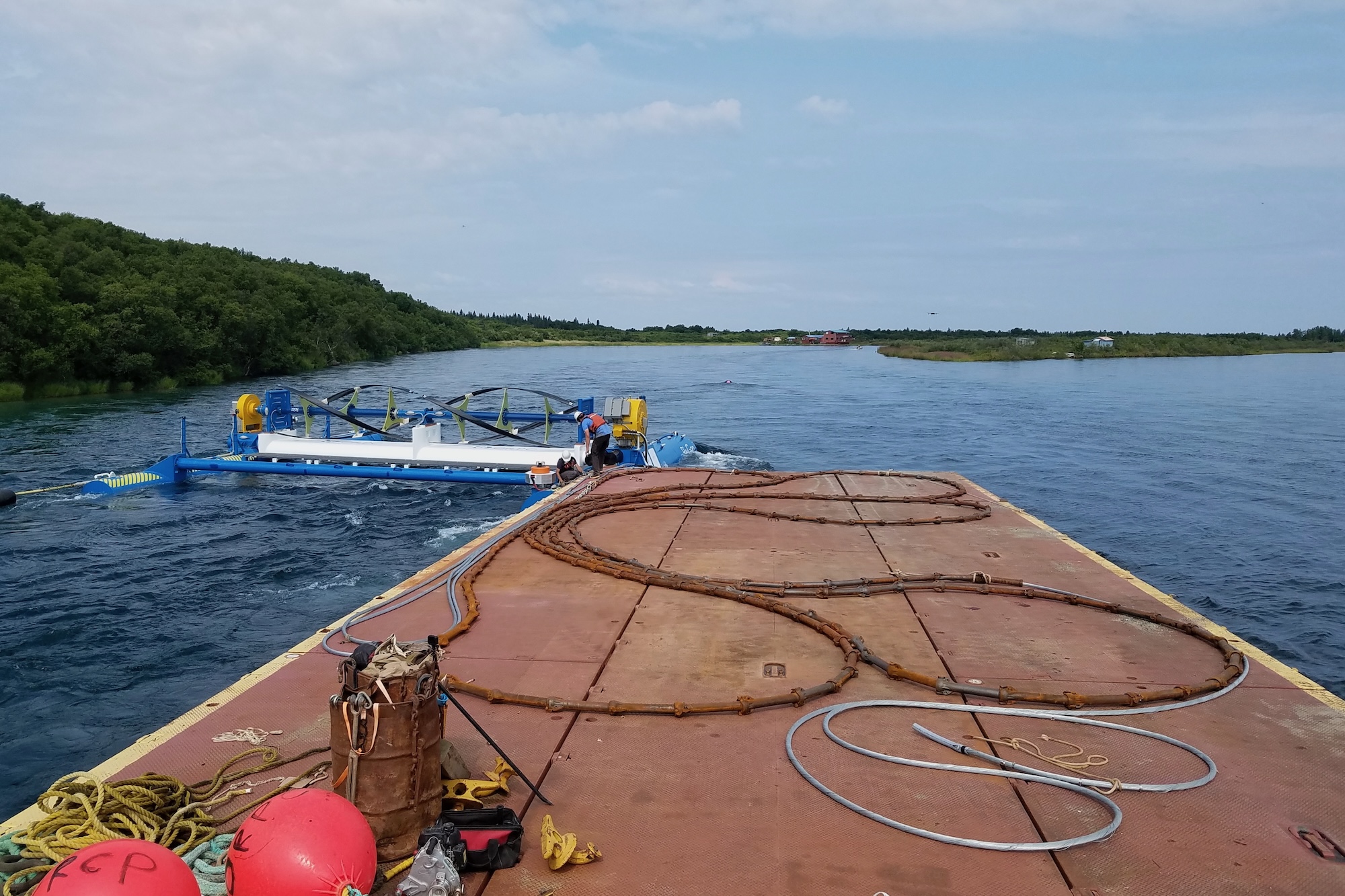
This summer, the village of Napaimute began testing a new turbine system in the Kuskokwim River, seeking to replicate the success of Igiugig, which has been drawing power from the Kvichak River since 2019. If successful, these projects could provide a blueprint for thousands of remote communities worldwide, proving that carbon-free energy can coexist with one of the world’s most sensitive ecosystems: the spawning grounds of the Pacific salmon.
The High Stakes of Energy in Rural Alaska
For most of the United States, electricity is a utility taken for granted. In rural Alaska, it is a matter of survival. Communities like Igiugig, located at the mouth of the Kvichak River near Lake Iliamna, are disconnected from any centralized power grid. Historically, this has necessitated the transport of diesel fuel via barges or, in more desperate circumstances, small aircraft.
The logistical challenges are immense. Fuel is often transported in 55-gallon drums or larger tanks on barges that must navigate shallow, shifting river channels. When water levels drop, the barges cannot pass, forcing the village to fly in fuel—a method that is not only prohibitively expensive but also carries a high risk of catastrophic accidents. In these regions, diesel is not just for light; it powers the industrial freezers that store the community’s annual supply of salmon and moose. A single missed delivery or a prolonged power outage can result in the loss of a year’s worth of food security.
The economic burden is equally staggering. While the average American pays approximately 16 cents per kilowatt-hour for electricity, residents in remote Alaska can face costs five to ten times higher. In Napaimute, diesel prices have reached as high as $10.50 per gallon. This "energy burden" has become a primary driver of rural-to-urban migration, as families find it increasingly unaffordable to remain in their ancestral homelands.
A Decades-Long Chronology of Innovation
The transition to river power did not happen overnight. It is the result of nearly two decades of persistent advocacy, trial, and error.
2007–2012: The Vision Takes Shape
The Igiugig Village Council recognized the potential of the Kvichak River’s consistent, powerful current. In 2007, they applied for a state grant to explore hydrokinetic energy. Unlike traditional hydropower, which requires dams to create a head of pressure, hydrokinetic technology uses the natural kinetic energy of the river’s flow to spin submerged turbines. By 2012, the village had secured the necessary funding to begin vetting technology partners.

2015: Testing and Resilience
Igiugig invited several companies to demonstrate their technology. The process was a lesson in the importance of local knowledge. One company’s design failed because it underestimated the river’s power, leaving the village to manage the debris. However, Ocean Renewable Power Company (ORPC) took a collaborative approach, working with the village to tailor their "RivGen" Power System to the specific conditions of the Kvichak.
2019–2023: Implementation and Expansion
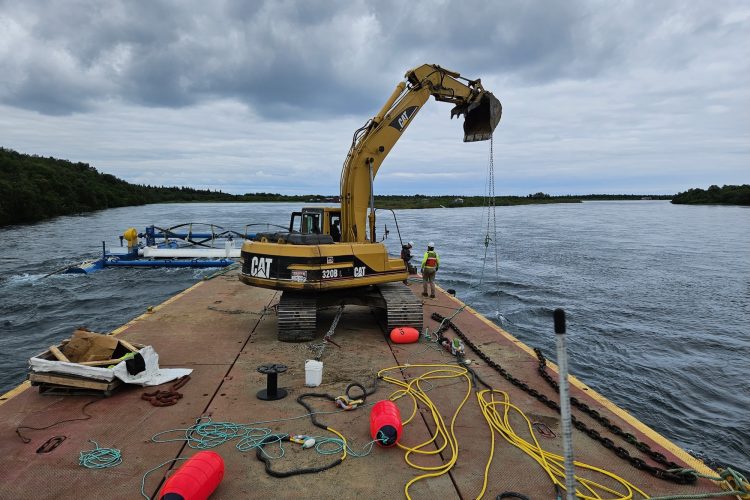
In 2019, Igiugig officially deployed its first RivGen turbine, becoming the first tribal community in the U.S. to integrate river energy into a local microgrid. The success of the first unit led to the installation of a second turbine in 2023. These units now work in tandem with a centralized battery storage system and solar arrays, significantly reducing the village’s diesel consumption.

2024 and Beyond: The Napaimute Pilot
Following Igiugig’s lead, the village of Napaimute launched its own pilot project this summer. Utilizing a different turbine design from BladeRunner Energy, the community is testing a smaller, more portable unit. This project aims to determine if a combination of solar and river power can push the village to 100 percent renewable energy during the peak summer months.
Technical Specifications and Environmental Safeguards
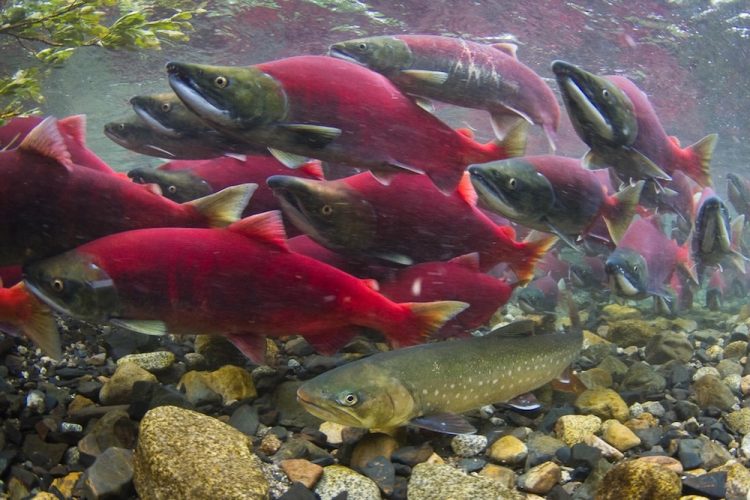
The primary concern for any river-based project in Alaska is the impact on salmon. The Kvichak and Kuskokwim rivers are part of the Bristol Bay watershed, home to the largest sockeye salmon runs on Earth. Salmon are the cultural and economic lifeblood of Alaska Native communities, and any technology that threatens their migration is a non-starter.

To address this, ORPC and the Igiugig community implemented a rigorous environmental monitoring program using underwater sonar and high-definition cameras. The data collected since 2019 has been encouraging. Researchers found that adult salmon, which typically swim in slower water near the riverbanks or bottom to conserve energy, naturally avoid the fast-moving center-channel currents where the turbines are placed.
For the young smolts migrating downstream, the turbines’ slow rotational speed and open-frame design allow the fish to pass through or around the blades without injury. Furthermore, acoustic studies revealed that the noise generated by the turbines is quieter than the natural sound of gravel tumbling along the riverbed, ensuring that the fish’s sensory navigation is not disrupted.

The turbines themselves are marvels of rugged engineering. They are designed to withstand "frazil ice"—slushy ice that forms in supercooled water—and the massive ice sheets that break up during the spring thaw. The RivGen system is a "run-of-river" technology, meaning it sits on the riverbed and requires no permanent changes to the waterway’s flow or ecology.
Economic and Social Impact Analysis
The shift to hydrokinetic energy is as much an economic strategy as it is an environmental one. In Napaimute, local officials estimate that the river turbine could save the village between $25,000 and $30,000 annually in fuel costs. For a small community, these savings can be reinvested into healthcare, education, and infrastructure.

Moreover, the projects have fostered a new sector of local expertise. Rather than relying on outside technicians, residents are trained to operate and maintain the systems. Jonathan Salmon, the Energy Director for the Igiugig Village Council, emphasizes that local involvement is critical. "The folks that are there know those waters much, much better than outsiders," Salmon noted. This local oversight ensures that the technology is handled with the respect and caution required when working in high-risk, fast-flowing environments.
However, challenges remain. The current regulatory framework for river turbines is largely experimental. Igiugig’s project operates under a 10-year pilot license from the Federal Energy Regulatory Commission (FERC). As that license nears its 2029 expiration, the village and its partners will have to navigate uncharted legal waters to secure permanent operational status.

Broader Implications for Global Renewable Energy
The success of these Alaskan villages is resonating far beyond the Arctic Circle. The "Alaskan Model"—characterized by community-led development and deep integration with local ecology—is being studied by energy experts worldwide.
ORPC is already expanding its footprint, with plans to install turbine devices in Montreal’s St. Lawrence River and the Niagara River between New York and Ontario. In Europe, similar technologies have been successfully deployed at World Heritage sites in Germany, providing power to hundreds of homes without altering the aesthetic or historical integrity of the waterways.

As the world seeks to decarbonize, the lessons from Igiugig and Napaimute suggest that the path forward may lie in "micro-solutions." While massive wind farms and solar deserts dominate the headlines, the future of energy for the world’s 1.3 billion people living in remote or off-grid areas may be found in the steady, predictable flow of their local rivers.
By combining traditional Indigenous knowledge with modern hydrokinetic engineering, these communities are doing more than just lowering their electricity bills; they are preserving a way of life. As Dan Gillikin, Environmental Director for the Native Village of Napaimute, aptly summarized: "Fish are so vital to all the communities out here. We want to be sure we’re not impacting the fisheries, but we also need to make it affordable for people to stay." Through the power of the river, they are achieving both.
