

The Evolution of the Samsung Galaxy Ecosystem and Accessory Demand
The launch of the Samsung Galaxy S26 series represents a significant milestone in the evolution of high-performance mobile computing. With its multi-lens camera arrays, high-refresh-rate AMOLED displays, and increasingly slim profiles, the hardware presents unique challenges for accessory designers. Protection is no longer a matter of simple shock absorption; it now requires precise cutouts for sophisticated sensors, heat dissipation management for powerful processors, and ergonomic considerations for devices that often exceed 6.5 inches in screen size.
Historically, the mobile accessory market was dominated by a few legacy brands. However, the current era is defined by a diverse array of competitors, including Spigen, Dbrand, Poetic, and OtterBox, each carving out niches based on price, durability, and modularity. The following analysis examines the leading contenders in the S26 accessory market, categorizing them by their technical specifications, real-world performance, and value proposition.
Entry-Level Utility: The Spigen Advantage
Spigen has maintained its position as a market leader by balancing affordability with consistent manufacturing standards. For the Galaxy S26, the Spigen Tough Armor and Nano Pop MagFit cases represent the brand’s dual approach to consumer needs.
The Spigen Tough Armor, priced at approximately $23, utilizes a dual-layer construction consisting of a thermoplastic polyurethane (TPU) body and a polycarbonate back. It incorporates Spigen’s proprietary Air Cushion Technology, which provides military-grade drop protection by creating small air pockets in the corners to absorb impact energy. While the case includes a built-in kickstand for media viewing, technical assessments indicate that the hinge mechanism remains a point of potential mechanical failure under heavy use.
In contrast, the Nano Pop MagFit, retailing for $20, focuses on a more streamlined aesthetic. This case is notable for its MagFit technology, which brings magnetic compatibility to the Android ecosystem, allowing Galaxy S26 users to utilize a wide range of magnetic chargers and wallets. Industry analysis suggests that while the silicone-feel coating provides a premium touch, it results in a lower coefficient of friction, making the device more prone to slipping from smooth surfaces compared to its more rugged counterparts.
Tactical Durability and High-Impact Protection
For users operating in demanding environments or those who prefer a "tactical" aesthetic, the Dbrand Tank Case and the Poetic series offer varying degrees of structural reinforcement.
The Dbrand Tank Case, positioned at a premium $60 price point, is engineered for maximum grip and durability. Dbrand has moved away from simple "skins" toward heavy-duty hardware that features swappable buttons and integrated camera covers. The case’s design is characterized by aggressive textures intended to prevent accidental drops. However, ergonomic feedback suggests that the high-friction surfaces may be overstimulating for some users, leading to a "heavy" hand-feel that makes the presence of the case constantly felt.
Poetic, a brand known for comprehensive 360-degree protection, has released a trio of options for the S26: the Spartan ($29), the Revolution ($26), and the Guardian ($25).

- The Revolution: Distinguished by its built-in camera privacy cover, this case protects the large S26 camera array from scratches and impacts while doubling as a privacy shield.
- The Guardian: This is the thinnest of the Poetic lineup, featuring a clear back to showcase the phone’s original color, reinforced by thick TPU bumpers.
- The Spartan: A heavy-duty option with a metal ring and rigid corners, designed for maximum shock displacement.
All three Poetic cases include a front frame with a built-in screen protector. While these provide excellent value, the multi-piece assembly adds significant bulk to the device’s footprint, a factor that must be weighed against the level of protection provided.
Aesthetic Transparency and Official Offerings
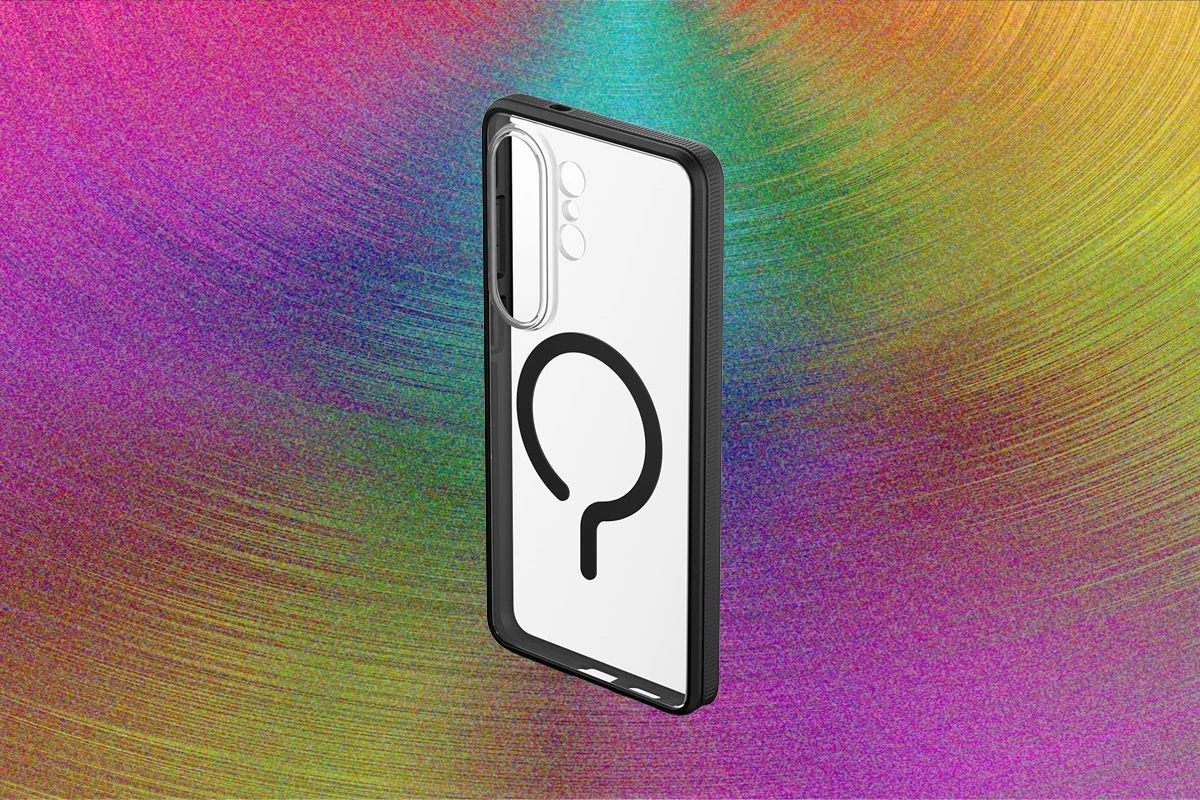
The clear case market remains a significant segment for users who wish to display the industrial design of the Galaxy S26. The OtterBox Profile Series, priced at $40, attempts to bridge the gap between transparency and the "MagSafe" style magnetic ecosystem. Technical reviews of the Profile Series highlight a common industry struggle: the visual integration of magnetic rings. On clear cases, the white or silver magnetic array can appear aesthetically jarring against the complex lens configuration of the S26. Furthermore, the stiffness of the button covers on the OtterBox Profile has been noted as a drawback, requiring more force to actuate the volume and power keys than the bare device.
Perhaps most controversial in the current market is the official Samsung Slim Magnet Case. Despite its $70 price tag, the case is constructed from a thin plastic shell. Market analysis reveals a growing trend of "OEM (Original Equipment Manufacturer) fatigue," where consumers find that official accessories offer less protection and lower-quality materials than third-party options costing a fraction of the price. The Slim Magnet Case’s lack of grip and minimal impact absorption makes it a difficult recommendation for users seeking genuine security for their hardware.
Display Integrity: The First Line of Defense
As screen replacement costs for flagship devices continue to rise, the screen protector market has evolved from plastic films to advanced tempered glass. The Spigen AluminaCore Screen Protector ($20 for a 2-pack) represents the current state of the art. These protectors utilize an installation frame to ensure precise alignment, a critical feature given the slim bezels of the S26.
Technical data indicates that while tempered glass offers superior scratch resistance (rated at 9H on the Mohs scale), the installation process remains susceptible to microscopic dust particles, which can cause air bubbles. Manufacturers have countered this by including "squeegee" tools and multiple units in a single package to account for installation errors.
A Chronology of Mobile Protection Innovation
To understand the current S26 accessory market, one must look at the timeline of mobile protection over the last decade:
- 2014-2016: The rise of "rugged" cases (e.g., OtterBox Defender) as phones became more fragile.
- 2017-2019: The shift toward "slim-tough" cases using advanced polymers like D3O.
- 2020-2022: The introduction of magnetic ecosystems (MagSafe) and the demand for cross-platform compatibility.
- 2023-Present: The integration of privacy features (camera covers) and modularity (swappable parts).
Market Analysis and Broader Implications
The proliferation of these accessories highlights a broader economic reality: the "accessory-to-device" price ratio is shifting. While a $20 case may seem insignificant compared to a $1,200 phone, the cumulative market for these peripherals is worth billions. Consumers are increasingly viewing their phone cases as a modular part of the device itself rather than a separate add-on.
Furthermore, the environmental impact of these accessories is becoming a point of discussion. Most cases are composed of non-biodegradable plastics and silicones. Brands that fail to innovate in terms of sustainable materials or long-term durability may face scrutiny as consumer preferences shift toward eco-friendly products.
In conclusion, the Samsung Galaxy S26 accessory market offers a solution for every type of user, but the best value is rarely found in the extremes. The "sweet spot" for most consumers lies in the $20 to $40 range, where brands like Spigen and Poetic offer a balance of engineering and economy. While official cases offer the prestige of the Samsung brand, third-party manufacturers currently lead the industry in terms of functional innovation and protective reliability. As the S26 series continues its lifecycle, these accessories will play a pivotal role in maintaining the resale value and functional longevity of the world’s most advanced mobile hardware.
