

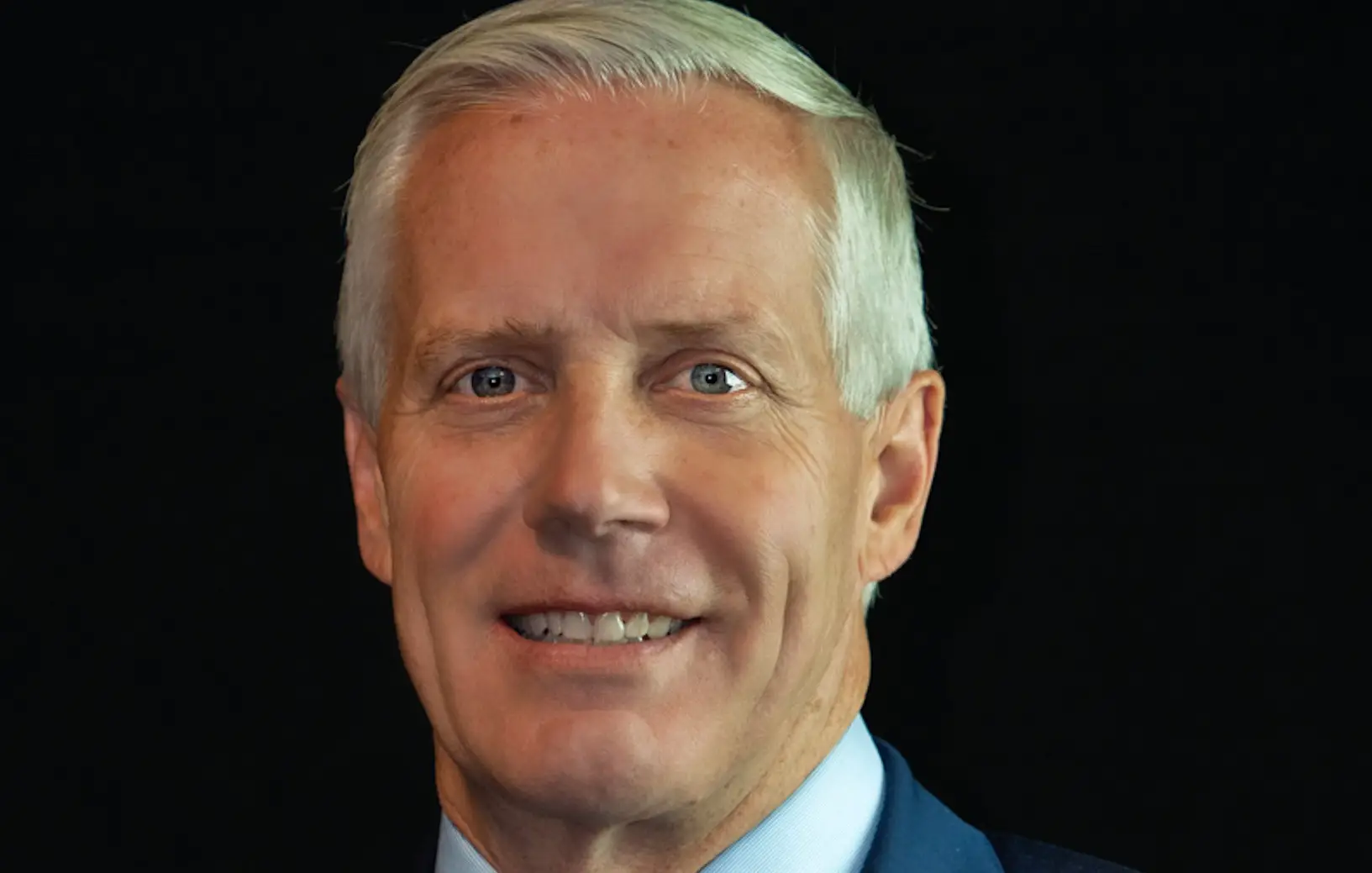
In the high-octane world of motorsports, where victory is the ultimate prize and defeat can be a bitter pill, the enduring success of Team Penske offers a compelling case study in resilience and continuous improvement. Bud Denker, president of Penske Corporation, shared his organization’s profound philosophy on confronting and learning from setbacks in a recent episode of the Corporate Competitor Podcast. This approach, deeply ingrained in the team’s ethos, goes beyond simply celebrating wins; it emphasizes the critical importance of dissecting every loss, extracting valuable lessons, and channeling that knowledge into future triumphs. With a history spanning six decades and boasting over 650 victories, Team Penske’s consistent performance underscores the power of a mindset that views every challenge, including defeat, as an opportunity for growth.
The Mathematics of Loss and Learning
Denker articulated a stark yet insightful statistical reality that underpins Team Penske’s strategic outlook. "We’ve raced in 6,600 races in 60 years. And we’ve won 660," he stated. "What’s the math? 10 percent. So, you learn a lot more by losing than you do winning 10 percent of the time." This simple arithmetic highlights a fundamental truth: in any endeavor with a high degree of competition, losses are statistically more frequent than victories. Instead of viewing this as a deficit, Team Penske embraces it as a rich source of data and insight. The 90 percent of races that don’t end in victory are not seen as failures, but as meticulously documented case studies. Each loss, from a narrow margin of defeat to a significant performance gap, provides a unique opportunity to identify weaknesses, refine strategies, and push the boundaries of innovation.
Navigating the Sting of Defeat: The 2026 Indy 500 Example
The emotional toll of defeat in elite competition can be immense. Denker alluded to a particularly poignant example: the 2026 Indianapolis 500. In what was described as the closest finish in the 115-year history of the iconic race, Team Penske narrowly missed victory by a mere 0.0233 seconds. Such a gut-wrenching loss, decided by the smallest of margins, could easily demoralize any team. However, Denker’s response reveals the team’s robust psychological framework. "It does suck," he admitted, acknowledging the natural human reaction to disappointment. "We go to the racetrack to win, we go into business to win… but I’d say the first thing is: Don’t overreact."
Instead of succumbing to immediate frustration or blame, the team’s protocol dictates a measured and analytical approach. "The emotion involved in losing can be very high. Instead, use the time to reflect on it, use the time to learn from it. Use the time with your team to understand what we could do better next," Denker advised. This deliberate pause for reflection is not about dwelling on what went wrong, but about dissecting the event with a forensic lens. It involves scrutinizing race data, driver feedback, pit stop execution, car performance under various conditions, and strategic decisions made throughout the race. The aim is to identify every variable, however minute, that contributed to the outcome. This disciplined process ensures that the emotional sting of defeat is transmuted into actionable intelligence, preventing a recurrence of the same issues and fostering a culture of continuous improvement.
The Broader Implications of a "Loss-Learning" Culture
The philosophy championed by Bud Denker extends far beyond the confines of the racetrack. In the corporate world, where competition is equally fierce and the stakes are often financial and reputational, the principles of learning from setbacks are paramount. Denker’s assertion that "you’re going to lose more than you’re going to win, and you’re going to learn a lot more from those losses in your world than if they were all wins" is a powerful reminder for any organization striving for sustained success.
A culture that punishes failure rather than learning from it stifles innovation and encourages risk aversion. Conversely, an environment that encourages open discussion about what went wrong, without fear of reprisal, fosters a more dynamic and adaptive organization. This is particularly relevant in rapidly evolving industries where traditional business models are constantly challenged. The ability to pivot, adapt, and innovate is directly linked to how effectively an organization can analyze its missteps and integrate those learnings into its future strategies. Team Penske’s approach suggests that embracing failure as an educational tool can be a significant competitive advantage.
Pillars of Enduring Success: Communication, Effort, and Storytelling
Denker further elaborated on several core tenets that contribute to Team Penske’s sustained excellence, highlighting that the pursuit of victory is built on a foundation of interconnected principles:
Communication: The Bedrock of Relationships
"More than anything, business is about people," Denker emphasized, underscoring the human element at the heart of any successful enterprise. He identified communication as the linchpin for building robust relationships, fostering trust, and cultivating confidence within a team. "In sports and business, it’s all in the communication—developing relationships, developing trust, developing confidence," he stated. This sentiment resonates deeply in any collaborative environment. Effective communication ensures that objectives are clear, feedback is constructive, and that team members feel valued and heard. For Team Penske, this means fostering open dialogue between drivers, engineers, mechanics, strategists, and management. It’s about creating an environment where every voice can contribute to the collective pursuit of excellence, and where any potential issues or concerns are addressed proactively. In a high-pressure environment like motorsports, where split-second decisions can have monumental consequences, clear and consistent communication is not just beneficial; it is essential for survival and success.
Effort Equals Results: The Power of Dedication
The mantra "Effort equals results" is a core principle inherited from Roger Penske’s father and deeply embedded within the team’s culture. Denker shared how this profound advice has been passed down, even manifesting in coins inscribed with "Effort = Results" given to his sons. This principle is a powerful motivator, emphasizing that success is not a matter of luck or innate talent alone, but a direct consequence of diligent work, focused dedication, and unwavering commitment. It encourages individuals to be fully present, to engage actively in every task, and to understand that their contributions, when coupled with consistent effort, directly contribute to the team’s overall performance. This philosophy transcends mere hard work; it speaks to the quality and intent of the effort invested. It means being fully immersed in the process, whether it’s a driver pushing the limits on the track, an engineer meticulously analyzing data, or a mechanic ensuring every component is in perfect order. The team’s consistent performance over decades is a testament to the power of this principle, demonstrating that a collective commitment to maximum effort yields tangible and enduring results.
The Significance of Storytelling in Strategic Planning
Denker introduced a unique and insightful approach to strategic planning: the power of storytelling. He described a personal anecdote where, while planning for the upcoming Freedom 250 Grand Prix, he took a walk around the National Mall to reflect. Instead of immediately diving into budgets and operational details, he chose to share his reflections and the "significance" of their endeavor with the team. "Before team meetings, instead of jumping into budgets or other dry matters, Bud shared his thoughts from those walks. He wanted to start with a story of significance," the article states. This practice of framing strategic discussions with a narrative, a story of purpose and impact, serves multiple crucial functions.
Firstly, it connects the team to a larger vision, reminding them of the meaning behind their work and the legacy they are building. By emphasizing their "fingerprint on something you will tell your grandkids," Denker aims to imbue the team with a sense of pride and historical significance. This emotional connection can be a powerful motivator, especially during challenging periods. Secondly, storytelling can make complex strategies more relatable and memorable. By framing objectives within a narrative, it helps team members understand the ‘why’ behind their tasks, fostering greater buy-in and commitment. This approach moves beyond simply dictating actions to inspiring a shared sense of purpose. In the context of racing, where the pursuit of victory is often framed in terms of competition and statistics, introducing elements of legacy and personal impact can foster a deeper level of engagement and dedication from every member of the organization. This method of starting with a story of significance ensures that the team’s strategic objectives are not just operational goals, but elements of a larger, meaningful pursuit.
Conclusion: A Blueprint for Resilience
Team Penske’s enduring success is not solely attributed to their formidable talent and resources, but to a deeply ingrained culture that embraces challenges as opportunities for growth. Bud Denker’s insights from the Corporate Competitor Podcast reveal a sophisticated understanding of human psychology and organizational dynamics. By prioritizing learning from defeat, fostering open communication, emphasizing dedicated effort, and leveraging the power of storytelling, Team Penske has cultivated a blueprint for resilience that transcends the competitive arena. In a world that often shies away from failure, their example serves as a powerful testament to the fact that the most profound lessons, and ultimately the most sustainable success, can often be found in the moments when things do not go according to plan. Their ability to analyze, adapt, and persevere through every loss is a critical component of their legacy and a compelling model for any organization aspiring to long-term excellence.
