

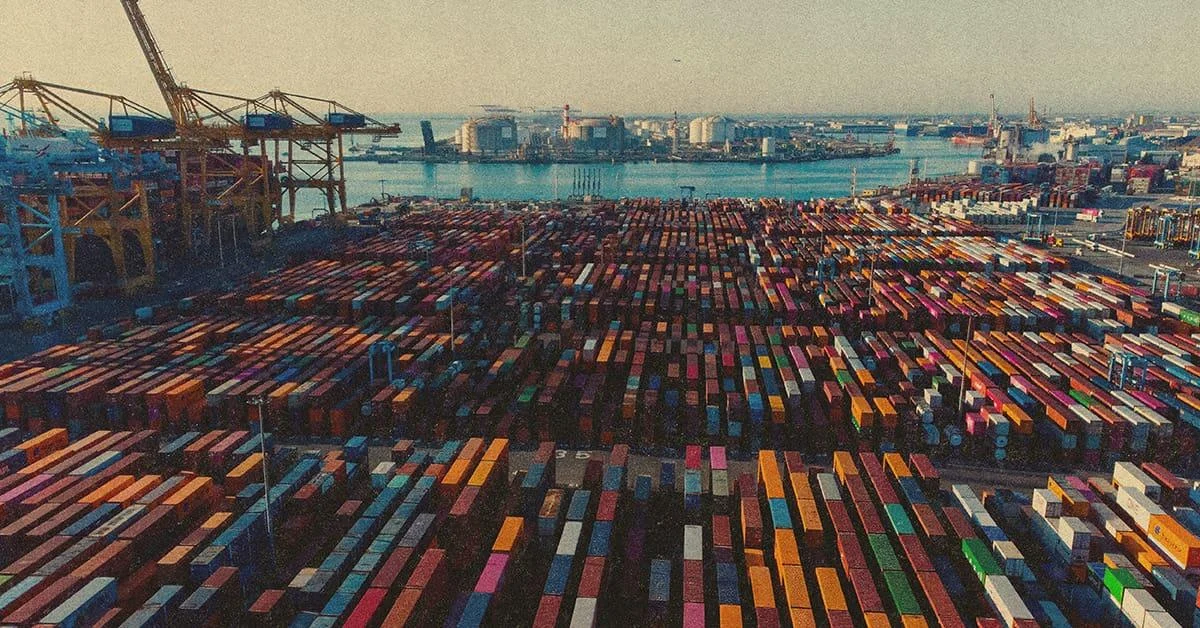
The global trade environment has become significantly more intricate, presenting businesses with a complex web of tariffs that demand a nuanced and disciplined approach to management. Charles Clevenger of UHY, a leading accounting and advisory firm, emphasizes that simplistic country-level summaries are no longer sufficient for accurately assessing a company’s true tariff exposure. The reality on the ground is far more granular: multiple duties can converge on a single shipment, a seemingly vanished cost can be replaced by a new obligation, and the interplay between various trade actions requires meticulous examination. Businesses must adopt a proactive strategy that encompasses determining current obligations, anticipating future changes, and confirming the precise interaction of tariffs before making critical pricing or supply chain decisions.
The mid-point of 2026 marked a pivotal shift in the tariff landscape, adding a new layer of complexity for importers and exporters alike. On July 24, 2026, the temporary 10% Section 122 import surcharge, which had broadly impacted numerous imports, expired. However, this removal was swiftly followed by the implementation of Section 301 tariffs on July 24, 2026, affecting approximately 60 major U.S. trading partners with rates generally set at 10% or 12.5%. This broad-based action, aimed at addressing alleged unfair trade practices, introduced a significant new cost for many businesses.
The complexity did not end there. Separate trade actions have further escalated tariff burdens. Notably, specific Brazilian imports became subject to an additional 25% tariff, stemming from distinct trade investigations and findings regarding Brazil’s trade policies. In parallel, a significant escalation was announced for specified Canadian goods. Under Section 338 of the Trade Act of 1974, these Canadian products were slated to face an additional 50% tariff commencing August 19, 2026, a move that generated considerable concern within Canadian trade circles. Furthermore, existing Section 232 tariffs, imposed on grounds of national security, continue to apply to critical goods such as steel, aluminum, copper, and certain derivative products, adding another layer to the cost structure for many industries.
Each of these tariff actions operates under its own unique legal authority, possesses a distinct effective date, defines a specific product scope, and includes provisions for exclusions and rules governing its interaction with other existing duties. This multifaceted environment means that a tariff that might disappear from one import may be superseded by another. Similarly, a tariff that appears to apply uniformly to an entire country might, upon closer inspection, exclude a range of specific products. The potential for multiple duties to apply to the same shipment is a significant concern, though anti-stacking provisions in some trade actions may preclude certain combinations of tariffs from being levied simultaneously. Businesses navigating the remainder of the year and beyond must therefore implement a disciplined and rigorous process. This process needs to accurately ascertain current tariff liabilities, proactively anticipate potential shifts in trade policy, and maintain the flexibility to adapt if duties are later modified, rescinded, or invalidated through legal challenges or policy changes.
Understanding Tariff Exposure at the Product Level
The notion that country-level tariff summaries can provide a comprehensive understanding of a company’s trade policy exposure is increasingly becoming a relic of the past. While such summaries can offer executives a general sense of the direction of trade policy, they invariably fail to capture the full scope of a company’s financial obligations. The actual duty owed on a specific shipment is a far more intricate calculation, contingent upon a confluence of factors. These include the Harmonized Tariff Schedule (HTS) classification of the goods, their country of origin, the specific component materials used in their production, the precise date of entry into the importing country, and whether the goods qualify for any available exclusions or exemptions.
Beyond these core considerations, a thorough analysis must also encompass ordinary customs duties, the imposition of Section 232 national security tariffs, the broad-reaching Section 301 tariffs, and potentially even antidumping or countervailing duties (AD/CVD) if applicable. The cumulative effect of these various trade measures can be substantial and often unpredictable without a detailed, product-specific review.
The recent implementation of the Section 301 action, impacting 60 trading partners, serves as a salient example of why a product-level analysis is indispensable. This action generally imposes additional tariffs of 10% or 12.5%, but these rates are subject to product-specific exemptions and, in some instances, special calculation methodologies for certain trading partners. Crucially, products already subject to Section 232 tariffs are explicitly excluded from this new Section 301 action, highlighting the need to carefully track and reconcile overlapping duty regimes.
The situation with Brazil further underscores this complexity. Certain Brazilian goods may be subject to both the separate 25% Section 301 action and the broader forced-labor-related Section 301 tariffs, which were implemented in response to concerns about forced labor practices in certain countries. Depending on the specific product and the availability of applicable exemptions, the aggregate additional Section 301 burden could potentially reach 37.5%, even before accounting for ordinary customs duties or other applicable charges. This scenario illustrates the critical need for businesses to meticulously determine which products are included in each distinct tariff action and to rigorously confirm that their declared country of origin is accurate and well-supported by documentation. This detailed approach necessitates a comprehensive review of product classifications, detailed knowledge of sourcing and manufacturing processes, applicable exclusion lists, the designated importer of record, and the relevant effective dates for each tariff action. Only through such a granular analysis can companies accurately estimate their true financial impact.
Planning for Durability Without Assuming Permanence
The long-term viability and impact of any given tariff are intrinsically linked to the statutory authority under which it was imposed. While the ultimate outcome of any potential litigation remains to be seen, businesses must operate under the assumption that these tariffs will remain in effect for an extended period. This forward-looking perspective is essential for effective strategic planning.
The Section 122 surcharge, for instance, was explicitly designed as a temporary measure, with its duration limited to 150 days unless extended by Congress. Its expiration on July 24, 2026, was therefore a predictable outcome based on the original legislation. However, other authorities operate under fundamentally different frameworks. Section 301 tariffs, for example, can be maintained indefinitely while the U.S. government engages in negotiations or seeks to effect changes in another country’s trade practices. These tariffs are not static and can be modified through diplomatic channels, the granting of new product exclusions, administrative reviews initiated by affected parties, or shifts in overall U.S. trade policy.
Similarly, Section 232 measures, tied to national security findings, can persist for considerable durations, as they are not subject to fixed statutory expiration dates. This means that industries relying on steel, aluminum, or copper, for example, must continue to factor these tariffs into their cost structures for the foreseeable future.
The recent application of Section 338 against Canadian goods introduces yet another layer of variability. This particular statutory authority has been invoked infrequently in the past. The duties recently announced under this provision target broad lists of specified Canadian products, including some goods that may otherwise qualify for preferential treatment under the United States-Mexico-Canada Agreement (USMCA). Certain sectors and products, such as energy, potash, goods already subject to Section 232 tariffs, and specific other categories, have been explicitly excluded from this Section 338 action.
For effective planning purposes, companies should treat all currently enforced tariffs as integral components of their near-term cost structure. However, this must be balanced with the development of flexible scenarios that account for potential modifications, expansions, or outright removal of these duties. Relying on forecasts based on a single, assumed tariff rate can lead to outdated financial projections before a purchase order is even fulfilled, potentially resulting in significant financial miscalculations. Scenario planning should encompass goods already ordered, products currently in transit, and future purchase commitments. Crucially, these plans must incorporate the inherent possibility that the tariff landscape will continue to evolve.
Following the Legal Authority Behind Each Action
Evaluating the legality and impact of the tariff environment as a whole is an exercise in futility. Each tariff program operates under its own distinct statutory authority, is supported by a unique administrative record, and has its own procedural history. Consequently, the legal questions and challenges associated with one tariff action do not automatically dictate the validity or implications of another.
Current actions under Sections 232, 301, and 338, for instance, may raise entirely different legal arguments and are subject to distinct judicial review processes. A legal decision or administrative ruling that affects the application of Section 232 tariffs does not inherently determine the legality or enforceability of Section 301 tariffs or vice versa.
Businesses are therefore obligated to maintain compliance with all tariffs currently being collected. Simultaneously, they must diligently monitor litigation and administrative developments that are relevant to their specific import and export activities. Preserving detailed records, including classification documents, entry documents, all communications with customs authorities, and proof of duty payments, is paramount. These meticulously maintained records may prove invaluable should a court decision, the granting of an exclusion, or a subsequent agency action create an opportunity for recovery of duties paid.
Furthermore, the inherent legal uncertainty surrounding these trade measures must be factored into accounting and financial forecasting. A potential legal challenge to a tariff does not, in the immediate term, eliminate the cash requirement for duties due upon goods entry. Similarly, a possible future refund, contingent on the success of a legal challenge, should not be treated as readily available operating cash. Prudent financial management dictates that companies account for the immediate cash outlay while developing strategies to pursue potential recoveries.
Confirming Tariff Stacking Before Changing Prices
One of the most consequential and immediate questions facing businesses for the remainder of the year revolves around the potential for multiple tariffs to apply to the same product. The intricate nature of trade policy means that some actions are imposed as additions to existing duties, while others contain specific exclusions designed to prevent such overlaps. The now-expired Section 122 surcharge, for example, generally applied in addition to other duties but notably excluded portions of imports already subject to Section 232 tariffs. Similarly, the new Section 301 action covering 60 economies explicitly excludes articles and parts already covered by Section 232 tariffs.
These intricate provisions can lead to significantly different outcomes for products that may appear similar in description or share similar supply chains. A steel component, for instance, might receive entirely different tariff treatment compared to the finished product in which it is incorporated. Two products sourced from the same supplier could, due to differing tariff classifications or their inclusion on separate exclusion lists, face vastly different duty burdens.
It is therefore imperative for companies to conduct a thorough tariff stacking analysis before making any decisions to adjust customer prices, renegotiate supplier terms, or fundamentally alter sourcing strategies. Decisions based on an incomplete or inaccurate assessment of the applicable tariff rates can inadvertently lock a business into unfavorable pricing structures or prompt the abandonment of a supplier that might remain economically competitive once all applicable exclusions and duty interactions are properly considered.
Connecting Customs Compliance with Commercial Decisions
Effective tariff management transcends the traditional domain of customs compliance departments. It necessitates a holistic, cross-functional approach that actively involves procurement, finance, legal, tax, operations, and sales teams. Each of these departments holds critical information that is essential for a comprehensive assessment of the full impact of tariffs.
Procurement professionals possess invaluable insights into which orders can be delayed, redirected, or renegotiated to mitigate tariff impacts. Customs specialists provide the expertise on classification, country of origin rules, and entry requirements. The finance department plays a crucial role in quantifying the impact on profit margins and working capital. Legal counsel is vital for interpreting contract language related to tariff increases, force majeure clauses, price adjustment mechanisms, and the ownership of potential refunds. Sales leaders, in turn, need to understand which increased costs can realistically be passed on to customers and which may need to be absorbed by the company.
Contracts, in particular, warrant focused attention. Businesses must meticulously review their contractual agreements to determine who bears responsibility for duties under prevailing shipping terms (e.g., Incoterms), whether existing pricing provisions allow for tariff-related adjustments, and who is entitled to any refunds if duties previously passed through to a customer are subsequently recovered. This comprehensive contract review is especially critical for long-term agreements negotiated prior to the recent wave of tariff actions and for open purchase orders involving goods that are scheduled to enter the country after a new tariff’s effective date.
Treating Refunds as an Active Workstream
The possibility of recovering previously paid duties, particularly in the context of certain trade actions like those involving the International Emergency Economic Powers Act (IEEPA), presents a meaningful opportunity for financial recovery. However, realizing these recoveries requires a proactive and actively managed process, not a passive expectation.
Importers must diligently identify all entries that may be potentially eligible for a refund. This involves reconciling the duties paid against their customs and accounting records, confirming the identity of the importer of record for each entry, and meticulously reviewing the status of each relevant entry. Ensuring that banking information is accurately established within the U.S. Customs and Border Protection’s (CBP) Automated Commercial Environment (ACE) is also a critical prerequisite. CBP requires eligible ACE account users to enroll for electronic refunds through the ACE portal and provides reporting tools to monitor the status of these refund requests.
Companies must also carefully examine whether any recovered amounts have implications for customers, suppliers, or other parties under their existing contractual agreements. A refund received by the importer of record may represent a direct financial recovery for the company, an amount owed to a customer based on previous pricing adjustments, or a combination of both. A clear understanding of these contractual obligations is essential to avoid future disputes and maintain strong business relationships. The proactive management of potential refund opportunities, integrated with a clear understanding of contractual obligations, is a key component of navigating the complexities of the modern tariff environment.
