

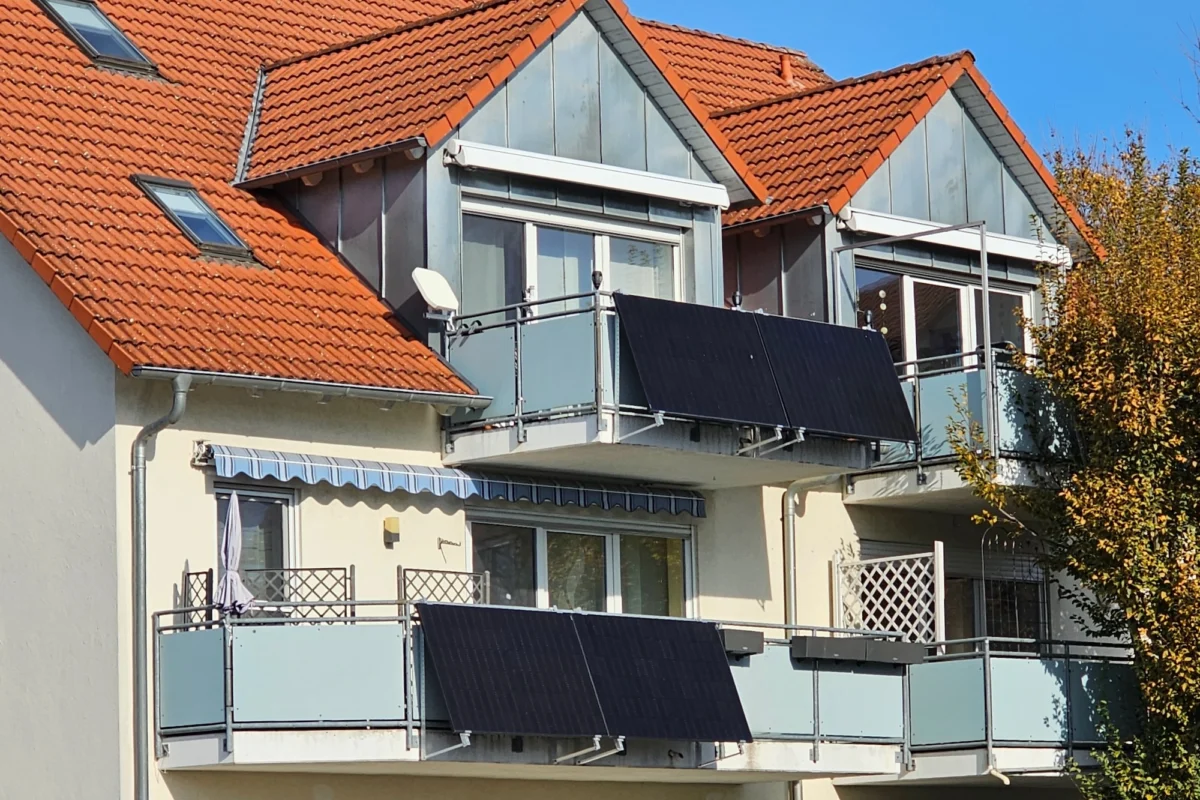
As the global transition toward renewable energy accelerates, a compact and accessible technology known as balcony solar is emerging as a disruptive force in the residential energy sector. While traditional solar adoption has largely been the province of homeowners with expansive rooflines and significant capital, balcony solar—often referred to as "plug-in solar"—is democratizing access to clean energy. In Europe, particularly in Germany, the technology has already reached a fever pitch of adoption. However, in the United States, a complex web of regulatory barriers, electrical codes, and property restrictions has historically stymied growth. This landscape is now shifting as new safety standards and state-level legislation begin to pave the way for a more flexible, decentralized power grid.
The Rise of Plug-and-Play Energy
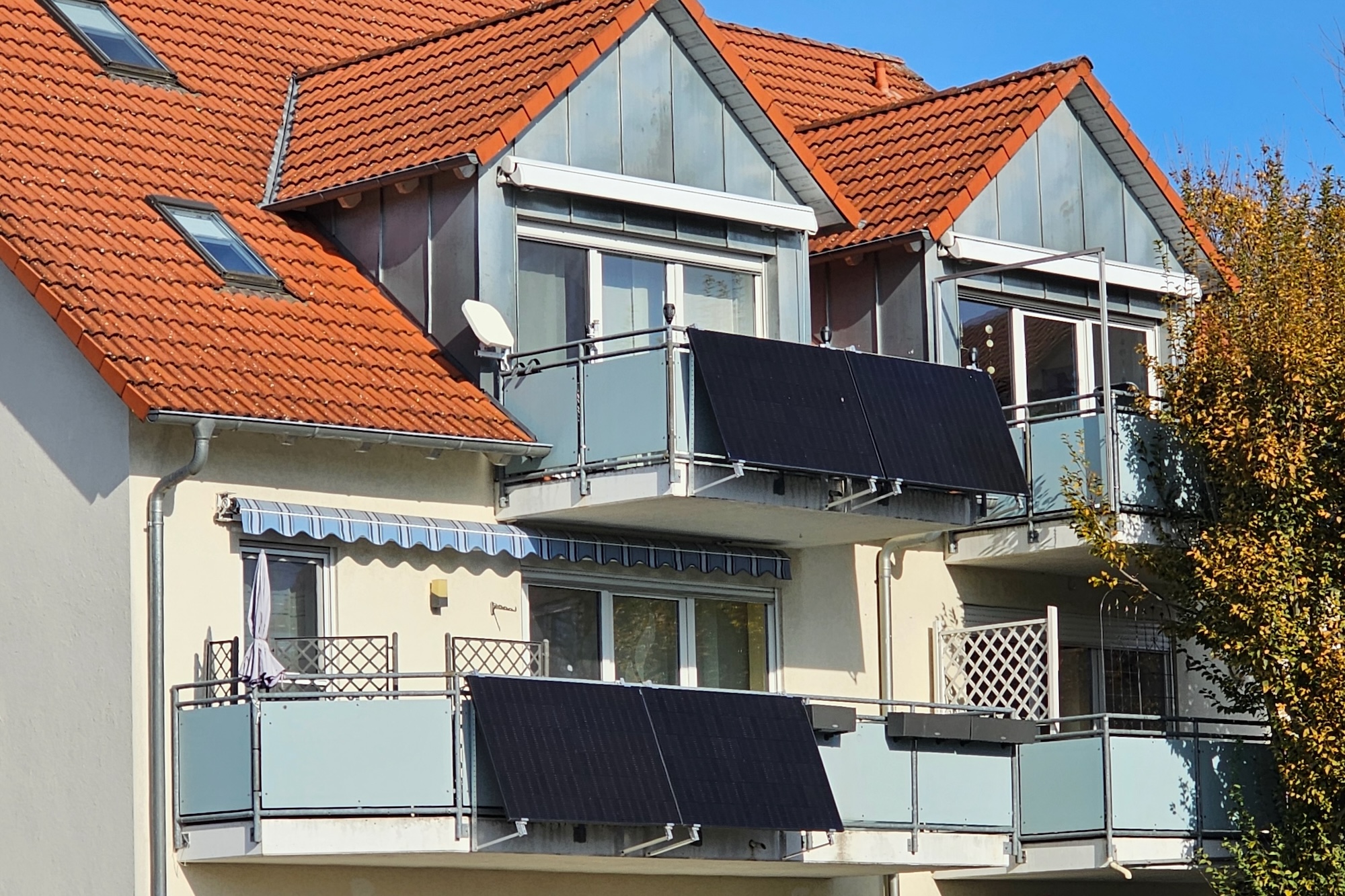
Balcony solar systems represent a departure from the traditional, large-scale residential arrays that have dominated the American market for two decades. Unlike rooftop systems, which typically require professional installation, structural engineering assessments, and complex grid-tie permits, balcony solar is designed for simplicity. These systems generally consist of one or two solar panels equipped with integrated microinverters. They are designed to be mounted on apartment railings, fences, or small patios and connected directly into a standard household 120-volt wall outlet.
The primary appeal of these systems lies in their accessibility for the "missing middle" of the energy transition: renters and residents of multi-family dwellings. For millions of Americans living in apartments or condominiums, rooftop solar is an impossibility due to shared roof ownership or lease restrictions. Balcony solar offers a partial solution, allowing these residents to generate their own power and offset a portion of their utility bills without making permanent structural changes to a property.
According to data from the online solar marketplace EnergySage, a typical balcony solar kit ranges from 400 to 800 watts in capacity. The cost for such a system generally falls between $500 and $1,500. While this is significantly smaller than the average 12-kilowatt rooftop system, the financial impact is immediate. Depending on local utility rates and sun exposure, these units can reduce monthly electricity bills by $15 to $50. For a mid-range system costing $1,000, the payback period can be as short as five to seven years, after which the electricity generated is essentially free for the remainder of the panel’s 25-year lifespan.
A Comparative Look: Germany vs. The United States
The potential for balcony solar in the U.S. is often measured against the success of the German "Balkonkraftwerk" (balcony power plant) movement. Germany has become the global leader in this niche, with an estimated 4 million units registered as of early 2026. The German success story was facilitated by a combination of high electricity prices and proactive regulatory simplification. German authorities streamlined the registration process, allowing residents to register their devices through a simple online portal and ensuring that utilities could not block the connection of small-scale plug-in devices.
In contrast, the U.S. market has lagged due to a fragmented regulatory environment. In many American jurisdictions, the act of plugging a power-generating device into a standard outlet has been viewed with skepticism by utilities and building inspectors. Concerns over "back-feeding" the grid—where a solar unit continues to push power into a line that has been shut down for maintenance—have led to stringent requirements for professional inspections and expensive permitting fees that often exceed the cost of the balcony solar unit itself.
Furthermore, Homeowner Associations (HOAs) and rental property managers have frequently prohibited the installation of any exterior-facing equipment, citing aesthetic concerns or potential liability. This has created a "solar gap" where those most vulnerable to rising energy costs—renters in urban centers—are the least able to access renewable energy savings.
The Turning Point: Safety Standards and Certification
The most significant barrier to widespread adoption in the U.S. has been the lack of a unified safety standard for plug-in solar devices. Until recently, electrical inspectors had no clear framework to certify that a consumer-installed plug-in system met the same safety rigors as a professionally installed rooftop array.
A major breakthrough occurred in December 2025, when the required lab testing framework was finalized. In January 2026, UL Solutions, a global leader in applied safety science, announced the launch of a dedicated testing and certification program for plug-in solar systems, known as UL 3700. This standard provides a system-level approach, ensuring that the panel, the microinverter, and the plug-in mechanism work together safely as a single unit.

"UL 3700 marks a major step forward, helping remove regulatory uncertainty and making plug-in solar a potential choice for consumers across the U.S.," said Robert Slone, UL Solutions chief scientist and vice president. The certification addresses technical concerns such as "anti-islanding" protection, which ensures the solar unit automatically shuts off if the grid goes down, protecting utility workers from unexpected surges.
As of the second quarter of 2026, the first wave of UL-certified balcony solar kits is expected to hit the American market. This certification is crucial because it gives local building departments and utilities a recognized benchmark, potentially allowing for "over-the-counter" permits or even permit-exempt status for small-scale systems.
Legislative Progress Across the States
While technical standards provide the safety foundation, state-level legislation is providing the legal right to generate power. Utah became the vanguard of this movement in 2025, passing the nation’s first comprehensive legislation aimed at removing utility and property-based obstacles for plug-in solar. The Utah law prevents utilities from charging exorbitant interconnection fees for small systems and limits the ability of HOAs to ban the devices outright.
Following Utah’s lead, a "trickle" of legislation has turned into a "flood." According to Brightsaver, a balcony solar advocacy organization, 10 states have now passed legislation to support the technology as of mid-2026. These states include Virginia, California, and several Northeastern states where high electricity costs have made solar particularly attractive. Similar bills have been introduced in 35 other states, indicating a broad, bipartisan interest in energy independence and grid resilience.
In May 2026, Virginia Governor Abigail Spanberger signed a landmark balcony solar bill into law. The legislation was part of a larger package aimed at diversifying Virginia’s energy portfolio and streamlining the permitting process for all scales of renewable energy. At the signing ceremony, Spanberger emphasized the practical benefits of the technology. "By diversifying our energy usage, we can make sure that Virginia families are less exposed to volatility," she stated. "That is what energy independence means in practice, and that is exactly what we are building toward."

Technical Constraints and Realistic Expectations
Despite the growing enthusiasm, experts caution that balcony solar is not a "silver bullet" for all household energy needs. Unlike rooftop systems, which can often produce 100% or more of a home’s electricity, balcony systems are limited by their size and orientation.
A standard 400-watt panel on a balcony will typically generate enough power to offset "baseload" appliances—devices that are always running, such as refrigerators, Wi-Fi routers, and home security systems. They are generally not powerful enough to run high-draw appliances like central air conditioning, electric clothes dryers, or electric vehicle chargers.
Furthermore, orientation is critical. A balcony facing north will see negligible energy production, whereas a south-facing balcony with no obstructions can maximize the unit’s output. The physical constraints of apartment living also mean that shading from neighboring buildings can significantly impact performance. However, for many proponents, the goal is not total energy independence but rather a reduction in the "energy burden" for low-to-middle-income households.
The Future of Distributed Energy Resources
The rise of balcony solar is part of a broader shift toward Distributed Energy Resources (DERs). DERs are small-scale power generation and storage technologies located close to where the electricity is used. By generating power at the point of consumption, these systems reduce the strain on the long-distance transmission lines and help stabilize the local grid during periods of peak demand.
As the U.S. grid faces increasing pressure from extreme weather events and the transition away from fossil fuels, balcony solar units—especially when paired with small-scale battery storage—could play a role in grid resilience. If hundreds of thousands of apartment dwellers each contribute a few hundred watts of power during peak sunlight hours, the aggregate impact on the grid is substantial.

The evolution of balcony solar in the United States represents a maturing of the renewable energy market. It marks a shift from solar as a luxury home improvement to solar as a standard household appliance. While the movement is still in its early stages compared to the European market, the combination of UL safety certifications and supportive state laws suggests that the "plug-and-play" revolution is finally arriving on American shores. As the technology becomes more standardized and widely available, the sight of solar panels hanging from apartment railings may soon become as common in New York or Chicago as it currently is in Berlin or Munich.
