

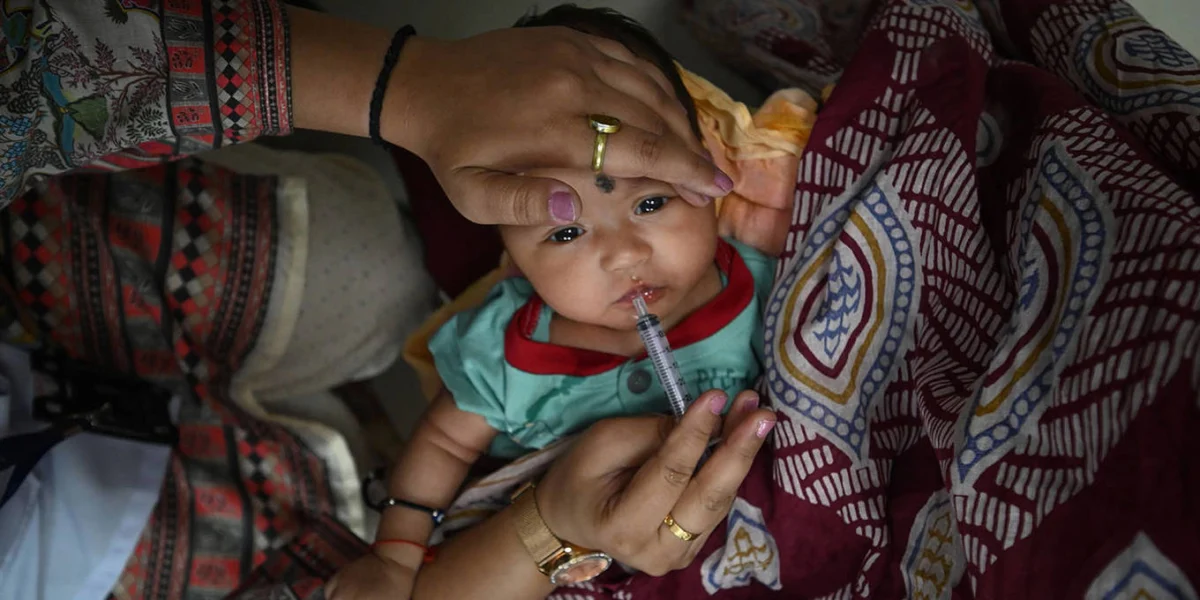
The landscape of international aid is undergoing a profound transformation, marked by a significant retrenchment from peak levels, yet far from disappearing. As global crises continue to proliferate, the intricate web of foreign assistance is being rewoven, driven by a complex interplay of humanitarian imperatives and evolving geopolitical strategies. While the total volume of aid has seen a notable annual decline, the underlying forces necessitating its provision remain potent, ensuring that donor nations will continue to allocate substantial resources abroad. The critical question facing the international community is not whether aid will persist, but rather what form this evolving system of assistance will ultimately take.
A Shrinking, Yet Persistent, Tide of Aid
In the fiscal year 2025, despite the steepest annual contraction on record, member countries of the Organisation for Economic Co-operation and Development (OECD) collectively disbursed an estimated $174.3 billion in official development assistance (ODA). This figure, while representing a decrease, underscores the enduring commitment of wealthier nations to supporting development and humanitarian efforts globally. The data, compiled by the OECD’s Development Assistance Committee (DAC), reveals a nuanced picture, where headline figures mask significant variations in the approaches and priorities of individual donor nations.
The United States, a traditionally leading contributor to global aid, has experienced a particularly sharp recalibration. In 2025, US assistance amounted to approximately $29 billion. This figure, however, comes in the wake of significant programmatic reductions. Notably, the previous administration implemented an aggressive austerity measure, reportedly slashing 83% of programs administered by the United States Agency for International Development (USAID). This move, a stark departure from historical US foreign policy, signaled a broader shift in the American approach to global engagement, prioritizing national interests and domestic concerns more overtly. Such drastic cuts, even if partially offset by other forms of assistance or reallocated funds, have reverberations across the international development sector, impacting long-standing projects and partnerships.
The Unyielding Drivers of Global Need
The persistence of foreign aid, even amidst fiscal retrenchment, is intrinsically linked to the escalating and interconnected nature of global challenges. The report from the OECD highlights several key factors that continue to necessitate international financial and material support:
Wars and Conflicts: A Perpetual Source of Displacement and Suffering
The ongoing proliferation of armed conflicts across various regions of the world remains a primary driver of humanitarian need. From protracted civil wars to sudden escalations of regional tensions, these conflicts generate immense human suffering, leading to widespread displacement, destruction of infrastructure, and disruption of essential services. Donor nations, compelled by humanitarian obligations and increasingly by strategic considerations to prevent regional instability, continue to channel significant resources towards conflict zones for humanitarian relief, peacekeeping operations, and post-conflict reconstruction efforts. The war in Ukraine, for instance, has placed an unprecedented demand on international aid resources, not only for direct humanitarian assistance but also for the reconstruction of critical infrastructure and the stabilization of the Ukrainian economy. Similarly, the protracted crises in Yemen, Syria, and parts of sub-Saharan Africa continue to require sustained international attention and funding.
Epidemics and Pandemics: The Lingering Shadow of Health Crises
The COVID-19 pandemic served as a stark reminder of the global vulnerability to infectious diseases. The long-term consequences of the pandemic, including economic disruptions and the strain on healthcare systems in developing nations, continue to necessitate international support for health system strengthening, vaccine equity, and pandemic preparedness. Beyond COVID-19, the threat of other emerging infectious diseases, such as Ebola, Marburg, and various strains of influenza, looms large. International aid plays a crucial role in bolstering the capacity of lower-income countries to detect, respond to, and contain outbreaks, thereby preventing them from escalating into global health emergencies. Investments in public health infrastructure, research and development, and access to essential medicines remain critical components of foreign assistance.
Displacement and Refugee Crises: A Growing Global Challenge
The confluence of conflict, climate change, and economic instability has led to an unprecedented surge in global displacement. Millions of individuals are forced to flee their homes each year, seeking safety and refuge in neighboring countries or further afield. This creates immense pressure on host communities and necessitates substantial international support for refugee assistance, including shelter, food, healthcare, and education. The ongoing humanitarian crisis in Afghanistan following the Taliban’s return to power, and the displacement of millions from the Sahel region due to conflict and climate-induced desertification, are prime examples of the scale of this challenge. International aid is vital for providing immediate relief and for supporting long-term integration and livelihood opportunities for displaced populations.
Geopolitical Competition and Strategic Interests: Aid as a Tool of Influence
Beyond purely humanitarian concerns, foreign aid is increasingly viewed by donor nations as a strategic tool in an era of heightened geopolitical competition. As major powers vie for influence and security, development assistance can be leveraged to foster alliances, promote economic partnerships, and advance national security interests. This can manifest in various forms, from large-scale infrastructure projects funded by loans and grants to targeted assistance aimed at strengthening democratic institutions or countering the influence of rival powers. The Belt and Road Initiative, for example, has spurred a counter-response from Western nations, who are also increasing their development finance and aid packages to strategically important regions. This strategic dimension of aid means that funding flows are not always dictated solely by need, but also by the perceived geopolitical calculus of donor governments.
A Chronology of Shifting Priorities
The current retrenchment in foreign aid is not an isolated event but rather a culmination of evolving global dynamics and domestic pressures within donor countries. Understanding this evolution requires a brief chronological perspective:
- Post-World War II Era (1940s-1960s): The genesis of modern foreign aid can be traced to the Marshall Plan, an ambitious US-led initiative to rebuild Western Europe. This period saw aid largely framed as a tool of geopolitical containment against the Soviet Union and a means of fostering economic recovery and stability.
- Decolonization and Development Decades (1960s-1980s): As former colonies gained independence, the focus of foreign aid shifted towards supporting their development aspirations. This era saw the establishment of numerous bilateral and multilateral aid agencies, with an emphasis on infrastructure, education, and agricultural development. The rise of international development institutions like the World Bank and the International Monetary Fund also shaped the aid landscape.
- Post-Cold War Realignment (1990s-2000s): The end of the Cold War led to a re-evaluation of aid priorities. While the focus on democracy and market reforms intensified, humanitarian concerns, particularly in the wake of genocides in Rwanda and the Balkans, also gained prominence. The Millennium Development Goals (MDGs), launched in 2000, provided a renewed global framework for development cooperation.
- The Rise of New Donors and Global Crises (2010s-Present): This period has been characterized by the emergence of new major aid donors, such as China, which operates with a distinct model of development finance. Simultaneously, the frequency and severity of global crises – from climate-related disasters to pandemics and protracted conflicts – have placed unprecedented demands on the existing aid architecture. Domestic fiscal pressures in traditional donor countries, coupled with a perceived lack of tangible results from some aid programs, have led to increased scrutiny and calls for reform. The COVID-19 pandemic, in particular, strained donor budgets and highlighted the interconnectedness of global health and economic stability.
Supporting Data and Trends
The OECD’s annual Development Co-operation Report provides a wealth of data illustrating these trends. For instance, beyond the aggregate $174.3 billion in 2025, the report details the breakdown by sector and region. While specific figures for 2025 are still being finalized and analyzed, historical data indicates that humanitarian assistance, particularly in response to sudden-onset disasters and protracted conflicts, has seen a significant increase in recent years. Simultaneously, aid to fragile states and those affected by climate change has also been a growing priority.
However, the composition of aid is also evolving. There is a discernible shift towards non-concessional loans and private sector financing, which may not always be counted as official development assistance but serve a similar purpose in supporting development. This blurring of lines between aid, trade, and investment presents a challenge in accurately assessing the true extent of concessional support available to developing countries.
Furthermore, the effectiveness and impact of aid remain subjects of ongoing debate and research. Studies by organizations like the Center for Global Development and the Brookings Institution have explored the efficiency of various aid modalities, the role of conditionality, and the importance of local ownership in ensuring sustainable development outcomes. The data suggests that while aid can be a powerful tool, its impact is contingent on factors such as good governance, institutional capacity, and alignment with local priorities.
Official Responses and Emerging Models
The retrenchment in foreign aid has prompted various responses from both donor and recipient nations, as well as international organizations.
Donor Nations: Re-evaluating Strategies
Traditional donor nations are grappling with the challenge of maintaining their commitments amidst domestic fiscal constraints and evolving geopolitical priorities. This has led to:
- Focus on Effectiveness and Efficiency: There is a renewed emphasis on ensuring that aid is used effectively and efficiently, with greater scrutiny of program outcomes and impact. This includes investing in better data collection, monitoring, and evaluation mechanisms.
- Strategic Realignments: Donor countries are increasingly aligning their aid strategies with their broader foreign policy and national security objectives. This can mean prioritizing certain regions or sectors that are deemed critical for geopolitical stability or economic partnership.
- Leveraging Private Sector Investment: Many donors are exploring ways to mobilize private sector finance for development, recognizing that public funds alone are insufficient to meet the scale of global needs. This includes initiatives like blended finance, where public funds are used to de-risk private investments in developing countries.
Recipient Nations: Seeking Diversification and Resilience
Developing countries are responding to the changing aid landscape by:
- Diversifying Funding Sources: Many nations are actively seeking to diversify their sources of development finance beyond traditional bilateral and multilateral donors. This includes attracting foreign direct investment, tapping into capital markets, and strengthening domestic resource mobilization.
- Prioritizing Self-Reliance and Resilience: There is a growing emphasis on building domestic capacity, fostering economic resilience, and reducing reliance on external aid. This involves strengthening governance, improving the business environment, and investing in human capital.
- Advocating for Fairer Global Economic Systems: Recipient countries continue to advocate for reforms in the global economic system to create a more equitable playing field, including fairer trade practices and debt relief.
International Organizations: Adapting to New Realities
Multilateral institutions like the United Nations and the World Bank are adapting to the evolving aid environment by:
- Promoting Coherence and Coordination: Efforts are underway to improve coordination among various development actors to avoid duplication of efforts and ensure a more coherent approach to development challenges.
- Focusing on Innovative Financing Mechanisms: These organizations are exploring new and innovative ways to finance development, including through green bonds, impact investing, and partnerships with the private sector.
- Championing Global Public Goods: They continue to play a crucial role in advocating for and mobilizing resources for global public goods, such as climate action, pandemic preparedness, and poverty reduction.
Broader Impact and Implications
The ongoing retrenchment in foreign aid, coupled with the persistent and escalating global needs, carries significant implications for the future of global development and stability:
- Widening Inequality: A reduction in aid, particularly to the poorest and most vulnerable countries, risks exacerbating existing inequalities and hindering progress towards achieving the Sustainable Development Goals (SDGs). Countries that are heavily reliant on external assistance may struggle to maintain essential services and invest in long-term development.
- Increased Instability: In regions already grappling with conflict, poverty, and climate vulnerability, a decline in aid could further destabilize these areas, leading to increased humanitarian crises, mass migration, and the potential for radicalization. The strategic importance of aid in preventing such outcomes cannot be understated.
- Shifting Power Dynamics: As traditional aid flows are reconfigured, there is a potential for shifts in global power dynamics. The influence of emerging economies and the private sector in development finance is likely to grow, altering the landscape of global governance and decision-making.
- The Imperative of Innovation: The current environment demands greater innovation in how aid is delivered and financed. This includes embracing digital technologies, fostering public-private partnerships, and developing more flexible and responsive aid mechanisms. The focus must shift from simply providing financial assistance to fostering sustainable solutions and building local capacity.
- The Enduring Moral and Strategic Case for Aid: Despite the challenges and complexities, the fundamental moral imperative to assist those in need, and the strategic interest that developed nations have in a stable and prosperous global order, remain compelling. The question is not whether rich countries will spend money abroad, but how they will choose to do so in an increasingly interconnected and volatile world. The emerging aid system will likely be more complex, more strategic, and perhaps less predictable, but its necessity will undoubtedly persist.
