

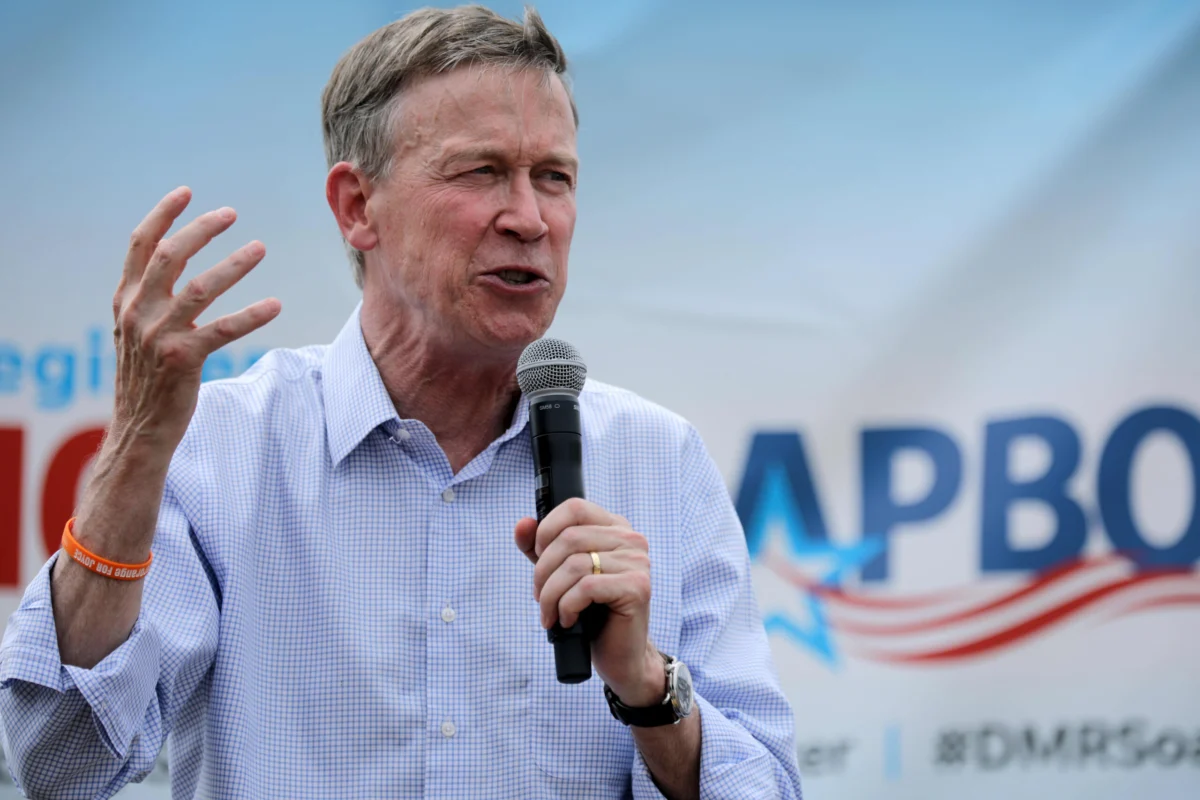
Denver, Colorado – In a candid assessment of the nation’s economic landscape, Senator John Hickenlooper (D-Colo.) has asserted that a recently enacted housing bill, while a step in the right direction, falls short of adequately addressing the escalating housing crisis gripping the United States. Speaking on the sidelines of an event for Su Teatro, a venerable Chicano theater company in Denver, Hickenlooper underscored the urgent need for more comprehensive governmental action at all levels, extending beyond the scope of current legislation. His remarks, made during an interview with CNBC, highlight housing and healthcare as critical sectors where a fundamental shift in governmental interaction with industries could yield substantial consumer benefits.
The Housing Crisis: A Call for Radical Reform
The "21st Century Road to Housing Act," which recently became law (referencing a CNBC article from 2026), aimed to introduce measures to stabilize and make housing more accessible. However, Senator Hickenlooper’s critique suggests that the law’s provisions, particularly those limiting private equity players in the market, are insufficient. His focus instead pivots to systemic barriers that impede new construction and drive up costs, primarily administrative hurdles and the ease with which development opponents can delay or halt projects.
"We’ve given anybody who wants to raise a finger all the tools they need to stop the housing development in its tracks," Hickenlooper lamented. "They can litigate. They can do this. They have all these processes that really add cost to the homes." This sentiment points to the pervasive issue of "Not In My Backyard" (NIMBY) opposition, where local residents or groups leverage zoning laws, environmental reviews, and various bureaucratic procedures to prevent new housing, particularly affordable housing, from being built in their communities. This often results in prolonged legal battles, increased development costs, and ultimately, higher prices for consumers.
The impact of these delays is profound. According to a 2021 study by the National Association of Home Builders, regulations imposed by all levels of government account for an average of 24.3% of the total cost of building a single-family home. This figure has been steadily rising, exacerbating the affordability crisis. In high-demand markets like Colorado, where population growth has consistently outpaced housing construction, the problem is particularly acute. Denver, for example, has seen median home prices soar by over 50% in the last five years, with rental costs following a similar trajectory, pushing homeownership out of reach for many middle-class families and young professionals.
Hickenlooper offered the Dallas-Fort Worth area as a potential model for streamlining homebuilding. He praised its regional approach, which features a single building code across the entire metropolitan area. Such a unified system, he argued, could significantly reduce complexity and accelerate construction. He envisioned a future where "if you’re going to include some affordable housing in your housing project, here’s a superfast zoning/building development setup code." This concept suggests creating expedited permitting and regulatory pathways for projects that meet specific affordable housing criteria, effectively bypassing the often-cumbersome local approval processes that currently contribute to delays and cost overruns. This approach could involve statewide mandates for certain zoning reforms, pre-approved architectural plans for various housing types, and stricter timelines for local government reviews.
Hickenlooper’s Political Journey and Policy Philosophy
Senator John Hickenlooper’s journey to the U.S. Senate is marked by a diverse career path, beginning as a geologist before he ventured into entrepreneurship, co-founding the Wynkoop Brewing Company, a pioneering brewpub in downtown Denver. This practical business experience, coupled with his subsequent political ascent as Denver’s mayor, then Colorado governor, and now a U.S. Senator, has shaped his pragmatic, problem-solving approach to policy.
He first gained prominence as Mayor of Denver from 2003 to 2011, overseeing significant urban revitalization and infrastructure projects, including the expansion of public transit. His two terms as Governor of Colorado (2011-2019) were characterized by a focus on economic development, environmental protection, and bipartisan collaboration, navigating a politically diverse state. He launched a brief presidential campaign in 2020, positioning himself as a moderate alternative, but withdrew before the primaries. His current declaration that he isn’t running again in 2028 suggests a focus on his current senatorial duties and legislative impact. This extensive background provides him with a unique perspective, bridging local governance challenges with national policy imperatives. His emphasis on streamlining processes and identifying practical solutions reflects a career built on navigating complex bureaucratic landscapes.
Beyond Housing: A Comprehensive Look at Economic Strain
Hickenlooper’s critique extends beyond housing to other pressing economic issues, recognizing their interconnectedness. The CNBC All-America Economic Survey has repeatedly shown that housing costs are the top concern for voters aged 18 to 34, underscoring the urgency of the issue for a crucial demographic. However, the Senator highlighted other areas where government intervention could alleviate consumer burdens.
Healthcare Costs: Addressing the Opaque Crisis
Healthcare costs represent another significant drain on American households. Hickenlooper pointed out the perennial problem of annual cost increases, opaque pricing structures, and the inherent difficulty for consumers to compare prices effectively. He referenced a 2019 American Medical Association study that characterized approximately a quarter of U.S. healthcare spending, an astonishing $1.35 trillion, as "waste."
"If we could get half of that, I mean, this is how you get to universal coverage," he stated, highlighting the transformative potential of efficiency improvements. This waste stems from various factors, including administrative complexity, inflated prices, unnecessary services, and fraud. Reforming the healthcare system to enhance transparency, promote competition, and incentivize value-based care rather than fee-for-service models could free up trillions of dollars, potentially allowing for broader coverage and lower out-of-pocket expenses for all Americans. The lack of price transparency, for instance, means patients often have no idea of the cost of a procedure until after it’s performed, hindering their ability to make informed decisions.
Immigration and ICE: Resonating in Colorado
On the contentious issue of immigration, Hickenlooper noted the profound impact of Immigration and Customs Enforcement (ICE) actions, particularly under the Trump administration’s heightened focus on illegal immigration. He emphasized how deeply these actions resonate within Colorado, a state with a significant Latino population. "Depending on where you are in this community — we’re 30% Latino here — just mention ICE, right?" he said. Citing recent deaths at the hands of ICE agents or employees, he added, "People in this community are going nuts."
This sentiment reflects widespread concern within immigrant communities and their allies about aggressive enforcement tactics, family separations, and allegations of human rights abuses. Colorado, like many border states, has seen significant protests and policy debates surrounding immigration enforcement. The socio-political implications of ICE operations are particularly acute in diverse states, impacting community trust, local economies, and broader electoral dynamics.
Data Centers: Balancing Innovation with Environmental Impact
Hickenlooper also weighed in on the burgeoning data center industry, a critical component of the modern digital economy. While he expressed theoretical support for data centers, recognizing them as indicators of tech sector activity, he outlined stringent conditions for their development. He insisted that he would not support them "unless they don’t increase the cost of electricity, that noise pollution is minimal or zero and that water consumption concerns are settled."
This nuanced stance reflects a growing national debate about the environmental footprint of data centers, which are voracious consumers of electricity and water for cooling. Communities across the country have raised concerns about rising utility bills, noise from cooling towers, and the strain on local water resources. Hickenlooper’s conditions suggest a policy framework that prioritizes sustainable development, ensuring that technological advancement does not come at an undue cost to local communities or the environment.
Democratic Strategy: Focusing on the Cost of Living
Looking ahead to upcoming elections, Hickenlooper offered strategic advice for Democrats: "We’ve got to hold Trump accountable." However, he stressed the importance of selecting two or three core issues that resonate broadly, suggesting "cost of living is a good place to start." He explained that this umbrella theme allows for a cohesive narrative, connecting critical issues like healthcare, housing, and the inflationary impact of global events, such as the war in Ukraine, on prices.
"Cost of living allows you to have a sentence about healthcare, a sentence about housing, a sentence about cost of living, and the cost of living takes you into the war" and its effect on prices, he elaborated. This approach aims to address the tangible economic anxieties faced by everyday Americans. Hickenlooper highlighted the scale of this problem in his home state: "I’m estimating 40% to 50% of people in Colorado have a hard time at the end of the month, every month." This stark figure underscores the economic precarity felt by a significant portion of the population, making cost of living a potent political message.
The Enduring "Trump Factor"
The former president, Donald Trump, remains a dominant force in the political landscape, a fact not lost on Hickenlooper. He described Trump as "such a mad genius," noting his ability to "exaggerate and take it out of context and create it into a mantra, a crusade" from seemingly minor news items. This observation highlights Trump’s unparalleled skill in shaping narratives and mobilizing his base, a challenge for Democrats in any election cycle.
Despite Trump’s continued influence, Hickenlooper expressed a degree of optimism regarding specific races. "But right now, when I talk to my friends in the Senate, people from Michigan or people from Iowa… boy, there are a lot of people I know in Iowa that think we’ve got a real chance to win that Senate seat." This remark suggests a belief among some Democrats that even in states with a strong conservative leaning, opportunities exist to make gains, possibly by focusing on local issues and candidate strengths rather than solely on national political headwinds.
Broader Implications and the Path Forward
Senator Hickenlooper’s comprehensive critique underscores a fundamental challenge facing the United States: the growing disconnect between economic growth metrics and the lived experience of many Americans. His call for deeper reforms in housing, healthcare, and other sectors reflects a recognition that incremental legislative changes may no longer suffice to address systemic issues.
The implications of his statements are far-reaching. For policymakers, it suggests a need to move beyond piecemeal solutions and embrace more transformative approaches to regulation, zoning, and industry oversight. For voters, it highlights the critical importance of these kitchen-table issues in upcoming elections, emphasizing how governmental decisions directly impact their financial well-being. The senator’s prescriptions, particularly regarding housing, advocate for a more proactive and less obstructionist regulatory environment, one that prioritizes the collective good of affordable housing over localized opposition.
Ultimately, Hickenlooper’s remarks paint a picture of a nation grappling with significant economic headwinds, where the cost of living remains a pervasive concern. His emphasis on addressing these issues through structural reforms and a clear, relatable political message offers a glimpse into a potential path forward for Democrats aiming to reconnect with an electorate increasingly burdened by economic realities. The challenge lies in translating these insights into actionable policies that can genuinely alleviate the financial pressures on millions of American families.
