

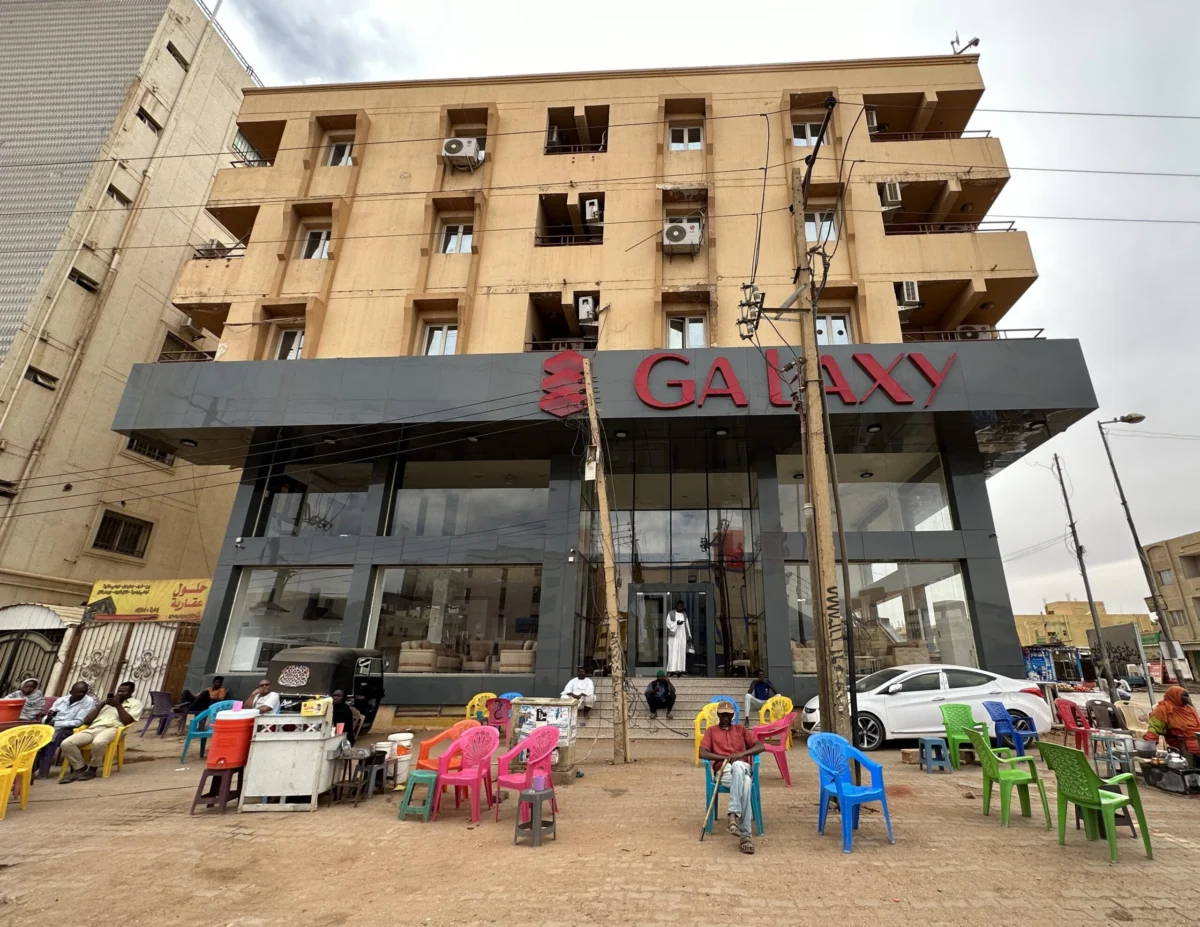
The Republic of Sudan has descended into a state of acute humanitarian emergency as the conflict between the Sudanese Armed Forces (SAF) and the paramilitary Rapid Support Forces (RSF) enters a critical and more destructive phase. Despite the announcement of multiple ceasefire extensions, the capital city of Khartoum and the outlying regions have seen no reprieve from the violence that erupted on April 15, 2023. The United Nations has issued a stark warning, stating that the nation is reaching a "breaking point" as essential services collapse, food supplies dwindle, and the international community winds down its complex evacuation operations. The power struggle between General Abdel Fattah al-Burhan, the head of the SAF, and General Mohamed Hamdan Dagalo, known as Hemedti, the leader of the RSF, has not only shattered the hopes for a transition to civilian rule but has also ignited a firestorm that threatens to destabilize the wider Horn of Africa and Sahel regions.
The Failure of Diplomacy and the Reality of Urban Warfare
On April 30, both warring factions ostensibly agreed to a 72-hour extension of a humanitarian truce that had been brokered with the assistance of international mediators, including the United States and Saudi Arabia. However, the reality on the ground in Khartoum and its sister cities, Omdurman and Bahri, tells a different story. Residents reported that the sound of heavy artillery, airstrikes, and anti-aircraft fire continued to echo through residential neighborhoods on Monday morning. The SAF has increasingly utilized its superior air power, deploying fighter jets and drones to strike RSF positions embedded within densely populated urban areas. Conversely, the RSF has utilized its mobility and knowledge of the city to fan out through residential districts, using civilian homes and infrastructure as defensive positions, a tactic that has turned the capital into a labyrinthine battlefield.
The military claims that it has succeeded in reducing the RSF’s combat effectiveness by approximately 50% and has thwarted attempts by the paramilitary group to bring in reinforcements from the western regions. In response, the RSF maintains that it remains in control of key strategic locations, including the Presidential Palace and the Khartoum International Airport, while claiming to have repelled multiple SAF ground offensives. These conflicting reports are difficult to verify independently due to the communication blackouts and the extreme danger faced by journalists on the ground, but the physical evidence of destruction—burned-out vehicles, looted government buildings, and scarred apartment blocks—paints a picture of a city under siege.
A Growing Humanitarian Catastrophe
The human cost of the conflict has reached staggering proportions. According to the Sudanese Health Ministry, at least 528 people have been confirmed dead, with another 4,599 wounded. However, these figures are widely considered to be significant underestimates. Many casualties remain uncounted as families are forced to bury their loved ones in backyards or public parks because the streets are too dangerous to reach hospitals or morgues. Martin Griffiths, the UN Under-Secretary-General for Humanitarian Affairs and Emergency Relief Coordinator, described the speed and scale of the unfolding disaster as "unprecedented."
The breakdown of law and order has led to widespread looting and the collapse of the local economy. In Khartoum’s industrial areas, witnesses have described scenes of systematic plunder, with individuals seen carrying heavy machinery, electronics, and food stocks from factories and warehouses. For the civilian population, the situation is one of "bitter hardship." Basic utilities, including electricity and water, are intermittent at best. Most of the city’s hospitals are out of service, either due to direct damage from shelling, a lack of medical supplies, or the inability of staff to reach the facilities. The World Food Programme (WFP), which had suspended operations after three of its staff members were killed in the early days of the war, announced a cautious resumption of services in safer regions on Monday, but the logistical challenges of reaching those most in need in the conflict zones remain nearly insurmountable.
Chronology of the Crisis: From Transition to Civil War
The current conflict is the violent culmination of a power struggle that began shortly after the 2021 military coup, which saw Burhan and Hemedti join forces to oust a transitional civilian government. The alliance between the regular army and the RSF was always tenuous, built on a shared interest in maintaining military control rather than a unified vision for the country.
- October 2021: General Burhan and General Hemedti lead a coup that dissolves the joint civilian-military Sovereign Council, stalling Sudan’s democratic transition following the 2019 ouster of longtime dictator Omar al-Bashir.
- Late 2022 – Early 2023: Negotiations for a new "Framework Agreement" to return to civilian rule heighten tensions. The primary sticking point becomes the integration of the RSF into the regular army. The SAF demands a quick two-year integration period, while the RSF pushes for a ten-year timeline and autonomy during the process.
- April 13, 2023: The RSF begins mobilizing forces toward the Merowe airbase and Khartoum without military authorization.
- April 15, 2023: Full-scale fighting breaks out in Khartoum and quickly spreads to other regions, including Darfur. Both sides blame the other for firing the first shot.
- April 20-25, 2023: Major world powers begin emergency evacuations of diplomats and citizens as the security situation deteriorates.
- April 30, 2023: Despite a nominal ceasefire extension, heavy fighting continues. The UN warns of a total humanitarian collapse.
The Mass Exodus and Regional Implications
The conflict has triggered a massive wave of displacement. The UN Refugee Agency (UNHCR) reports that over 50,000 people have already fled the country, seeking refuge in neighboring Chad, Egypt, South Sudan, and Ethiopia. Thousands more have made the perilous journey to Port Sudan on the Red Sea, hoping to secure passage on ships bound for Saudi Arabia. The influx of refugees into neighboring countries, many of which are already grappling with their own internal instabilities and food insecurities, threatens to create a regional crisis.
In Chad, thousands of Sudanese from the Darfur region have crossed the border, bringing with them harrowing accounts of ethnic violence. The Darfur region, which was the site of a genocide in the early 2000s, has seen a resurgence of conflict between Arab and non-Arab groups, exacerbated by the presence of the RSF, which evolved from the notorious Janjaweed militias. This "war within a war" in Darfur adds a layer of ethnic complexity to the struggle, making a peaceful resolution even more difficult to achieve.
International Response and the End of Evacuations
As the security environment becomes increasingly volatile, many foreign governments have concluded their evacuation efforts. Germany and several other European nations have officially ended their airlifts. The United Kingdom’s final evacuation flight was scheduled to depart on Monday, May 1. While these operations successfully removed thousands of foreign nationals, they have left behind millions of Sudanese who feel abandoned by the international community.
Diplomatic efforts are currently focused on establishing a more permanent ceasefire and creating humanitarian corridors. Representatives from the SAF and the RSF have reportedly nominated envoys for talks, likely to be held in Saudi Arabia, but neither leader has shown a willingness to negotiate in good faith. General Burhan has stated he will not sit down with a "rebel leader," while Hemedti has conditioned talks on a total cessation of SAF airstrikes.
Economic and Strategic Analysis
The economic implications of the war are devastating for a nation that was already one of the poorest in the world. Sudan’s banking system has largely collapsed, leaving residents without access to cash to buy food or fuel. The skyrocketing costs of transportation have made it impossible for many families to escape the combat zones. Furthermore, the destruction of infrastructure in Khartoum—the nation’s administrative and economic heart—will take decades to repair.
From a strategic perspective, the conflict represents a failure of the international community’s policy of engaging with military leaders in the hope that they would voluntarily cede power to civilians. The rivalry between Burhan and Hemedti is now an existential struggle; for both men, the outcome of this war is a matter of survival. This zero-sum mentality suggests that the conflict may transition into a protracted civil war, with the SAF holding the urban centers and the RSF retreating to its strongholds in the west to conduct an insurgency.
As the UN and other aid agencies struggle to provide relief, the global community faces a daunting challenge. Without a significant and sustained diplomatic intervention that addresses the root causes of the military’s grip on power, Sudan risks becoming a failed state, providing a vacuum that could be filled by extremist groups and further destabilizing an already fragile corner of the world. The "breaking point" warned of by the United Nations is not just a humanitarian threshold but a geopolitical one that could redefine the map of Northeast Africa for generations to come.
