

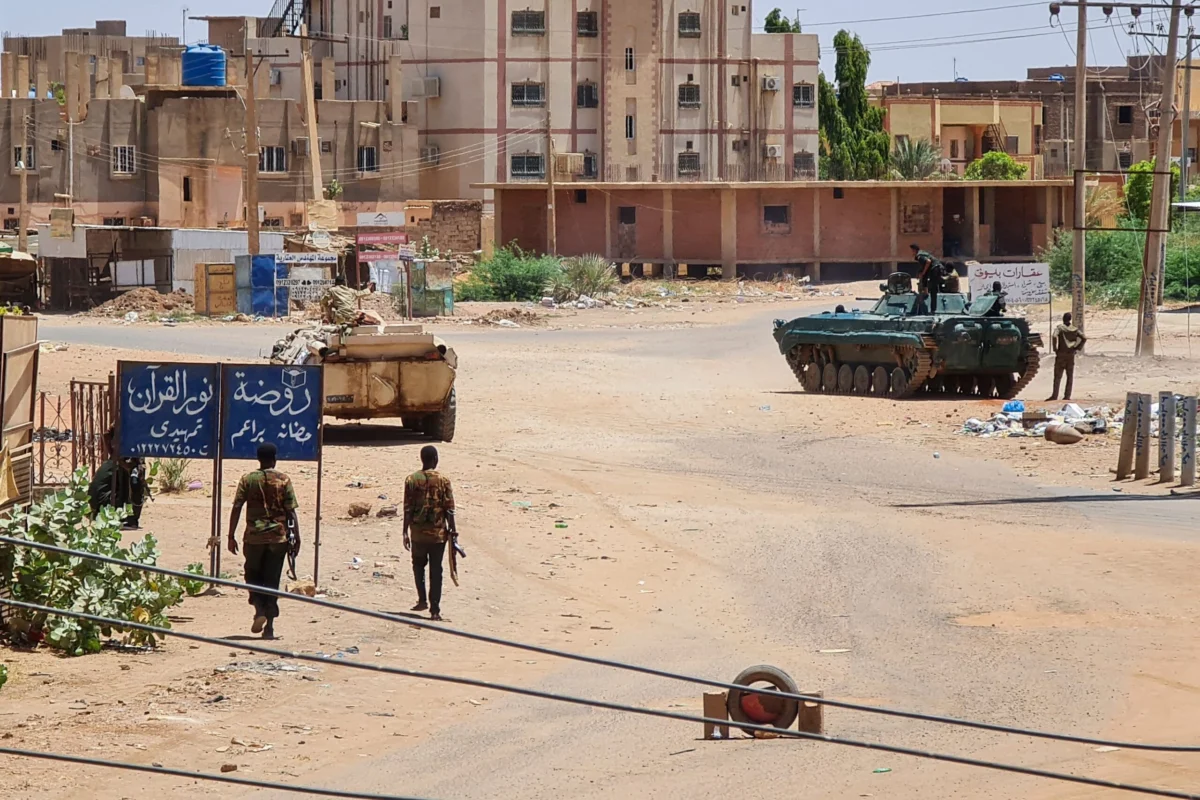
The conflict in Sudan has entered its second month with no clear resolution in sight, as the capital city of Khartoum and surrounding regions remain gripped by a devastating power struggle between two rival military factions. Despite high-level diplomatic efforts and internationally-brokered peace talks in Jeddah, Saudi Arabia, the violence has shown little sign of abating, instead spreading to the long-embattled Darfur region and creating what humanitarian agencies describe as an "immense and immediate" crisis. The clash between the Sudanese Armed Forces (SAF), led by General Abdel Fattah al-Burhan, and the paramilitary Rapid Support Forces (RSF), commanded by Mohamed Hamdan Dagalo, known as Hemedti, has effectively paralyzed the nation of 46 million people, threatening to destabilize the broader East African region.
The Human Toll and Displacement Crisis
According to the latest figures released by the International Rescue Committee (IRC) and the World Health Organization (WHO), the official death toll has surpassed 600 individuals, with more than 5,000 reported injuries. However, medical professionals on the ground and local monitoring groups warn that these figures are likely a significant undercount, as many casualties in residential areas remain unrecorded due to the dangers of recovering bodies during active shelling. The humanitarian landscape is increasingly dire; nearly one million people have been displaced in just four weeks. This includes approximately 700,000 internally displaced persons (IDPs) and over 200,000 who have sought refuge in neighboring countries such as Egypt, Chad, South Sudan, and Ethiopia.
For those who remain in Khartoum and Omdurman, daily life has become a struggle for survival. Despite a formal commitment from both warring parties to restore essential services, the reality on the ground is a collapse of the municipal infrastructure. Residents report prolonged outages of electricity and water, while the banking system’s failure has left many without the means to purchase what little food is available. Prices for basic commodities, including bread and fuel, have tripled or quadrupled in some districts, exacerbating an already critical malnutrition crisis. The IRC’s Vice President for East Africa, Kurt Tjossem, emphasized that the longer the conflict persists, the more vulnerable the population becomes to disease outbreaks and systemic hunger.
Chronology of the Conflict: From Transition to Chaos
The current violence is the culmination of months of escalating tensions regarding the integration of the RSF into the regular national army. To understand the present crisis, it is necessary to examine the timeline of Sudan’s recent political instability:
- April 2019: Following months of mass pro-democracy protests, the long-time dictator Omar al-Bashir is ousted in a military coup. A civilian-military power-sharing sovereign council is established.
- October 2021: General al-Burhan and Hemedti lead a joint military coup that dissolves the civilian-led government of Prime Minister Abdalla Hamdok. The move is met with international condemnation and the freezing of billions of dollars in foreign aid.
- December 2022: A "Framework Agreement" is signed between the military and civilian groups, promising a two-year transition back to civilian rule. However, the deal leaves the timeline for RSF integration into the SAF vague.
- Early April 2023: Tensions peak as the SAF demands a two-year integration period, while the RSF insists on a ten-year timeline. Both sides begin mobilizing troops and heavy weaponry into the capital.
- April 15, 2023: Full-scale fighting erupts in Khartoum, centered around the Presidential Palace, the Army Headquarters, and the international airport.
- May 2023: Peace talks begin in Jeddah, facilitated by the United States and Saudi Arabia, but fail to produce a lasting ceasefire.
The Struggle for Legitimacy in Jeddah
The peace talks in Saudi Arabia have focused primarily on achieving a "humanitarian pause" rather than a comprehensive political settlement. While the two sides signed the "Jeddah Declaration of Commitment to Protect the Civilians of Sudan" in mid-May, the agreement lacked an enforcement mechanism. Almost immediately after the signing, airstrikes and heavy artillery fire were reported in Khartoum’s northern suburbs.
International observers and Sudanese activists have expressed skepticism regarding the Jeddah process. A primary criticism is the absence of civilian representation at the negotiating table. Critics argue that by treating the conflict as a private dispute between two generals, the international community inadvertently grants political legitimacy to the belligerents. Yassmin Abdel-Magied, a Sudanese-Australian activist and writer, noted that the current approach risks rewarding "belligerence" and ignores the aspirations of the millions who protested for democracy in 2019. There is a growing fear that the talks will result in a "stability-first" deal that reinstates a military dictatorship under a new guise, rather than addressing the root causes of the conflict.
Geopolitical Interests and Foreign Influence
The conflict in Sudan is not merely a domestic affair; it is deeply entangled with the interests of regional and global powers. Sudan’s strategic location on the Red Sea and its wealth of natural resources, particularly gold, have made it a focal point for foreign intervention.
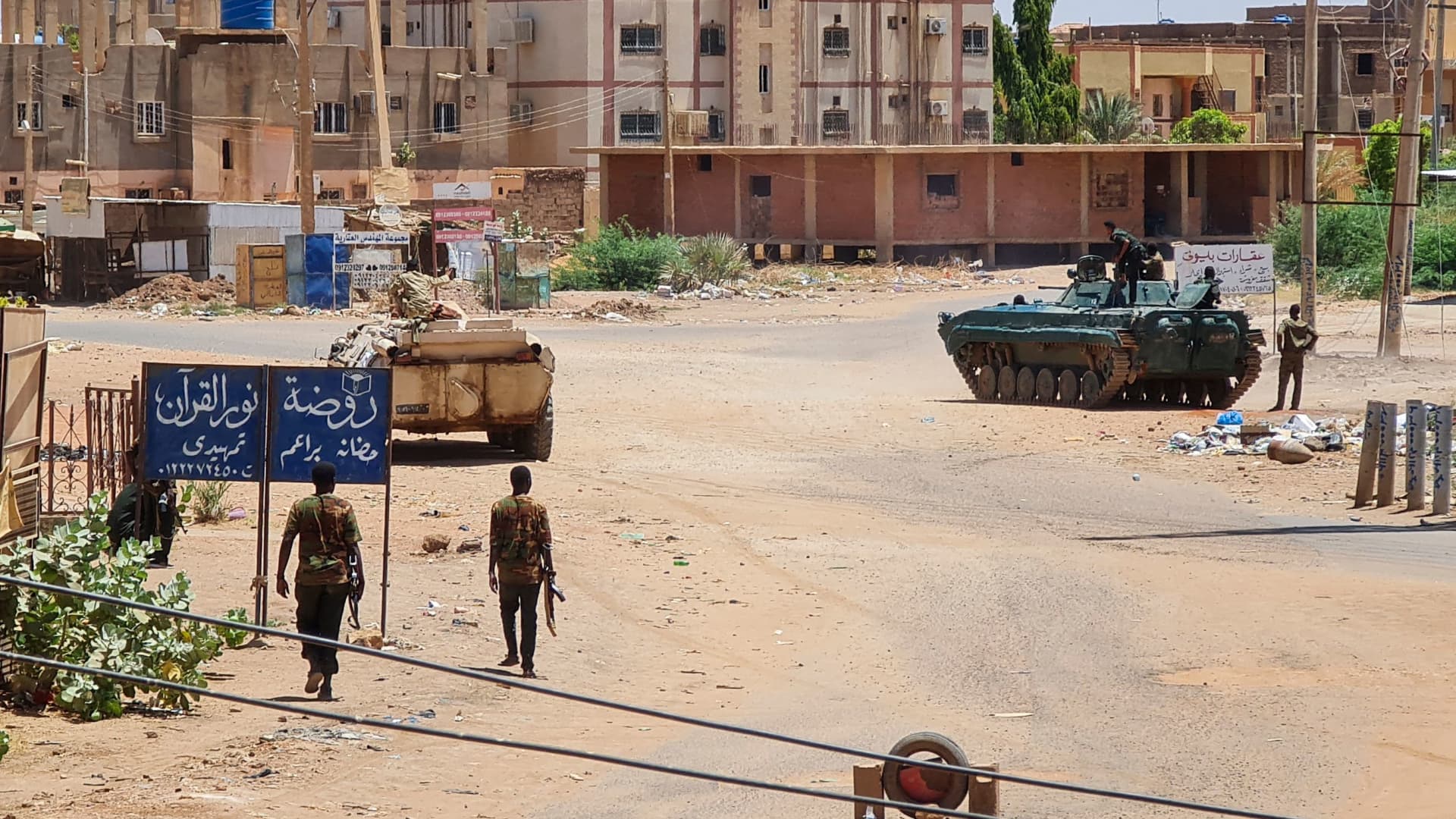
The SAF traditionally enjoys strong ties with Egypt, which views a stable, military-led Sudan as essential for its own national security and interests regarding the Nile River and the Grand Ethiopian Renaissance Dam (GERD). Conversely, the RSF and Hemedti have cultivated deep relationships with the United Arab Emirates (UAE) and Saudi Arabia, largely through the provision of paramilitary fighters for the coalition in Yemen. Furthermore, the Russian mercenary group Wagner has been linked to the RSF through gold mining operations in Darfur, adding a layer of Cold War-style geopolitical tension to the theater.
Experts suggest that these external dependencies make a resolution more difficult. If the generals continue to receive financial and logistical support from foreign backers, they have little incentive to commit to a genuine ceasefire. Analysts argue that targeted international sanctions against the business empires of both al-Burhan and Hemedti are necessary to "throttle" their resources and force them to the negotiating table.
The Role of Civil Society and Resistance Committees
Amidst the failure of formal diplomacy, Sudanese civil society has emerged as the primary provider of humanitarian aid. The "Resistance Committees"—informal, neighborhood-based networks that were instrumental in the 2019 revolution—have pivoted from political organizing to emergency response. These groups have established "Emergency Rooms" to coordinate food distribution, manage makeshift clinics, and facilitate the evacuation of elderly and vulnerable residents from active combat zones.
Activists like Abdel-Magied argue that these grassroots networks should be given a formal role in any peace process. They represent a "third way" that rejects both the SAF and the RSF in favor of a civilian-led state. By including delegates from these committees in international talks, the global community could ensure that the interests of the Sudanese people are prioritized over the survival of the military elites.
Analysis of Implications: A Potential State Failure?
The prospect of a "failed state" in Sudan is no longer a distant hypothetical. The destruction of the industrial base in Khartoum, the looting of humanitarian warehouses, and the targeted attacks on the healthcare system have set the country’s development back by decades. If the fighting continues to spread in Darfur, there is a severe risk of the conflict devolving into a full-scale ethnic civil war, reminiscent of the genocide in the early 2000s.
Furthermore, the collapse of the Sudanese state would have catastrophic implications for its neighbors. A protracted war could trigger a massive refugee crisis that would strain the resources of already fragile states like Chad and South Sudan. It could also create a security vacuum in the Sahel region, providing an opening for extremist groups to expand their influence.
As the conflict enters its second month, the international community faces a critical choice. Continuing with the current "wait-and-see" approach or relying on fragile ceasefires may lead to 30 years of dysfunction and regional instability. However, a shift toward "intentional, diligent, and thought-through action"—including the empowerment of civilian voices and the application of rigorous financial pressure on the warring factions—may yet prevent the worst-case scenario. For the 46 million citizens of Sudan, the cost of delay is measured in lives lost and a future increasingly under threat.
