

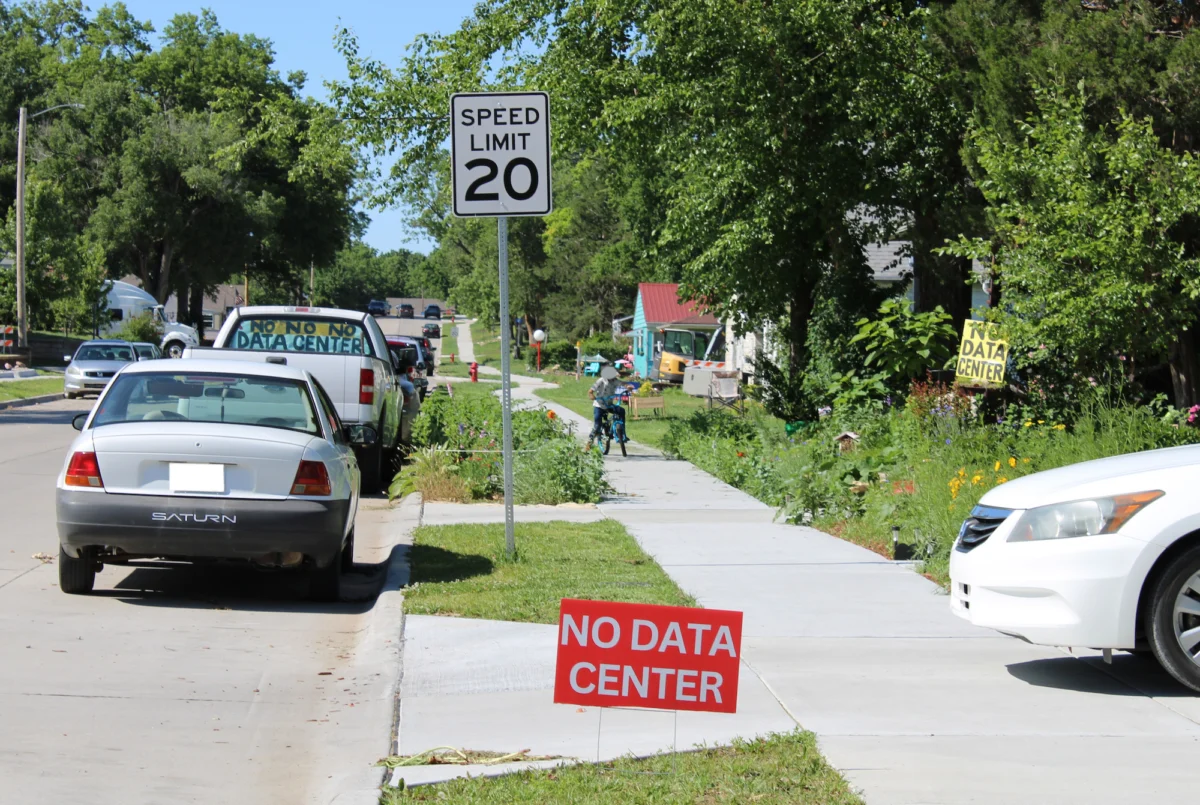
The rapid proliferation of industrial-scale data centers across the United States has transformed from a niche real estate trend into a central flashpoint for the upcoming November midterm elections. As the demand for artificial intelligence (AI) and high-performance computing reaches an all-time high, the physical infrastructure required to support these technologies is meeting unprecedented resistance from a rare coalition of bipartisan voters. From the rural heartlands of Kansas and Ohio to the coastal communities of Maine and New Jersey, residents are increasingly viewing these massive facilities not as harbingers of economic progress, but as threats to their resources, environment, and quality of life.
The conflict stems from a fundamental disconnect between the promises made by technology developers and the lived experiences of local communities. While companies like Meta, Google, and Amazon promise job creation and a bolstered tax base, the reality often involves highly automated facilities that provide few long-term employment opportunities for locals. Simultaneously, the sheer scale of these projects—some requiring more electricity than entire mid-sized cities—is straining aging power grids and depleting local water supplies used for cooling. This tension has created a political vacuum that both Democratic and Republican candidates are now rushing to fill, either by championing local sovereignty or by facing the electoral consequences of appearing too aligned with "Big Tech" interests.
The Scale of the Infrastructure Boom
The current wave of data center development is qualitatively different from the server farms of the previous decade. To support the computational intensity of generative AI, the industry has shifted from megawatt-scale facilities to gigawatt-scale "megaclusters." Currently, more than 3,000 data centers are operational across the United States. However, the pipeline for new construction includes over 1,000 additional projects, many of which dwarf existing infrastructure.
In Texas, a 750-megawatt bitcoin mining operation currently stands as one of the largest power consumers in the sector. Yet, upcoming projects are set to shatter that record. In Louisiana, Meta and Entergy have announced a 5.2-gigawatt expansion at an AI data center, a project so massive it requires the construction of seven new power plants. In Utah, a disputed 9-gigawatt project has triggered lawsuits from local leaders who fear the facility will cannibalize the state’s energy and water resources.
This shift toward rural areas is a strategic move by developers seeking cheaper land and direct access to high-voltage transmission lines. However, this migration has brought industrial-scale noise, light pollution, and massive steel structures to agricultural zones and quiet residential corridors, fueling a "Not In My Backyard" (NIMBY) sentiment that transcends traditional party lines.
Environmental and Resource Constraints
Public health professionals and environmental advocates have raised the alarm regarding the ecological footprint of these facilities. Data centers are notorious for their "water-energy nexus"—they require vast amounts of electricity to run servers and millions of gallons of water daily to prevent those servers from overheating.
- Grid Stability and Electricity Costs: Research from organizations like Brookings suggests that the surge in data center demand is contributing to rising energy bills for residential consumers. As utilities invest in new infrastructure to accommodate these "hyper-scalers," the costs are often passed down to the general public.
- Water Depletion: In drought-prone regions, the use of potable water for industrial cooling has become a moral and political issue. A recent analysis of Texas power plants and data centers revealed a massive spike in water consumption that threatens local aquifers.
- Pollution and Noise: Beyond resource consumption, the physical presence of data centers introduces constant low-frequency noise from cooling fans and air pollution from the massive diesel backup generators required to ensure 100 percent uptime. In Northern Virginia—the world’s current data center capital—research from Virginia Commonwealth University (VCU) indicates that air pollution from these clusters now rivals the emissions of traditional power plants.
The political sensitivity of these issues was further heightened by the Donald Trump administration’s recent moves to shield data centers from legal liability related to pollution. Critics argue this creates a "pollution haven" for wealthy tech elites, such as those behind Elon Musk’s xAI, while leaving local communities to bear the public health costs.
A Growing Political Liability
The depth of public opposition is reflected in recent polling data. According to a June study from Ipsos, only 14 percent of Americans approve of a new data center being built in their immediate community. This sentiment is remarkably consistent across the aisle, with only 9 percent of Democrats and 21 percent of Republicans expressing support.
This widespread disapproval has already begun to claim political casualties. In Maine, Democratic Governor Janet Mills recently withdrew her bid for the U.S. Senate. While she cited financial reasons, political analysts point to her controversial veto of a bill that would have imposed a statewide moratorium on data center development. Her departure left the field open for Graham Platner, a political newcomer whose platform focuses on protecting local resources from "elite-driven" industrial expansion.
The political fallout is not limited to one party or region:
- New York: Legislators recently passed a statewide data center moratorium bill. Governor Kathy Hochul faces a difficult decision as she weighs the tech industry’s growth against a growing chorus of small business owners and farmers in upstate New York who fear being priced out of their own land.
- Florida: In Santa Rosa County, Republican Commissioner Kerry Smith has campaigned on a 12-month ban on new data centers, reflecting a populist conservative push to protect local land rights from corporate encroachment.
- New Jersey: The all-Democrat city council of Asbury Park recently took the extraordinary step of urging Governor Mikie Sherrill to enact a statewide moratorium. Mayor John Moor stated bluntly that the city simply does not have the land or power to spare for facilities that serve global AI interests at the expense of local stability.
Chronology of the Resistance (2025–2026)
The momentum against unchecked data center growth has built steadily over the past 18 months, leading to the current election-year crisis.
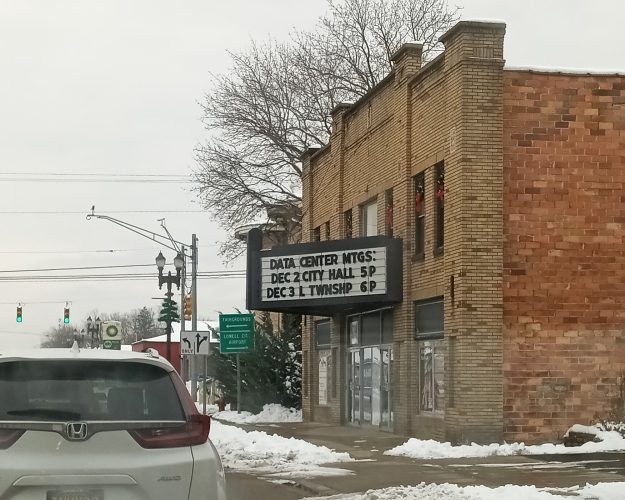
- December 2025: Local residents in Lowell, Michigan, held high-profile public discussions regarding the pros and cons of proposed data centers. These meetings became a blueprint for grassroots organizing in other rural states.
- March 2026: Farmers in rural Pennsylvania and Ohio began a coordinated campaign against the use of eminent domain for data center transmission lines, arguing that "digital infrastructure" should not take precedence over food security.
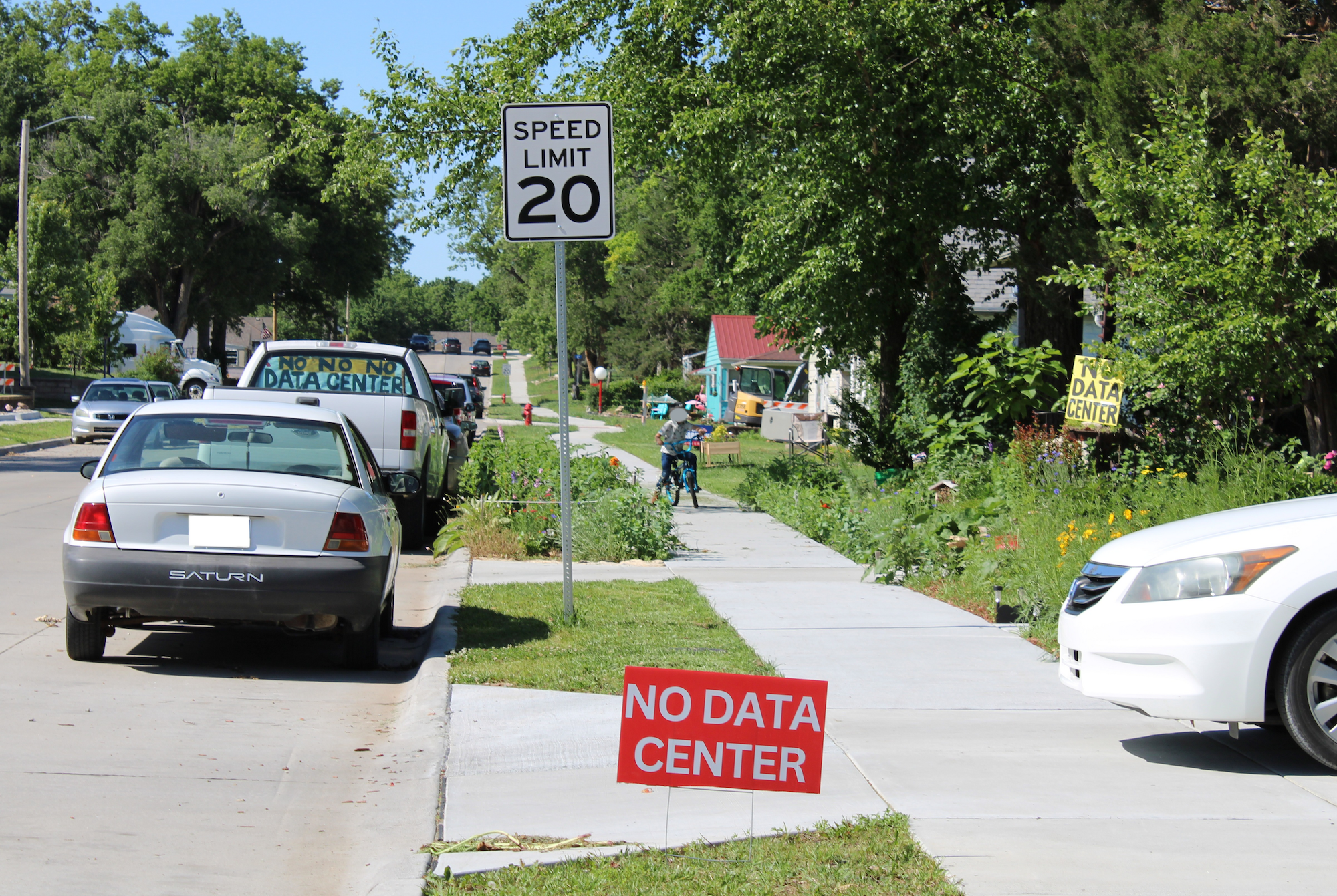
- May 2026: National attention turned to Kansas, where "No Data Center" signs became a common sight in rural counties. Simultaneously, the Trump administration’s efforts to limit pollution liability for AI infrastructure sparked a wave of lawsuits from environmental groups.
- June 2026: Ipsos released polling showing the massive unpopularity of local data center construction. Within weeks, Maine’s Governor Mills exited the Senate race, and New York’s legislature passed its moratorium bill.
Broader Implications and Future Outlook
The "data center rebellion" signifies a broader shift in American politics regarding the tech industry. For years, data centers were seen as "clean" industry compared to manufacturing or mining. That perception has evaporated as the sheer physical requirements of the AI era become visible to the average voter.
The implications for the November midterms are significant. Candidates who fail to address concerns regarding the electrical grid and water rights may find themselves vulnerable to populist challengers on both the left and the right. Furthermore, this movement is forcing a conversation about national priorities: should the United States prioritize global AI dominance and the wealth of tech conglomerates, or the resource security of its own municipalities?
As the election approaches, the data center issue serves as a proxy for larger anxieties about the wealth gap and the perceived replacement of human labor by artificial intelligence. For local officials, the message from the electorate is clear: the promise of "jobs of the future" is no longer enough to justify the depletion of the resources of today.
The current trend suggests that the era of "unchecked" data center expansion is coming to an end. Whether through zoning ordinances, statewide moratoriums, or federal legislative action, the next administration—and the next Congress—will likely be forced to establish a more rigorous regulatory framework that balances technological ambition with community consent and environmental sustainability. In the interim, the "No Data Center" signs in rural Kansas and the moratoriums in New Jersey serve as a stark reminder that in the digital age, the most valuable currency remains the ground beneath one’s feet and the water in the well.
