

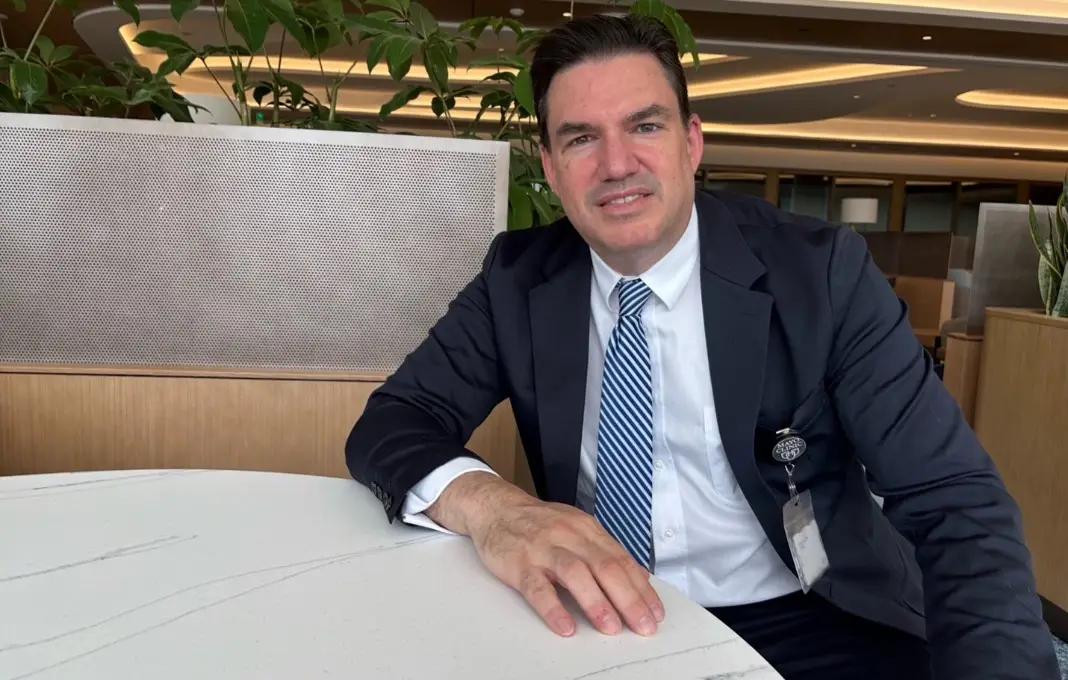
The relentless demands placed upon Chief Executive Officers (CEOs) and senior executives are widely acknowledged, and the toll on their health is a persistent concern. Recognizing this critical intersection of leadership and well-being, Chief Executive magazine has partnered with the esteemed Mayo Clinic Executive Health program to delve into the often-overlooked aspects of maintaining optimal health for those at the pinnacle of corporate responsibility. This initiative, aimed at providing actionable insights, has culminated in a series of articles, with this piece focusing on the essential health strategies for leaders, as articulated by Dr. Ryan T. Hurt, a leading physician in Mayo Clinic’s Executive Health program.
The Business Imperative of Executive Health
The opening of Mayo Clinic’s expansive new 75,000-square-foot Executive Health center in Rochester, Minnesota, in July, underscores a profound shift in perspective: the health of a CEO is not merely a personal matter; it is a critical business imperative. This philosophy is championed by Dr. Ryan T. Hurt, a Professor of Medicine and Division Chair of General Internal Medicine at Mayo Clinic. With over a decade dedicated to studying the intricate links between clinical nutrition, physiology, and preventive medicine, Dr. Hurt has applied his expertise to a unique and high-stakes patient demographic: sitting CEOs and senior executives. His work, including co-authorship of a forthcoming research paper from a joint Mayo Clinic-Chief Executive study on C-Suite health in America, highlights the significant impact executive well-being has on organizational success and, by extension, societal contributions.
Dr. Hurt’s observations, gleaned from thousands of patient appointments and extensive research, reveal a growing awareness among CEOs regarding health and longevity. However, this heightened awareness is often accompanied by a susceptibility to misinformation and the pursuit of non-evidence-based interventions.
Addressing Misconceptions and the Allure of Unproven Therapies
“Many CEOs are becoming more aware of health and longevity. They want to learn about how can they live longer, healthier lives. We call that healthspan,” Dr. Hurt explains. “The challenge is there’s a lot of things out there that aren’t necessarily good practices that sometimes CEOs and other execs will partake in, like peptides that are non-FDA approved.”
This pursuit of quick fixes and unverified solutions is a recurring theme. Dr. Hurt recounts common queries: “‘Hey, my friend injects himself with testosterone every week. Should I be doing that?’ What we do is we individualize the care and we answer questions based on their individualized approach for each one of these patients.”
The prevalence of such misinformation is a significant concern. “Absolutely. They’re focusing on the wrong things,” Dr. Hurt states emphatically. He emphasizes the importance of understanding the root cause behind these inquiries. “What you should ask them is, ‘Well, tell me about why you wanted to get that test, or why did you want to get that injection? Tell me more.’ And that’s what I usually dig into in that 90-minute appointment where they’ve never really discussed that with anybody before.”
A striking example of this misguided focus involves advanced diagnostic imaging. “Why do you want to get that full body scan? Well, you know what, my friend died of pancreatic cancer, and my primary care doctor told me there’s no good test for pancreatic cancer,” Dr. Hurt relays. “And so when you really dig to the root, instead of getting that full body scan, let’s do the Grail test [an expansive blood test for cancer markers]. So let’s do that because it’s less problematic than getting a whole body scan at this point.” This highlights a critical need for personalized, evidence-based guidance over broad, potentially unnecessary, and sometimes harmful diagnostic approaches.
The Pillars of Sustainable Executive Health
Dr. Hurt identifies three fundamental pillars that are paramount for enhancing healthspan and are consistently overlooked by many executives: muscle mass, adequate protein and fiber intake, and quality sleep.
The Crucial Role of Resistance Training
Contrary to popular belief, excessive aerobic exercise alone is insufficient for optimal long-term health. Dr. Hurt stresses the indispensable role of muscle mass. “Key to longevity is muscle. I’ll ask them, what are they doing for resistance training? And most of my CEOs are running, they’ll do a ton of aerobic exercise, but virtually none of them are doing dedicated resistance training.”
The scientific evidence supporting resistance training is compelling. Studies have consistently shown that maintaining muscle mass is directly correlated with reduced mortality risk and improved metabolic health. For instance, research published in the Journal of the American Geriatrics Society indicates that sarcopenia, the age-related loss of muscle mass, is associated with a significantly increased risk of mortality.
Dr. Hurt advocates for a minimum of 90 to 120 minutes of resistance training per week. He offers practical solutions for busy executives, even incorporating fitness into his own demanding schedule. “I have dumbbells in my office. When I’m on a zoom call, one day I do biceps and back, the next day I do shoulders and legs. I do it right here at work. I’ve cut my percent body fat from like high 20s to 19 percent body fat, which is really good.”
Optimized Nutrition for Muscle and Metabolism
Fueling these essential muscles requires a strategic approach to nutrition. “To fuel those muscles, we need adequate protein. Most people are doing protein wrong,” Dr. Hurt observes. He recommends a daily protein intake of 1 to 1.2 grams per kilogram of body weight, emphasizing the importance of distributing this intake throughout the day for optimal absorption and muscle synthesis.
Beyond protein, fiber intake is another often-neglected component of a healthy diet. “And then fiber—we should be 25 to 30 grams per day. Most of us are falling short,” he states. Insufficient fiber intake can contribute to a range of health issues, including digestive problems, impaired blood sugar control, and increased risk of certain chronic diseases. The recommended daily intake of dietary fiber, as outlined by the Academy of Nutrition and Dietetics, aims to support digestive health, regulate blood sugar levels, and contribute to feelings of fullness, aiding in weight management.
The Unsung Hero: Sleep
Sleep, often the first casualty of a demanding executive schedule, is critically important for cognitive function, physical recovery, and overall health. Dr. Hurt debunks the myth of needing only a few hours of sleep. “And then the third pillar is sleep. That’s the hardest one. The myth of ‘I only need five hours’—it’s about 1 to 2 percent that probably need only about five hours of sleep genetically. The rest of us need seven to eight. That’s the sweet spot.”
The prevalence of insomnia among executives is a significant concern. “The problem with CEOs is they’ll go to bed late and they’ll wake up multiple times at night, and sometimes they can’t get back to sleep because they’re thinking about that meeting. Insomnia is very prevalent in CEOs and execs.” Chronic sleep deprivation has been linked to a cascade of negative health outcomes, including impaired judgment, increased stress hormone levels, weakened immune function, and a higher risk of cardiovascular disease and metabolic disorders.
Leveraging Technology for Health Insights
In an era of rapid technological advancement, wearables and other health-tracking devices are becoming increasingly sophisticated tools for monitoring and improving health. Dr. Hurt is an advocate for their judicious use. “I love wearables. I’m a wearable guy. I’ve researched a ton of the wearables. Probably a dozen of my peer reviewed papers have been in wearables.”
He highlights the practical application of wearable data in his practice. “I like the Oura ring. What I’ll do is I’ll say, ‘Here’s what I want you to do—I want you to have good seven hours of quality sleep. Let’s review your data. Oh look, your oxygen actually is dropping. We need to screen you for obstructive sleep apnea.’” This proactive approach, driven by objective data, can lead to early detection and intervention for serious health conditions.
The future integration of artificial intelligence with wearable data holds immense promise. “We’re building AI agents to eventually be able to have people feed in their wearable data and have an agent say, here’s some recommendations for you based on that data,” Dr. Hurt reveals. This suggests a future where personalized health advice is readily accessible and dynamically updated based on individual physiological data.
A Generational Shift Towards Holistic Well-being
While the challenges of executive health are universal, there appear to be generational shifts in attitudes towards well-being and proactive healthcare. Dr. Hurt observes a stark contrast between older generations and younger ones. “In general there are generational differences. The greatest generation, boy, they will self-neglect themselves right up to death. ‘I’m not going to go to the doctor—that’s where you go to die,’ because that’s what they experienced in the Great Depression. ‘Hospitals are places you go to die.’”
In contrast, the Baby Boomer generation, as they approach and enter retirement, are demonstrating a greater interest in longevity and preventive health strategies. “I think as you get into the boomers kind of getting in that retirement age and retiring, they really want to pivot to some of these longevity techniques, and they’ll do anything, they’ll try anything to extend that lifespan.”
This evolving mindset extends to the acceptance of practices previously considered unconventional. “Meditation’s a core part of that. They know that the mind brain is an important piece. If their mind is healthy, then they’re going to be healthier longer,” Dr. Hurt notes. This integration of mind-body practices reflects a growing understanding of the interconnectedness of mental and physical health.
Furthermore, there’s an increasing desire for alternatives to pharmaceutical interventions. “But I also think in general we’re more probably accepting of some of these novel technologies. Everybody wants the alternative to pills and medicine, which I think is okay. A lot of the integrative medicine that we practice here is outside of medications. It is that mind body, that meditation kind of connecting the whole body, if you will.”
The Limitations of Traditional Primary Care and the Value of Executive Health
The constraints of the traditional healthcare system often hinder the implementation of comprehensive preventive medicine. “Good family practice, good primary care can do preventative medicine. The problem is if you only have 15 minutes in a primary care appointment, the way this healthcare system’s set up is we cut out all the preventative stuff. Because we have to address the pain with walking, all the acute medical issues and sometimes the chronic issues like the diabetes, the high blood pressure. And then we usually at the end write you some medication that gets you out the door.”
The Mayo Clinic Executive Health program, with its dedicated 90-minute appointments, offers a distinct advantage. This extended timeframe allows for a deep dive into preventative strategies. “Here, the focus is that 90-minute visit with each patient. And a big chunk of that is the preventative medicine.” This includes thorough reviews of vaccination status, with emerging data suggesting benefits beyond immediate prevention. “I review all your vaccines—shingles vaccine, very important not only for prevention of shingles, but there’s emerging data that suggests that it probably helps with prevention of dementia.”
The program also stays abreast of evolving medical guidelines, ensuring patients receive up-to-date recommendations. “I pick up every week patients that I see in executive health when I’m going through the checklist. ‘You have a first degree relative that has a history of colon cancer—we recommend colonoscopy now at age 45.’ A lot of execs don’t even know that that timeframe has moved down because we’re seeing earlier GI cancer.”
The Quintessential Advice for Leaders
When pressed for the single most impactful piece of advice he offers to CEOs, Dr. Hurt reiterates the foundational principles. “Back to those three. Resistance training—when they say, ‘I can’t get to the gym,’ I say, what do you do in your office? Let’s get some dumbbells. ‘Well, I travel a lot.’ Well, put a pack of resistance bands in your bag and every day, 15 to 20 minutes, work on different muscle groups. Ninety to 120 minutes per week. You’ll pop out of that chair quicker, you’ll feel better.”
His nutritional advice remains concise and critical: “Most people are doing protein wrong. We want one to 1.2 grams per kilogram of your body weight per day. And then fiber, enough fiber per day. Those are my just two nutrition tips.”
And finally, the cornerstone of recovery and cognitive function: “And then sleep. So those are my three pearls. It is amazing to me, almost every single patient, unless they’ve seen me before or seen one of my colleagues that preaches these things, how very few are doing those things right.” This direct assertion underscores the urgent need for executives to prioritize these fundamental, yet often neglected, aspects of their health to ensure not only personal well-being but also sustained leadership effectiveness.
