

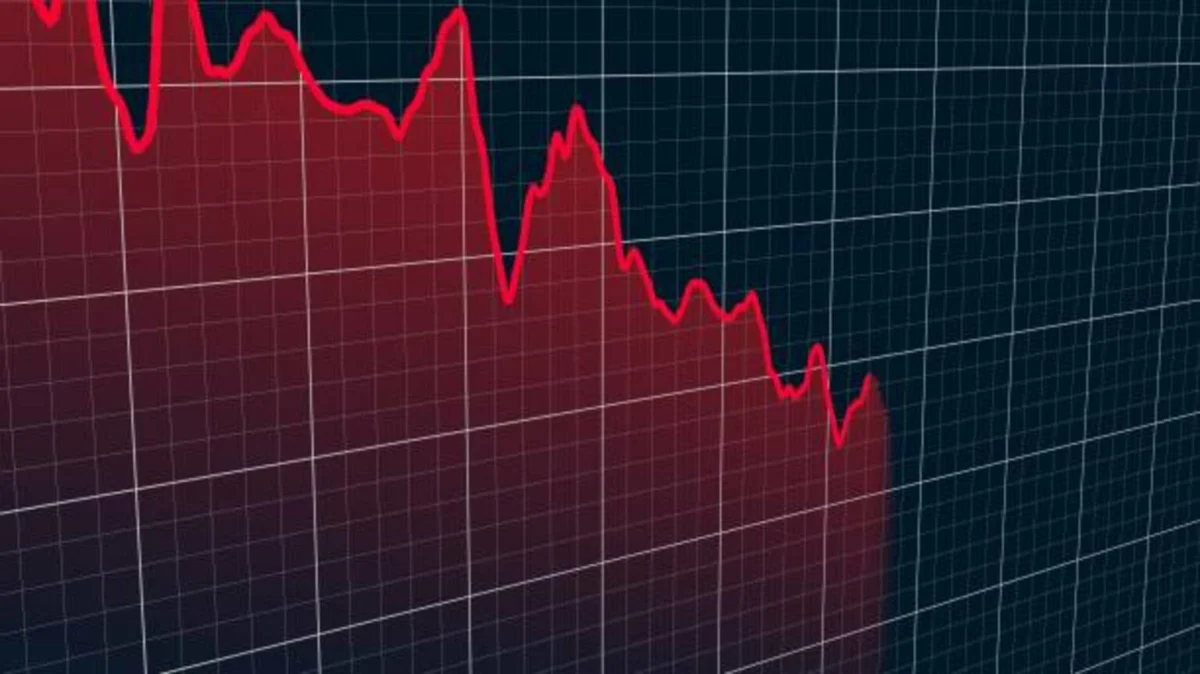
The global financial landscape is currently grappling with a severe and protracted market downturn, characterized by sharp declines across major equity indices, heightened volatility, and a pervasive sense of investor apprehension. This significant contraction, visually epitomized by the steep downward trajectory of stock charts globally, reflects a confluence of persistent inflationary pressures, aggressive monetary tightening by central banks, escalating geopolitical tensions, and an increasingly fragile global growth outlook. The synchronized nature of this downturn suggests systemic vulnerabilities, moving beyond sector-specific corrections to a broader recalibration of risk across asset classes, with profound implications for businesses, consumers, and policymakers worldwide.
The Genesis of the Downturn: A Perfect Storm of Macroeconomic Factors
The current market turmoil is not an isolated event but rather the culmination of several interconnected macroeconomic shifts that began to manifest in late 2021 and accelerated significantly through 2022 and into the present period. Initially, the primary concern was persistent inflation, which central banks, including the U.S. Federal Reserve and the European Central Bank, initially characterized as "transitory." However, a combination of robust post-pandemic demand, exacerbated by ongoing supply chain disruptions, particularly from East Asia, and the disruptive effects of the conflict in Eastern Europe on energy and food commodity markets, transformed inflation into a structural challenge.
The energy crisis, specifically, has played a pivotal role. Disruptions to natural gas supplies, particularly affecting Europe, led to unprecedented price spikes, driving up utility costs for businesses and households and feeding into broader inflationary trends. Concurrently, global food prices surged due to supply constraints, export restrictions, and adverse weather patterns, disproportionately impacting emerging economies but also contributing to cost-of-living crises in developed nations. These inflationary pressures forced central banks to pivot sharply from accommodative monetary policies to aggressive tightening cycles, marking the fastest pace of interest rate hikes in decades. While necessary to combat inflation, these rate increases have simultaneously raised borrowing costs, dampened investment, and increased the risk of economic recession, thus creating a challenging environment for corporate earnings and equity valuations.
Chronology of Market Volatility and Policy Responses
The current market decline has unfolded over a discernible timeline, marked by key economic releases, geopolitical developments, and central bank actions:
- Q4 2021 – Q1 2022: Initial signs of persistent inflation emerge, with CPI readings consistently exceeding central bank targets. Major central banks, including the Federal Reserve, signal an end to quantitative easing programs and hint at future rate hikes. Geopolitical tensions in Eastern Europe escalate, leading to a build-up of uncertainty.
- February 2022: The outbreak of significant conflict in Eastern Europe sends shockwaves through global commodity markets. Oil prices surge past $100 a barrel, natural gas prices in Europe hit record highs, and agricultural commodity futures climb sharply. This event fundamentally alters the global economic outlook, adding significant inflationary pressure and supply chain instability.
- March – May 2022: Central banks begin their aggressive tightening cycles. The Federal Reserve initiates its first rate hike since 2018, followed by subsequent, larger increases. The European Central Bank, initially more cautious, signals its intent to follow suit as inflation broadens across the Eurozone. Concerns about "stagflation" – a combination of high inflation and low economic growth – gain traction among economists.
- June – August 2022: Major equity indices enter bear market territory. The S&P 500 officially drops more than 20% from its peak. Corporate earnings reports reveal increasing cost pressures, leading to downward revisions in profit forecasts across various sectors. Consumer confidence indices decline sharply in major economies, reflecting growing concerns over the cost of living and job security. Bond yields, particularly for short-term government debt, rise dramatically as markets price in further rate hikes, leading to an inversion of the yield curve in some regions, a traditional precursor to recession.
- September – November 2022: The market sell-off intensifies as central banks reiterate their commitment to fighting inflation, even at the risk of inducing a recession. Major tech stocks, particularly vulnerable to higher interest rates due to their growth-oriented valuations, experience significant losses. Currency markets witness extreme volatility, with the U.S. dollar strengthening considerably against other major currencies, creating additional headwinds for countries with dollar-denominated debt. Emerging markets face capital outflows and increased debt servicing costs.
- December 2022 – Present: Despite some intermittent rallies, the overall trend remains negative. Economic data releases continue to show slowing growth and sticky inflation, challenging the narrative of a swift resolution. Energy market volatility persists, and geopolitical risks remain elevated. Businesses announce hiring freezes and cost-cutting measures, fueling fears of rising unemployment.
Supporting Data and Market Performance Metrics
The severity of this downturn is underscored by a range of alarming financial and economic indicators:
- Equity Market Declines: As of the latest available data, the S&P 500 has registered a cumulative decline of approximately 23% from its January 2022 peak, with the tech-heavy Nasdaq Composite experiencing an even steeper drop of around 35%. European indices like the Euro Stoxx 50 and Germany’s DAX have fallen by 18% and 20% respectively, while the UK’s FTSE 100 has shown relative resilience, down about 10%, primarily due to its heavier weighting in commodity and financial stocks.
- Sectoral Impact: Growth sectors, particularly technology and discretionary consumer goods, have borne the brunt of the sell-off. Companies in the software, e-commerce, and semiconductor industries have seen valuations compress dramatically. Conversely, defensive sectors such as utilities and healthcare initially provided some sanctuary, though even these have begun to feel the pressure as broader economic fears mount. Energy companies saw significant gains in the early stages due to surging commodity prices but have recently faced headwinds from demand destruction fears.
- Bond Market Turmoil: Government bond markets, traditionally seen as safe havens, have also experienced significant disruption. The yield on the U.S. 10-year Treasury note surged from under 1.5% at the start of 2022 to over 4.2% at its peak, indicating a dramatic repricing of interest rate expectations. This rapid rise in yields has negatively impacted fixed-income portfolios and increased borrowing costs for governments and corporations alike.
- Inflationary Pressures: Global inflation rates have reached multi-decade highs. The U.S. Consumer Price Index (CPI) peaked at 9.1% year-over-year in mid-2022, while the Eurozone’s Harmonised Index of Consumer Prices (HICP) hit 10.6% in October 2022. Food inflation, in particular, has been a significant contributor, with global food prices rising by an average of 15-20% year-on-year in many regions.
- GDP Growth Revisions: Economic forecasts have been consistently downgraded. The International Monetary Fund (IMF) revised its global growth projection for 2023 downwards multiple times, from an initial 3.8% to a more pessimistic 2.7%, warning that "the worst is yet to come." Several major economies, including Germany and the UK, are now widely expected to enter technical recessions.
- Consumer Sentiment: The University of Michigan Consumer Sentiment Index in the U.S. dropped to its lowest level in over a decade in mid-2022, reflecting deep pessimism about economic prospects and personal finances. Similar declines have been observed in European consumer confidence surveys.
Official Responses and Institutional Reactions
In response to the deteriorating economic outlook, central banks and governmental bodies have been actively engaged in policy adjustments and communications:
- Central Banks: Officials from the Federal Reserve, European Central Bank, and Bank of England have consistently emphasized their primary mandate to restore price stability. Jerome Powell, Chair of the Federal Reserve, stated, "We will keep at it until we are confident the job is done," indicating a resolute commitment to combating inflation even if it entails economic pain. Christine Lagarde, President of the ECB, has reiterated the bank’s determination to bring inflation back to its 2% medium-term target, highlighting the need for "further interest rate increases." These statements, while aimed at anchoring inflation expectations, have also signaled a less supportive monetary environment for risk assets.
- Government Officials: Finance ministers and heads of state have acknowledged the challenging economic climate. Many governments have introduced targeted fiscal measures to alleviate the cost-of-living crisis for vulnerable households, such as energy subsidies and tax cuts. However, these measures often face criticism for potentially exacerbating inflationary pressures or contributing to rising national debt. Political leaders have also called for greater international cooperation to address energy security and supply chain resilience.
- International Monetary Fund (IMF) and World Bank: Both institutions have issued stark warnings about the growing risks of a global recession and a potential debt crisis, particularly in emerging markets. Kristalina Georgieva, Managing Director of the IMF, has urged countries to adopt sound fiscal policies, protect vulnerable populations, and enhance multilateral cooperation to navigate the "dark and uncertain" economic waters. The World Bank has highlighted the disproportionate impact of rising food and energy prices on the world’s poorest populations.
Corporate Reactions and Investor Sentiment
The prevailing market conditions have compelled corporations to adapt, while investor sentiment has shifted dramatically:
- Corporate Adjustments: Companies across various sectors have initiated cost-cutting measures, including hiring freezes, workforce reductions, and reassessments of capital expenditure plans. Technology giants, once seen as impervious to economic cycles, have announced significant layoffs. Retailers are reporting cautious consumer spending and managing inventory levels more conservatively. Supply chain diversification and near-shoring are becoming strategic priorities to mitigate future disruptions.
- Investor Behavior: The flight to safety has become a dominant theme, with investors reallocating capital towards less volatile assets. Cash holdings have increased, and demand for inflation-protected securities has risen. The Cboe Volatility Index (VIX), often referred to as the "fear gauge," has frequently spiked above its historical average, reflecting elevated market anxiety. Institutional investors are adopting a more defensive posture, prioritizing balance sheet strength and dividend stability over aggressive growth plays. Retail investors, particularly those who entered the market during the pandemic boom, have faced significant losses and are demonstrating increased caution.
Broader Impact and Implications for the Global Economy
The prolonged market downturn carries significant implications that extend far beyond financial portfolios:
- Economic Recession Risk: The most immediate and pressing implication is the elevated risk of a global economic recession. Higher interest rates dampen consumer spending and business investment, while geopolitical uncertainties erode confidence. A widespread recession would lead to increased unemployment, reduced corporate profitability, and potential challenges to financial stability.
- Stagflation Concerns: The combination of high inflation and slowing growth revives the specter of stagflation, a phenomenon not widely seen since the 1970s. This scenario presents a particularly difficult challenge for central banks, as traditional monetary policy tools designed to combat inflation (rate hikes) can exacerbate growth slowdowns, and tools to stimulate growth (rate cuts) can fuel inflation.
- Sovereign Debt Vulnerabilities: Rising interest rates increase the cost of servicing government debt, particularly for nations with high debt-to-GDP ratios. This could lead to fiscal crises in some countries, especially emerging markets that borrow in foreign currencies, exacerbating global financial instability.
- Social and Political Unrest: The cost-of-living crisis, fueled by inflation and economic slowdown, can lead to widespread social discontent and political instability. Governments face immense pressure to address these issues, often with limited fiscal space.
- Investment and Innovation: A prolonged period of economic uncertainty and higher borrowing costs could stifle investment in critical areas, including green technologies and infrastructure projects, potentially delaying the transition to a sustainable global economy. Start-ups and smaller businesses, which rely heavily on access to capital, may find it challenging to secure funding.
- Global Cooperation Challenges: In an environment of economic nationalism and geopolitical fragmentation, effective international cooperation on critical issues such as climate change, trade, and financial stability becomes more difficult.
The current market downturn serves as a stark reminder of the interconnectedness of global finance and economics. While central banks remain steadfast in their mission to tame inflation, the path ahead is fraught with uncertainty. The depth and duration of this economic contraction will depend heavily on the evolution of geopolitical events, the effectiveness of monetary and fiscal policy responses, and the resilience of global supply chains. Navigating this complex landscape will require agility, prudence, and potentially a re-evaluation of long-held economic assumptions from policymakers, businesses, and investors alike. The visual of a rapidly declining stock chart encapsulates not just a financial correction, but a profound shift in the global economic paradigm, demanding vigilance and strategic adaptation from all stakeholders.
