

Government investigators in Canada have launched a multi-agency probe into what experts are calling one of the most significant privacy breaches in the nation’s history, involving the personal data of nearly 3 million Alberta residents. The scandal centers on the Centurion Project, a prominent organization within Alberta’s separatist movement, which allegedly utilized unauthorized voter lists to power a mobile application designed to mobilize support for an upcoming referendum on provincial independence. In a development that has heightened diplomatic tensions, the investigation has uncovered deep ties between the Alberta separatist leadership and 10x Votes, a Michigan-based political technology firm with close connections to the 2024 campaign of United States President Donald Trump and former U.S. Ambassador to Canada Pete Hoekstra.
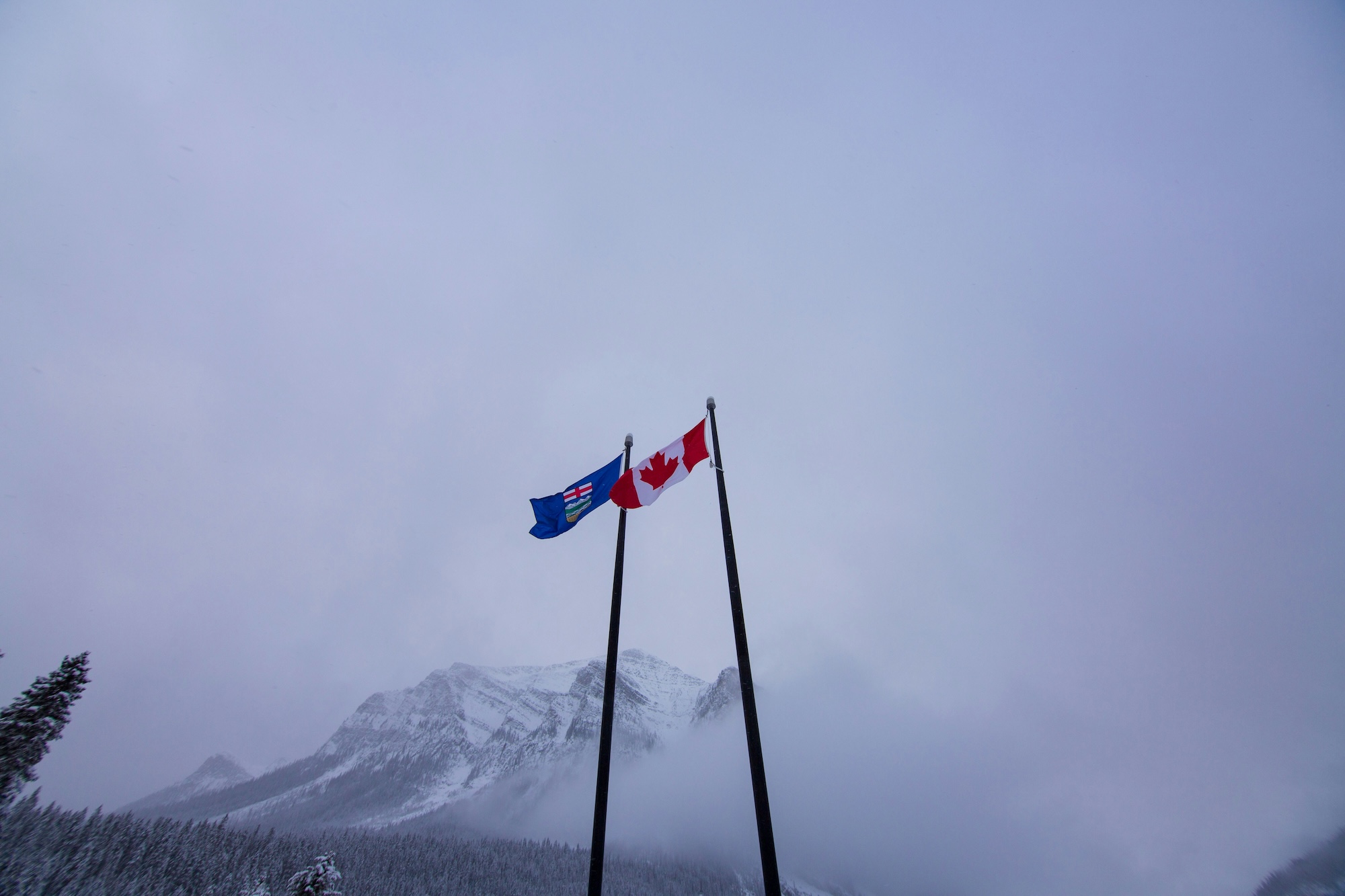
The controversy arrives at a critical juncture for the province. This fall, Alberta residents are scheduled to participate in a historic ballot referendum to decide whether the province should remain part of the Canadian confederation or initiate the legal process of becoming a sovereign nation. What was once considered a fringe movement has moved into the political mainstream, driven by long-standing grievances over federal climate policies, economic transfers, and regional identity. However, the revelation of a massive data breach and allegations of foreign political interference have cast a shadow over the legitimacy of the separatist campaign and raised urgent questions about the security of Canadian democratic processes.
The Genesis of the Privacy Breach and the Centurion Project
The investigation was triggered earlier this year when an official at Elections Alberta, the independent administrative agency responsible for provincial elections, discovered a leaked training video on YouTube. The video, produced by the Centurion Project, showcased a sophisticated database that exposed the personal information of millions of Albertans. Upon reviewing the footage, investigators determined that the database contained names, home addresses, and polling station numbers—highly sensitive information derived from an official provincial voter list that the Centurion Project was not authorized to possess, view, or redistribute.
The Centurion Project, led by political strategist David Parker, reportedly integrated this data into a searchable app designed for grassroots organizing. The app’s primary function was to allow separatist volunteers to identify and target specific residents to build momentum for the independence referendum. While the organization has denied intentional wrongdoing, claiming the datasets were obtained from a third-party provider, Canadian authorities have moved swiftly to contain the fallout.
In April, David Parker was served with a formal summons as part of the investigation. Since then, the app has been deactivated, and the database has become the subject of three concurrent investigations led by Elections Alberta, the Royal Canadian Mounted Police (RCMP), and the Office of the Information and Privacy Commissioner of Alberta. Legal experts suggest that if the Centurion Project is found to have knowingly used illegally obtained government data, the organization and its leadership could face severe penalties under the Election Act and provincial privacy laws.
The Michigan Connection: 10x Votes and US Political Influence
The scandal has taken on an international dimension following reports that the technology used by the Centurion Project was developed in collaboration with 10x Votes, an organization based in West Michigan. 10x Votes gained prominence in the United States for developing a voter turnout application that was instrumental in President Donald Trump’s 2024 re-election strategy. The app functions by allowing users to "claim" ten infrequent voters within their personal networks and use peer-to-peer influence to ensure they cast ballots.
According to investigative reports from Canadian outlets PressProgress and the National Observer, David Parker worked with 10x Votes for nearly two years to adapt their software for use in Alberta. The National Observer further reported finding actual Alberta voter data on the 10x Votes website, suggesting that the U.S.-based firm may have handled or processed the sensitive information of Canadian citizens.
The connection is further complicated by the involvement of Pete Hoekstra, the Trump-appointed U.S. Ambassador to Canada. Hoekstra, who also served as the chair of the Michigan Republican Party, has been a vocal proponent of the 10x Votes app in the United States. While Hoekstra has denied direct knowledge of the app being used by Alberta separatists, his personal relationship with the founders of 10x Votes—two wealthy political operatives from West Michigan—has drawn intense scrutiny.
The prospect of American political operatives and technology being used to destabilize the Canadian confederation has provoked an outcry from across the political spectrum. The editorial board of the Winnipeg Free Press reflected a common sentiment, stating, "Foreign nationals helping Canadian separatists is simply not acceptable." Critics have called on Canadian Premier Mark Carney to declare Hoekstra persona non grata, a move that would effectively expel the ambassador and signal a major diplomatic rift between Ottawa and Washington.
The Economic and Environmental Drivers of "Wexit"
The Alberta separatist movement, often colloquially referred to as "Wexit" (Western Exit), is distinct from the cultural and linguistic separatism seen in Quebec. In Alberta, the drive for independence is almost exclusively rooted in economics, specifically the province’s vast fossil fuel wealth and its relationship with the federal government.
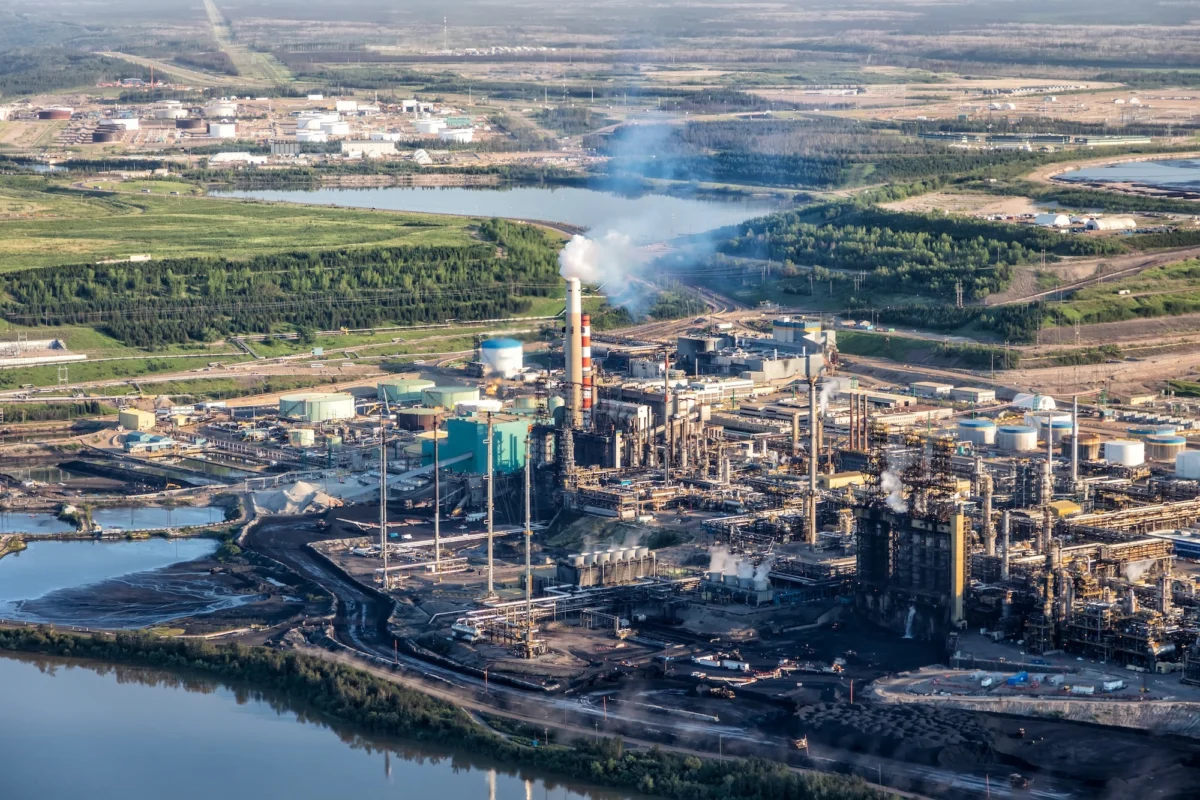
Alberta is home to the Athabasca oil sands, which contain an estimated 167 billion barrels of oil reserves. This represents approximately 10 percent of the world’s total proven oil reserves, dwarfing the total reserves of the United States. Proponents of independence argue that Alberta’s economy is being stifled by federal climate policies, such as the carbon tax and restrictions on pipeline development, as well as the "equalization" program. Under the Canadian Constitution, the federal government redistributes wealth from "have" provinces like Alberta to "have-not" provinces to ensure a consistent level of public services across the country. Separatists argue that Albertans contribute billions more to the federal treasury than they receive in return, effectively subsidizing the rest of Canada.
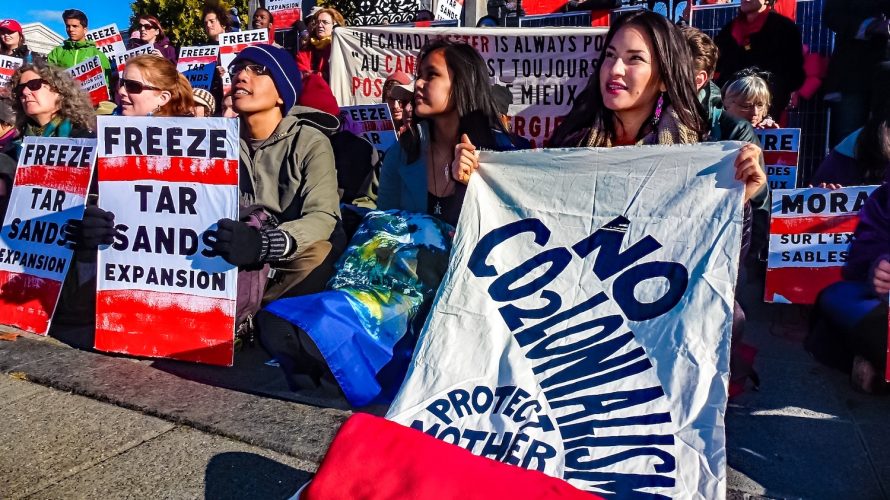
However, the extraction of oil from tar sands is a carbon-intensive process, involving the mining of bitumen-rich soil. This has led environmentalists to label the reserves a "carbon bomb," warning that full exploitation would make it impossible for Canada—or an independent Alberta—to meet international climate goals. The landlocked nature of the province also presents a significant hurdle. Without access to Canadian or American coastlines, an independent Alberta would remain dependent on its neighbors to export its oil to global markets.
Recent developments, such as the expansion of the Trans Mountain Pipeline and the fast-tracking of the Bridger oil pipeline by the Trump administration, have provided a temporary boost to the industry. Yet, financial analysts from S&P Global suggest that production in the oil sands may peak as early as 2030, raising doubts about the long-term viability of a sovereign state built solely on a single, volatile commodity.
The Financial Reality of Sovereignty
As the referendum approaches, Alberta Premier Danielle Smith has introduced a sobering counter-narrative to the separatist promise of prosperity. Earlier this week, the provincial government released a comprehensive cost estimate for the establishment of an independent Alberta state. The figures were staggering.
According to the government’s analysis, creating a fully functioning independent government—including a new military, a national currency, border security, and a diplomatic corps—would cost approximately $400 billion annually. When broken down per capita, this equates to roughly $80,000 for every man, woman, and child in the province each year.

"The math simply does not support the dream of a low-tax, high-wealth independent state," Premier Smith noted during a press conference in Calgary. The report highlights that while Alberta would stop paying into the federal equalization pool, it would lose access to federal transfers for healthcare and social services, while simultaneously inheriting its share of the Canadian national debt—a figure estimated to be in the hundreds of billions of dollars.
Diplomatic Strains and the Path Forward
The intersection of a domestic separatist movement and foreign political influence comes at a time of heightened fragility for Canada-U.S. relations. President Trump’s rhetoric regarding Canada has been increasingly adversarial, characterized by threats of sweeping tariffs and derogatory references to the nation as the "51st state." The involvement of Trump allies in a project that seeks to dismantle the Canadian state has only added fuel to the fire.
As the investigations by the RCMP and Elections Alberta continue, the political fallout is expected to intensify. David Parker has reportedly left Canada and is not currently cooperating with investigators, further complicating the legal process. Meanwhile, the upcoming referendum in October remains on the calendar, though the scandal has shifted the focus from policy debates to questions of integrity and national security.
The outcome of the referendum will have profound implications not only for the future of the Canadian confederation but also for the stability of the North American energy market and the precedent for foreign interference in democratic elections. For now, Alberta remains a province divided, caught between a deep-seated desire for autonomy and the harsh realities of global economics and international law. Whether the "Centurion Project" scandal will be the undoing of the separatist movement or a catalyst for further defiance remains to be seen, but the eyes of both Ottawa and Washington are firmly fixed on the unfolding crisis in the West.
