

A landmark bipartisan affordable housing bill, designed to limit the purchasing power of major institutional investors in the single-family home market and increase the national housing supply, is set for a crucial vote in the Senate on Monday. This anticipated vote marks a significant legislative breakthrough following months of intricate debate and negotiation across both chambers of Congress, signaling a rare moment of bipartisan consensus on a critical economic issue. The legislation, which has garnered support from across the political spectrum, aims to tackle the nation’s persistent housing crisis, a challenge that has seen homeownership become increasingly elusive for millions of Americans and rental costs skyrocket.
Legislative Breakthrough on Housing Affordability
The bill, officially known as the "ROAD to Housing Act" (Restoring Our American Dream to Housing), represents a concerted effort to address the structural imbalances plaguing the U.S. housing market. Its core objective is twofold: to enhance the supply of available homes and to curtail the growing influence of private equity firms and large institutional investors who have increasingly acquired vast portfolios of single-family residences, often converting them into rental properties. This trend, critics argue, has contributed to escalating home prices and exacerbated the inventory shortage for individual homebuyers, particularly first-time purchasers. After the Senate’s expected passage, the bill will move to the House for a vote later this week, where its prospects are also considered strong following the recent bipartisan agreement.
Senator Adam Schiff, a Democrat from California and a vocal proponent of the legislation, underscored the urgency of the moment in a post on X on Sunday. "America is facing a housing crisis, and it’s long past time for Congress to act," Schiff wrote. "The bipartisan ROAD to Housing Act will boost our housing supply & stop private equity from buying up single-family homes – and bring costs down." His sentiment reflects a broader recognition among lawmakers that housing affordability has become a kitchen-table issue demanding immediate federal intervention.
Addressing America’s Deepening Housing Crisis
The impetus for this legislation stems from a housing market characterized by an acute shortage of homes, particularly entry-level and mid-range properties, coupled with rapidly escalating prices. For years, demand has consistently outstripped supply, driven by factors such as underbuilding since the 2008 financial crisis, restrictive zoning laws, rising construction costs, and a growing population. The U.S. Chamber of Commerce estimates a national shortage of over 4.7 million homes, a figure that paints a stark picture of the challenge. Median home prices across the country have surged by over 40% since the beginning of the COVID-19 pandemic, far outpacing wage growth and pushing homeownership out of reach for many working families and young professionals. Rental markets have experienced similar pressures, with average rents increasing significantly, further straining household budgets. This confluence of factors has created a crisis of affordability that transcends economic demographics and geographic regions, impacting urban centers, suburban communities, and even some rural areas. The problem is particularly acute for minority groups and lower-income households, who are disproportionately affected by rising housing costs and often face systemic barriers to homeownership.
The Role of Institutional Investors in a Strained Market
A key element driving the legislative action is the increasingly prominent role of large institutional investors and private equity firms in the single-family housing market. Over the past decade, and particularly following the 2008 housing collapse and the subsequent recovery, these entities have become significant players, often acquiring homes in bulk, sometimes sight-unseen, with cash offers that individual buyers cannot match. They frequently target properties in rapidly growing Sun Belt states and desirable suburban areas, converting them into rental units. While some argue that these investors provide much-needed rental supply and professional management, critics contend that their large-scale purchases reduce the inventory available for owner-occupants, inflate home prices, and alter the character of neighborhoods. Data from various real estate analytics firms indicate that institutional buyers, though representing a smaller percentage of overall transactions, have a disproportionate impact on specific submarkets and price points, particularly in the lower to mid-tier segments most sought after by first-time homebuyers. This dynamic creates an uneven playing field, where the financial might of corporations effectively prices out families seeking to build equity and establish roots in a community. The debate around institutional investors has intensified as housing affordability has worsened, leading to calls for regulatory action to restore balance to the market.
A Complex Legislative Journey: From Debate to Compromise
The path to Monday’s Senate vote has been fraught with challenges, reflecting the inherent complexities of regulating a fundamental economic sector while balancing diverse stakeholder interests. The bipartisan bill’s journey through Congress involved months of intense negotiations, particularly concerning provisions aimed at limiting institutional investors. Initially, the House and Senate developed distinct versions of the proposal, each reflecting different priorities and concerns. The House version was generally perceived as more amenable to Wall Street interests, perhaps emphasizing market freedom and investment fluidity. Conversely, the Senate version incorporated more stringent restrictions on institutional investors, signaling a greater focus on consumer protection and housing access for individuals.
A primary sticking point emerged around a provision in an earlier iteration of the bill that would have mandated investors owning 350 units or more to sell any newly constructed units beyond that cap within seven years. This "sell-by" clause sparked considerable debate. Lawmakers from both sides of the aisle expressed concerns that such a strict time limit could inadvertently stifle the creation of new housing, as developers and investors might be deterred from building if they faced a mandatory divestment timeline. The fear was that an overly prescriptive approach could discourage capital investment in housing construction, thus worsening the very supply shortage the bill aimed to alleviate.
The breakthrough came last week when negotiators successfully found a middle ground, leading to a compromise that retained the spirit of the original intent while addressing practical concerns. The final version of the bill, which the Senate is expected to vote on Monday afternoon, maintains the critical 350-unit cap on institutional ownership but crucially removes the contentious seven-year sell-by provision. This modification represents a pragmatic adjustment, balancing the goal of limiting investor dominance with the imperative of encouraging new housing development. This compromise was vital in securing the necessary bipartisan support to move the legislation forward, demonstrating lawmakers’ willingness to adapt and refine policy to achieve broader objectives.
Key Provisions of the ROAD to Housing Act
The ROAD to Housing Act is a comprehensive package designed to address multiple facets of the housing crisis. Beyond its headline-grabbing restriction on institutional investors, the legislation includes several other significant provisions aimed at bolstering housing supply and affordability:
- Investor Ownership Cap: The most impactful provision is the limit on the number of single-family homes major investors can purchase, setting a cap at 350 units. While the seven-year sell-by provision was removed, this cap is still intended to curb the unchecked expansion of large corporate landlords in the single-family market, freeing up more homes for individual buyers.
- Regulatory Streamlining for New Construction: The bill aims to ease some existing regulations that often hinder or delay the building of new homes. By reducing bureaucratic hurdles and streamlining approval processes, the legislation seeks to accelerate the pace of housing development, thereby increasing the overall housing supply. This could include reforms to federal permitting, environmental reviews, and funding mechanisms for infrastructure critical to new communities.
- Community Development Block Grant (CDBG) Incentives: A significant component involves tying Community Development Block Grant funding to efforts by local communities to increase their housing supply. This incentivizes cities and counties to adopt pro-housing policies, such as revising restrictive zoning ordinances, allowing for denser development, or fast-tracking affordable housing projects, in exchange for federal funding. It shifts CDBG from merely addressing existing needs to proactively solving the root cause of housing scarcity.
- Redevelopment of Vacant Units: The bill establishes a pilot program to award grants specifically for funding the redevelopment of vacant or underutilized units into habitable housing. This provision aims to tap into existing housing stock that is currently unproductive, converting neglected properties into valuable housing resources. Such initiatives can revitalize neighborhoods, reduce blight, and provide immediate housing options without requiring new construction from the ground up.
- Pathways to Homeownership: While the focus is on supply and investor limits, the bill also includes measures to increase pathways to homeownership, potentially through expanded down payment assistance programs, improved access to credit for first-time buyers, or support for non-profit housing developers.
- Preservation of Affordable Housing: The legislation seeks to preserve existing affordable residential and multifamily rental housing options, ensuring that current affordable units are not lost to market-rate conversions or demolition. This is crucial for maintaining housing stability for low- and moderate-income households.
Bipartisan Support and Diverse Reactions
The bipartisan nature of the ROAD to Housing Act is a testament to the pervasive impact of the housing crisis and the political will to address it. The package was spearheaded by a formidable group of lawmakers from both parties: Senators Tim Scott (R-S.C.) and Elizabeth Warren (D-Mass.), who serve as the top Republican and Democrat, respectively, on the influential Senate Banking Committee; and Representatives French Hill (R-Ark.) and Maxine Waters (D-Calif.), who lead the House Financial Services Committee. This collaboration between figures often seen as ideological opposites—such as the progressive Warren and the conservative Scott—underscores the gravity of the issue and the shared recognition that federal action is imperative.
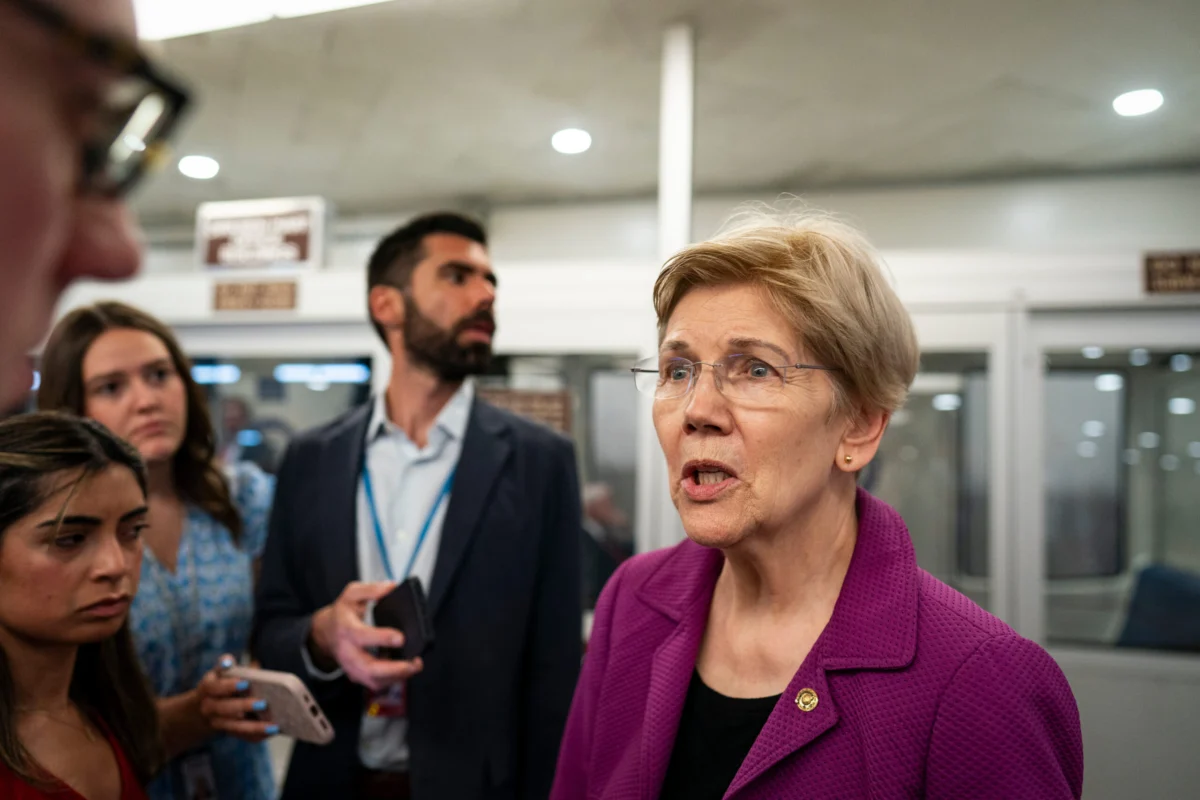
Senator Elizabeth Warren, a long-standing advocate for consumer protection and a vocal critic of Wall Street’s influence, articulated the historic significance of the bill. In a short Capitol hallway interview with CNBC, Warren stated, "Never before has Congress put any restriction on the ability of private equity to move into whatever industry they want, buy up whatever they want and destroy whatever they want. This bill is historic because it puts a big fat ‘no’ right in front of private equity’s growth as it tries to mow through our neighborhoods." Her strong language reflects the bill’s groundbreaking nature in directly confronting the power of institutional investors in a major economic sector.
The bill has also secured the crucial backing of the U.S. Chamber of Commerce, an influential business lobby, signaling a broader consensus. Neil Bradley, executive vice president, chief policy officer, and head of strategic advocacy at the U.S. Chamber of Commerce, issued a statement last week praising the legislation. "With America facing a shortage of over 4.7 million homes, expanding supply remains the most effective and sustainable way to improve affordability, support workforce mobility, and strengthen local economies," Bradley said. He further emphasized, "This supply-focused package would incentivize housing development by modernizing federal housing programs, reducing regulatory barriers, preserving residential and multifamily rental housing options, increasing pathways to homeownership, and encouraging much needed investment and new construction." The Chamber’s endorsement is particularly noteworthy, suggesting that even segments of the business community recognize the need for intervention to stabilize the housing market and ensure long-term economic health, despite some restrictions on specific investment practices.
Furthermore, President Donald Trump has "signaled its support for the bill," a critical endorsement that boosts its chances of becoming law. Presidential backing, especially from a Republican president for a bill that includes regulations on large investors, highlights the bipartisan appeal of addressing the cost of living ahead of the fiercely contested 2026 midterm elections. Both parties are keen to demonstrate their commitment to alleviating financial pressures on American families, and a legislative victory on housing affordability could be a significant talking point on the campaign trail.
While explicit statements from institutional investors are not detailed, their reactions can be inferred. The compromise to remove the seven-year sell-by provision suggests that some of their concerns were heard and addressed, preventing what might have been seen as an overly punitive measure. However, the remaining 350-unit cap is still likely to necessitate adjustments in their acquisition strategies. Some investors may pivot towards smaller-scale investments, focus more heavily on multi-family properties, or explore other asset classes entirely. While the Chamber’s support implies a broader acceptance of the bill’s supply-side incentives, the direct restrictions on private equity in single-family homes will undoubtedly prompt strategic re-evaluations within the investment community.
Broader Implications for the Housing Market and Beyond
The passage of the ROAD to Housing Act could have far-reaching implications for the American housing market and the broader economy.
Firstly, the most direct impact is expected to be on housing affordability. By limiting the ability of major institutional investors to acquire single-family homes in bulk, the bill aims to reduce competition for individual homebuyers, potentially easing upward pressure on prices in some markets. The focus on increasing supply through regulatory streamlining, CDBG incentives, and vacant unit redevelopment could, over time, lead to a more balanced market with more available homes, which is the most fundamental solution to affordability challenges. However, the effects may not be immediate, as housing supply takes time to build, and market dynamics are influenced by numerous factors beyond federal legislation, including interest rates, labor costs, and local zoning.
Secondly, the legislation sets a significant precedent regarding the regulation of private equity. Senator Warren’s assertion that "never before has Congress put any restriction on the ability of private equity to move into whatever industry they want" underscores this point. If successful, this bill could open the door for similar legislative efforts to scrutinize and potentially regulate private equity’s involvement in other sectors deemed critical to public welfare, such as healthcare or essential services. This could signal a new era of increased oversight for an industry that has largely operated with minimal federal intervention.
Thirdly, the political implications are substantial. For both Republicans and Democrats, securing a bipartisan win on an issue as salient as housing affordability ahead of the 2026 midterm elections is a major achievement. It allows incumbents to point to concrete action addressing the "cost of living" crisis, a top concern for voters. For President Trump, signing such a bill into law would demonstrate an ability to deliver legislative results and work across the aisle, potentially bolstering his appeal to moderate voters.
However, potential challenges and unintended consequences warrant consideration. While the bill aims to increase supply, some argue that deterring institutional investment could paradoxically reduce capital available for housing development, especially if large investors opt to withdraw rather than adapt. There is also the risk that institutional investors might shift their focus to other housing segments, such as multi-family rental properties, potentially driving up costs in those markets. Furthermore, the effectiveness of the CDBG incentives will depend heavily on the willingness of local governments to reform their zoning laws and embrace denser development, which can often face local opposition.
Ultimately, the ROAD to Housing Act represents a bold and bipartisan attempt to rebalance the American housing market. Its success will be measured not just in its passage, but in its ability to genuinely increase housing supply, improve affordability, and ensure that the dream of homeownership remains within reach for future generations of Americans. The coming months and years will reveal the true impact of this historic legislative effort.
— CNBC’s Emily Wilkins contributed to this story.
