

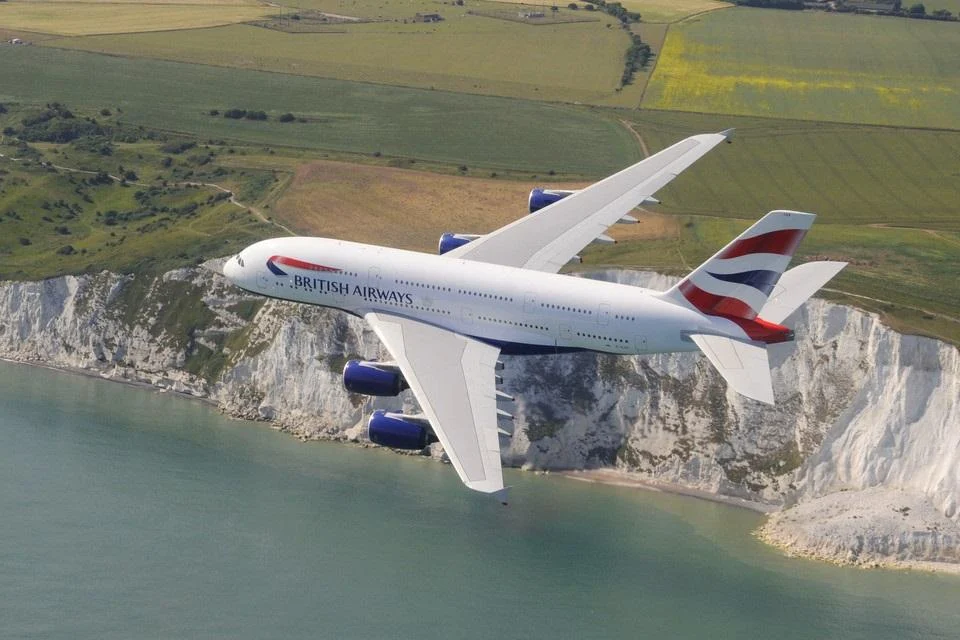
In a significant move toward the decarbonization of long-haul aviation, British Airways has formalized an extension of its partnership with biofuels producer EcoCeres, securing a multi-year supply of sustainable aviation fuel (SAF) through the end of the decade. The agreement, which builds upon an existing relationship between the two entities, underscores the aviation industry’s increasing reliance on waste-based fuels to meet stringent mid-term climate targets. Under the terms of the extended contract, EcoCeres will provide British Airways with SAF produced from 100% waste-based biomass feedstock, a move projected to eliminate approximately 198,000 metric tonnes of lifecycle carbon emissions by 2030.
The scale of this emissions reduction is substantial when viewed through the lens of commercial operations. According to data provided by EcoCeres, the carbon savings are equivalent to the total emissions generated by flying approximately 341,000 economy class passengers on return flights between London Heathrow and New York’s John F. Kennedy International Airport. As the aviation sector remains one of the most "hard-to-abate" industries in the global economy, such offtake agreements are becoming critical pillars for airlines attempting to reconcile growth with environmental responsibility.
Technical Specifications and Feedstock Innovation
The SAF supplied by EcoCeres is distinguished by its feedstock origin and its lifecycle efficiency. Based in Hong Kong, EcoCeres operates a sophisticated biomass utilization platform that converts waste oils and fats into high-value renewable fuels. The primary feedstock for this specific deal includes used cooking oil (UCO) and other waste-based biomass, ensuring that the fuel production does not compete with food crops or contribute to deforestation—a common criticism of first-generation biofuels.
Technically, the EcoCeres SAF offers a lifecycle carbon reduction of up to 94% when compared to traditional fossil-based jet fuel (kerosene). This reduction is calculated across the entire "well-to-wake" cycle, accounting for the collection of waste, processing, transportation, and eventual combustion in aircraft engines. Because SAF is a "drop-in" fuel, it can be blended with conventional jet fuel at ratios of up to 50% without requiring any modifications to existing airframes or engine technology, making it the most immediate solution for reducing the carbon footprint of long-distance flight.
Strategic Alignment with IAG’s 2030 Roadmap
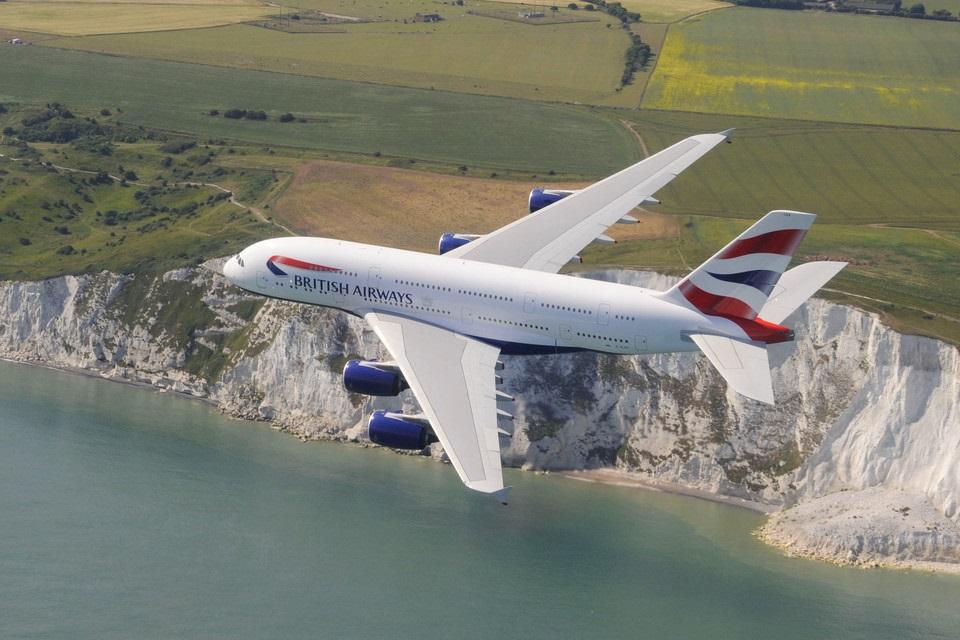
This latest agreement is a core component of the broader sustainability strategy spearheaded by International Airlines Group (IAG), the parent company of British Airways. IAG has established itself as a frontrunner in the adoption of sustainable fuels, setting a mandatory target to power 10% of its flights with SAF by 2030. To achieve this, the group aims to utilize at least one million tonnes of SAF annually by the start of the next decade.
The progress toward these goals has been rapid. In 2025, IAG’s fleet consumed approximately 15% of the total global supply of SAF, a statistic that highlights both the group’s commitment and the current scarcity of the fuel on the open market. By securing long-term contracts like the one with EcoCeres, IAG has already locked in approximately 42% of the SAF required to meet its 2030 objective. These "offtake" agreements are vital not only for the airlines but also for the fuel producers, as they provide the guaranteed demand necessary to secure financing for the construction of new biorefineries.
Matti Lievonen, Chief Executive Officer of EcoCeres, emphasized the collaborative nature of the deal, stating that the extension reflects a shared commitment to accelerating practical decarbonization solutions. Lievonen noted that the company remains focused on expanding the global availability of waste-based SAF, positioning itself as a key link in the aviation supply chain as carriers transition away from petroleum-based energy.
The Chronology of British Airways’ SAF Integration
The partnership with EcoCeres is the latest in a series of strategic moves by British Airways to diversify its fuel supply. The airline’s journey toward sustainable fuel integration has followed a clear timeline of escalating investment and partnership:
- Early Investments: British Airways began exploring SAF over a decade ago, initially partnering with technology providers to test the feasibility of municipal waste-to-fuel conversion.
- The BA Better World Program: Launched in 2021, this initiative consolidated the airline’s environmental goals, placing SAF at the center of its "Path to Net Zero."
- The Initial EcoCeres Deal: The first agreement between BA and EcoCeres established the logistical framework for importing SAF from EcoCeres’ production facilities, proving that waste-based fuel could be integrated into the airline’s existing fueling infrastructure at London hubs.
- 2024-2025 Milestones: During this period, BA and IAG ramped up their global procurement, signing deals with producers in the United States and Europe, including agreements with LanzaJet and Phillips 66.
- 2026 Extension: The current multi-year extension through 2030 represents a shift from short-term "spot" purchases to a long-term strategic reliance on EcoCeres’ production capacity.
The Economic and Regulatory Landscape
The expansion of the SAF market is being driven by a combination of corporate climate pledges and increasingly stringent government mandates. In the United Kingdom, the government has introduced a SAF mandate that requires at least 10% of jet fuel to come from sustainable sources by 2030. Similar regulations are taking shape in the European Union under the "RefuelEU Aviation" initiative, which sets escalating targets through 2050.

However, the transition is not without economic challenges. SAF currently costs significantly more than conventional jet fuel—often two to four times the price of kerosene. This price premium is driven by the complexity of the refining process and the limited availability of high-quality waste feedstocks. By signing long-term deals, British Airways is effectively hedging against future price volatility and supply shortages as more airlines compete for a limited pool of sustainable fuel.
Furthermore, the "waste-based" nature of the EcoCeres supply is crucial for compliance with the UK’s strict sustainability criteria. The UK mandate prioritizes fuels that provide high greenhouse gas (GHG) savings and do not utilize feedstocks that have high indirect land-use change (ILUC) risks. By utilizing used cooking oil and other residues, EcoCeres ensures that British Airways remains in high standing with environmental regulators and ESG-focused investors.
Broader Implications for the Global Aviation Sector
The British Airways-EcoCeres deal serves as a bellwether for the global aviation industry. It demonstrates that while hydrogen-powered planes and electric short-haul aircraft are in development, the immediate and medium-term future of decarbonized flight depends almost entirely on the scaling of SAF.
Industry analysts suggest that for the aviation sector to reach net-zero by 2050, global SAF production will need to increase from current levels of a few hundred million liters to over 400 billion liters annually. Deals of this nature encourage the "industrialization" of the SAF sector. When a major carrier like British Airways commits to a multi-year purchase, it signals to the wider market that SAF is a bankable commodity. This, in turn, stimulates further investment in "HEFA" (Hydroprocessed Esters and Fatty Acids) technology, which is currently the most mature and commercially viable pathway for SAF production.
The environmental impact of this deal also extends to the reduction of non-CO2 effects. Recent studies suggest that SAF produces fewer soot particles than conventional jet fuel, which can lead to a reduction in the formation of contrails. Since contrails are thought to contribute significantly to the total warming impact of aviation, the transition to cleaner-burning waste-based fuels may have climate benefits that exceed the carbon savings alone.

Conclusion and Future Outlook
As British Airways moves toward its 2030 target, the role of international partnerships will remain paramount. The collaboration with EcoCeres highlights the globalized nature of the green energy transition, where waste products collected in one part of the world are refined and utilized to power carbon-conscious travel in another.
The successful execution of this deal provides a blueprint for other carriers within the IAG portfolio—such as Iberia, Vueling, and Aer Lingus—as they seek to replicate BA’s procurement strategy. For the traveling public, these developments suggest a future where the environmental cost of flying is progressively decoupled from the act of travel itself. While the road to net-zero remains steep, the extension of the EcoCeres partnership represents a tangible, data-backed step toward a more sustainable era of global aviation. Through the avoidance of nearly 200,000 tonnes of carbon, British Airways is not only meeting its regulatory obligations but is also helping to build the supply chain infrastructure that will define the next generation of flight.
