

In August 2019, a solemn procession of approximately 100 people, including Iceland’s Prime Minister Katrín Jakobsdóttir and former Irish President Mary Robinson, ascended the rugged slopes of the Ok volcano in western Iceland. Their destination was not a summit defined by ice, but a site defined by its absence. They gathered to commemorate Okjökull, the first Icelandic glacier to lose its status as a glacier due to climate change. The group installed a bronze plaque engraved with a "Letter to the Future," a stark warning that acknowledged the current generation’s awareness of the unfolding environmental crisis. This event, widely regarded as the first public funeral for a glacier, signaled a shift in how humanity processes ecological loss. It transformed a scientific data point—the melting of ice—into a profound cultural and emotional milestone, sparking a global trend of mourning and a surge in what researchers call "last-chance tourism."
The Chronology of Commemoration: From Iceland to the Alps
The funeral for Okjökull was not an isolated event but the beginning of a grim international timeline. In September 2019, just weeks after the Icelandic ceremony, hundreds of people in Switzerland hiked to the Pizol glacier in the Glarus Alps. Pizol had lost 80% of its volume since 2006, and the "funeral march" featured a priest and a somber dirge played by a brass ensemble. Participants wore black, mirroring traditional human funeral rites to emphasize the gravity of the loss.
By 2021 and 2022, similar ceremonies were being held in the United States and South America. In Oregon, local communities and environmentalists held memorials for the Clark Glacier, while in the Andes, indigenous groups and activists organized vigils for receding ice caps that serve as both spiritual icons and essential water sources. These events share a common aesthetic: the use of music—often flute and string quartets—the delivery of eulogies, and the installation of physical markers to ensure that the names of these "frozen giants" are not forgotten by history.
This movement has been bolstered by academic efforts to formalize the memory of these geological features. Rice University in Texas has been at the forefront of this effort, establishing a "global glacier casualty list." This digital memorial is designed to "remember their names and tell their stories," treating glaciers not as inanimate objects but as vital components of the Earth’s biography. According to the university’s tracking, thousands of glaciers of varying sizes have disappeared since the year 2000, a rate of loss that is accelerating as global mean temperatures continue to rise.
Quantifying the Crisis: The 2026 Rice University Study
A landmark study released in 2026 by Rice University has provided new insights into the scale of human interaction with these disappearing landscapes. The research, co-authored by anthropologist Cymene Howe, revealed that approximately 14 million people now visit the world’s most popular glaciers every year. This influx of visitors is driven by a complex mix of curiosity, reverence, and a sense of impending loss.
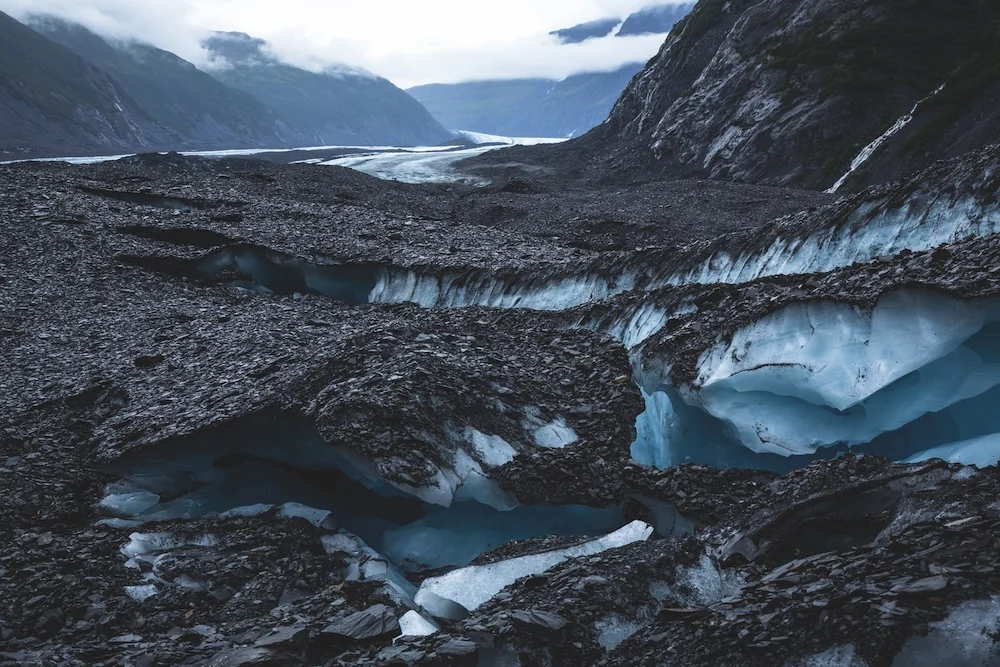
The study highlights a significant demographic shift in tourism patterns. While glacier trekking was once the domain of specialized mountaineers and scientists, it has now entered the mainstream. Families, photographers, and casual travelers are flocking to sites like the Valdez Glacier in Alaska, the Perito Moreno Glacier in Argentina, and the Jungfraujoch in Switzerland. The Valdez Glacier, in particular, has become a focal point for researchers as it represents some of the fastest-melting ice on the planet.
Anthropologist Cymene Howe notes that for many, the experience is deeply personal. "Most people on Earth will never be able to visit a glacier, and that fact becomes truer every day as they disappear," Howe stated. She explained that the desire to be near these giant bodies of ice is a "powerful experience" because glaciers are "unique natural wonders that move, creak, whisper and invite reflection." This sensory experience—the sound of "glacier flour" grinding underfoot or the thunderous crack of a calving event—creates a psychological connection that data alone cannot provide.
The Paradox of Last-Chance Tourism
The surge in visitors to these fragile ecosystems has created what experts call the "last-chance tourism" paradox. This trend occupies the tension between the human desire to witness a disappearing wonder and the environmental cost of that witnessing. The very act of traveling to see a glacier often contributes to the carbon emissions that accelerate its demise.
Emmanuel Salim, a mountaineer and geography professor at the University of Toulouse, has extensively researched this phenomenon. In a series of papers, Salim suggested that tourists risked "loving glaciers to death." The environmental impact is two-fold. Directly, increased foot traffic and local infrastructure development can destabilize the immediate surroundings of a glacier, leading to soil erosion and pollution. Indirectly, the carbon footprint of long-haul flights and local transportation contributes to the global warming that is the primary driver of glacial retreat.
Despite these concerns, some argue that last-chance tourism serves a vital educational purpose. Proponents suggest that seeing a melting glacier firsthand can transform a person’s political and social outlook on climate change, turning a passive observer into an active advocate for environmental policy. However, the Rice University study suggests that the "reflection" invited by these visits does not always translate into reduced carbon lifestyles, as the convenience of modern travel remains a primary facilitator of the tourism itself.
Ecological Grief and the Psychological Impact of Loss
The emergence of glacier funerals and memorials is a manifestation of "ecological grief" or "solastalgia"—the distress caused by environmental change in one’s home environment. For communities in Iceland, Switzerland, and the Himalayas, glaciers are not just tourist attractions; they are cultural touchstones and economic lifelines.
When a glacier disappears, it takes with it a piece of the local identity. In Iceland, the "Letter to the Future" on the Okjökull plaque captured this sentiment perfectly: "We know what is happening and what needs to be done. Only you know if we did it." This message serves as a form of intergenerational accountability, acknowledging the grief of the present while placing the burden of history on the future.
Psychologists observing the crowds at these funerals note that the ceremonies provide a necessary outlet for a collective sense of helplessness. By performing eulogies and playing music, participants are able to ritualize a loss that is otherwise too large and abstract to grasp. This ritualization helps bridge the gap between scientific reports and human experience, making the climate crisis a matter of the heart as much as a matter of the atmosphere.
Broader Implications: Water Security and Global Stability
While the cultural and psychological aspects of glacial loss are significant, the physical implications are catastrophic. Glaciers act as the world’s "water towers," storing freshwater in the winter and releasing it slowly during the summer months to feed rivers and support agriculture. The disappearance of these ice masses threatens the water security of billions of people, particularly in Central Asia and the Andes.
The 2026 study underscores that the loss of thousands of glaciers since 2000 is not merely a loss of scenery but a disruption of global hydrological cycles. As glaciers melt, they contribute to sea-level rise, which threatens coastal cities and island nations. Furthermore, the loss of the "albedo effect"—where white ice reflects sunlight back into space—means that the exposed dark rock absorbs more heat, creating a feedback loop that further warms the planet.
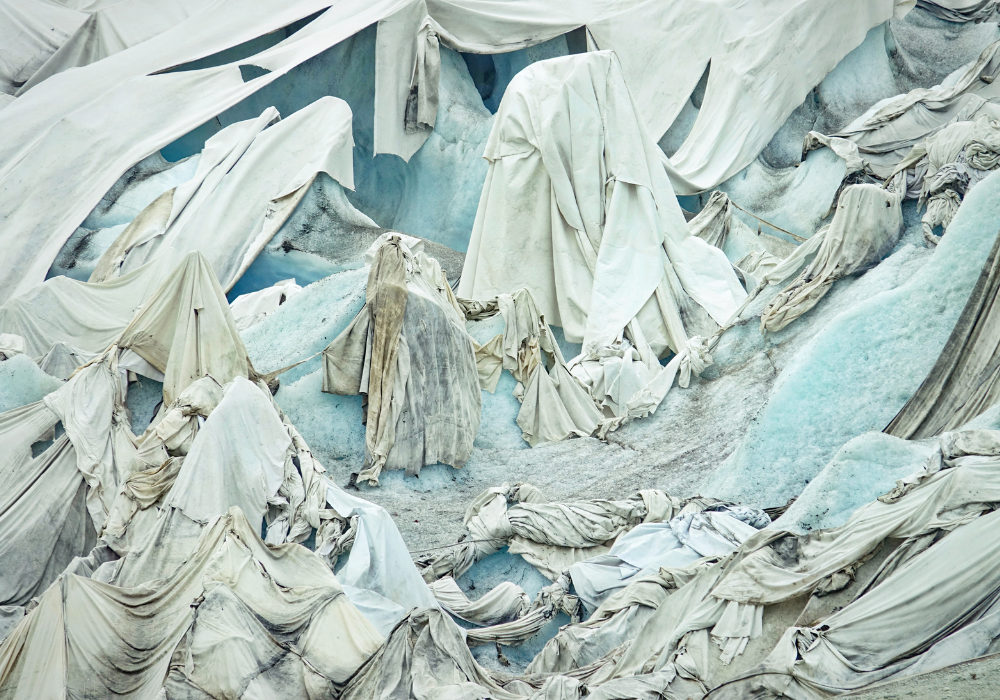
Official responses to these findings have been varied. Some governments have attempted to "save" glaciers through localized engineering, such as covering Swiss glaciers with white reflective blankets during the summer. While these efforts can slow melting on a micro-scale, they are widely viewed by the scientific community as temporary "band-aids" that do not address the root cause of the problem. Environmental NGOs have used the data from the Rice University study to call for more aggressive international climate agreements, arguing that the "casualty list" will only continue to grow without a fundamental shift away from fossil fuels.
Conclusion: A Legacy in Liquid
The trend of glacier funerals and the rise of last-chance tourism represent a humanity in transition, grappling with the tangible consequences of the Anthropocene. The 14 million people who visit glaciers annually are witnesses to a vanishing world, participating in a global vigil for the frozen giants that once seemed eternal.
As the Rice University study and the work of researchers like Cymene Howe and Emmanuel Salim make clear, the fate of the world’s glaciers is inextricably linked to human behavior. The "Letter to the Future" in Iceland remains a haunting reminder of the stakes. Whether these memorials will be remembered as the beginning of a meaningful global response or merely as footnotes in a history of environmental collapse depends on the actions taken in the coming decade. For now, the "casualty list" continues to expand, and the dirges played on flutes and strings continue to echo across the thinning ice of the world’s remaining glaciers.
