

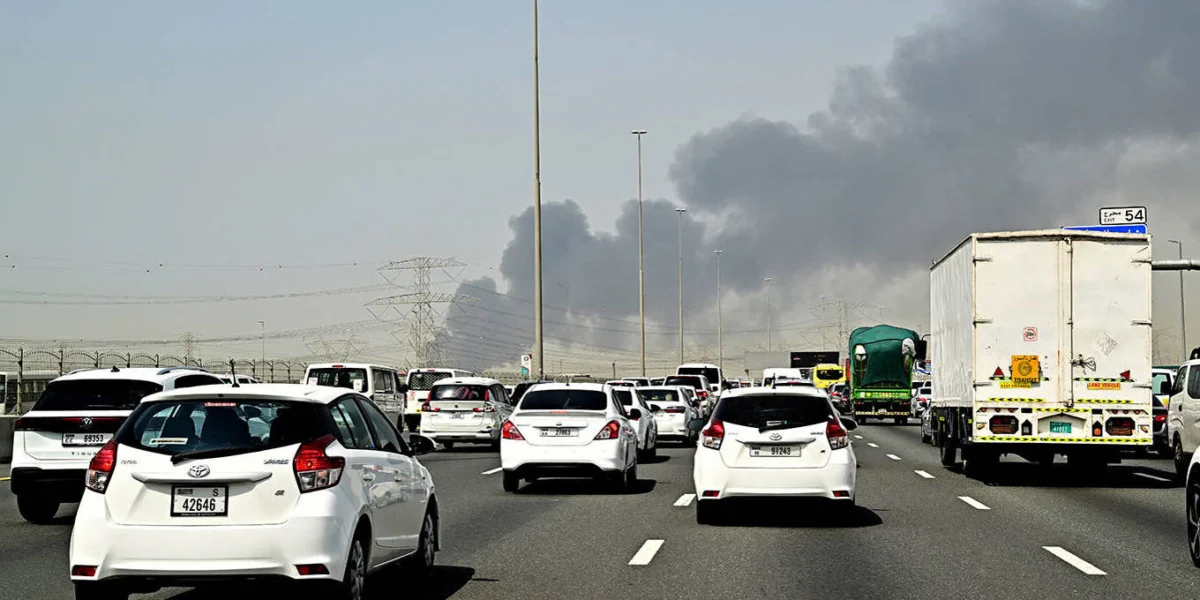
NEW YORK – The most likely outcome of the protracted conflict involving Iran is not a lasting peace but an unsatisfying ceasefire. This precarious agreement will leave the fundamental issues unresolved, ushering in an era of uneasy equilibrium. In this new regional order, Gulf countries are expected to pursue their own divergent paths, the influence of the United States is projected to wane, and the overarching geopolitical landscape of the Middle East will remain unsettled and fluid.
The recent weeks have witnessed a global focus on the unfolding dynamics of the Iran conflict, particularly the prospects of a ceasefire between the United States and the Islamic Republic, and the anticipated reactions from Israel. However, equally pressing are the multifaceted economic ramifications. These include the critical question of when oil and gas prices will achieve stability, the viability of Saudi Arabia’s ambitious economic development projects amidst ongoing regional instability, and the timeline for governments and investors across the Middle East to resume normal business operations.
Background and Escalation of the Conflict
The roots of the current conflict can be traced back to decades of escalating tensions between Iran and a coalition of regional and international powers, primarily driven by Iran’s nuclear program, its ballistic missile development, and its support for proxy groups throughout the Middle East. The current phase of hostilities, often referred to as the Iran War, significantly intensified in late 2023 following a series of provocations and retaliatory actions.
Key Chronological Milestones:
- Late 2023: A surge in attacks attributed to Iranian-backed militias on shipping lanes in the Persian Gulf and retaliatory strikes by the United States and its allies against militia targets in Syria and Iraq marked a significant escalation.
- Early 2024: Iran announced a substantial acceleration of its uranium enrichment activities, exceeding previously established thresholds, which triggered widespread international condemnation and a renewed push for diplomatic intervention.
- Mid-2024: Direct confrontations between Iranian and Israeli forces, including alleged drone and missile strikes on Iranian soil and Israeli military installations, brought the region to the brink of a wider war.
- Late 2024 – Early 2025: Widespread disruptions to global energy supplies due to maritime incidents and targeted attacks led to a sharp increase in oil prices, impacting economies worldwide. This period also saw intensified diplomatic efforts by international powers, including China and Russia, alongside traditional mediators like Qatar and Oman, to broker a de-escalation.
- Spring 2025: Reports emerged of preliminary, albeit informal, talks between US and Iranian officials, facilitated by neutral intermediaries, aimed at exploring potential de-escalation pathways and a potential ceasefire.
The Unfolding Ceasefire Scenario
While the pursuit of peace remains the ultimate objective, current assessments from political analysts and intelligence assessments suggest that a comprehensive peace treaty is a distant prospect. Instead, the most probable outcome is a fragile ceasefire agreement. This agreement, while potentially halting overt hostilities, is unlikely to address the deep-seated grievances, ideological divides, and territorial disputes that have fueled the conflict.
This scenario implies a period of "uneasy equilibrium." This is not a stable peace but rather a state of suspended conflict, characterized by:
- Reduced but Persistent Tensions: Sporadic incidents, proxy skirmishes, and cyberattacks could continue, keeping the region on edge and requiring constant vigilance from all parties.
- Limited Diplomatic Engagement: While direct dialogue might increase, genuine trust and substantial breakthroughs in resolving core issues are expected to be minimal.
- Economic Vulnerability: The lingering threat of renewed conflict will continue to cast a shadow over economic recovery, potentially deterring long-term investment and maintaining elevated risk premiums for regional assets.
Economic Repercussions and Projections
The economic fallout from the Iran War has been substantial. Global oil prices, which had surged to over $120 per barrel during the peak of the conflict, have shown signs of moderating as de-escalation efforts gain traction. However, analysts caution that volatility will persist as long as the underlying geopolitical risks remain.
Supporting Data on Economic Impact:
- Oil Prices: Pre-conflict averages for Brent crude were around $80 per barrel. During the height of the conflict, prices briefly exceeded $120 per barrel. Current projections suggest a stabilization in the $90-$100 range, contingent on a sustained ceasefire.
- Global Supply Chains: Disruptions to shipping through the Strait of Hormuz and other key maritime chokepoints led to significant delays and increased freight costs, impacting industries from manufacturing to retail.
- Regional Investment: Foreign direct investment into several Gulf Cooperation Council (GCC) countries saw a noticeable slowdown in 2024, with a projected rebound contingent on demonstrable regional stability. Saudi Arabia’s Vision 2030 projects, while resilient, have faced increased financing costs and a more cautious investor sentiment.
Saudi Arabia’s ambitious economic diversification plans, particularly those focused on tourism, technology, and infrastructure development, are intrinsically linked to regional stability. A prolonged period of uncertainty, even without overt warfare, could hinder the realization of these transformative goals. Similarly, the United Arab Emirates, a major hub for international trade and finance, faces challenges in maintaining its economic momentum if regional security remains precarious.
Shifting Geopolitical Alliances and US Influence
The conflict has also accelerated a recalcitrant shift in regional power dynamics. As the United States navigates its own strategic priorities and grapples with the complexities of sustained Middle East engagement, its influence is likely to diminish. This vacuum is being increasingly filled by regional actors and, to a lesser extent, by other global powers.
- Gulf Countries’ Independent Stance: Saudi Arabia, the UAE, and other GCC nations are increasingly adopting a more independent foreign policy. While maintaining security partnerships with the US, they are also forging new economic and diplomatic ties with China and Russia, seeking to diversify their international relationships and hedge against over-reliance on any single power. This has been evident in their increased engagement in mediating regional disputes and their participation in multilateral forums that do not exclusively involve Western powers.
- The Role of China and Russia: Beijing and Moscow have sought to leverage the situation to enhance their own regional standing. China, in particular, has emphasized its role as a neutral mediator and a significant economic partner, while Russia has continued its long-standing alliances and security cooperation with Iran. Their involvement, while offering alternative diplomatic channels, also introduces new layers of complexity to the regional order.
- Israel’s Security Calculus: Israel, facing direct threats from Iran and its proxies, will likely continue to prioritize its security interests through robust defense capabilities and strategic alliances. The prospect of an Iran that has not fully abandoned its nuclear ambitions, even under a ceasefire, will remain a central concern for Tel Aviv.
Broader Impact and Implications
The implications of an unsatisfying ceasefire extend beyond immediate military and economic considerations.
- Humanitarian Concerns: The conflict has exacerbated existing humanitarian crises in several countries where proxy warfare has been prevalent, such as Yemen and Syria. A prolonged period of instability, even without a full-blown war, will continue to impede relief efforts and prolong suffering.
- Rise of Non-State Actors: The conflict has empowered various non-state actors and militias, some of whom may continue to operate with a degree of autonomy even under a ceasefire. This could lead to persistent internal conflicts and regional instability.
- The Nuclear Question: The unresolved nature of Iran’s nuclear program will remain a significant point of contention. If Iran continues to advance its capabilities without robust international oversight, it could trigger a regional nuclear arms race, further destabilizing the Middle East.
- Long-Term Regional Order: The era of an unquestioned US-led regional order appears to be drawing to a close. The Middle East is entering a more multipolar phase, characterized by complex regional rivalries, shifting alliances, and a greater assertion of agency by regional powers. This transition is likely to be fraught with challenges and could lead to a period of prolonged geopolitical reordering.
In conclusion, while the immediate focus remains on achieving a de-escalation of hostilities, the path ahead for the Middle East is marked by uncertainty. The most probable outcome of the Iran War is not a definitive resolution but a precarious ceasefire that sets the stage for an uneasy equilibrium. This new regional order will demand careful navigation by all stakeholders, as the fundamental challenges that led to the conflict remain largely unaddressed, promising a future of continued geopolitical fluidity and strategic recalibration across the Middle East.
