

The Material Science and Aesthetic Versatility of Linen
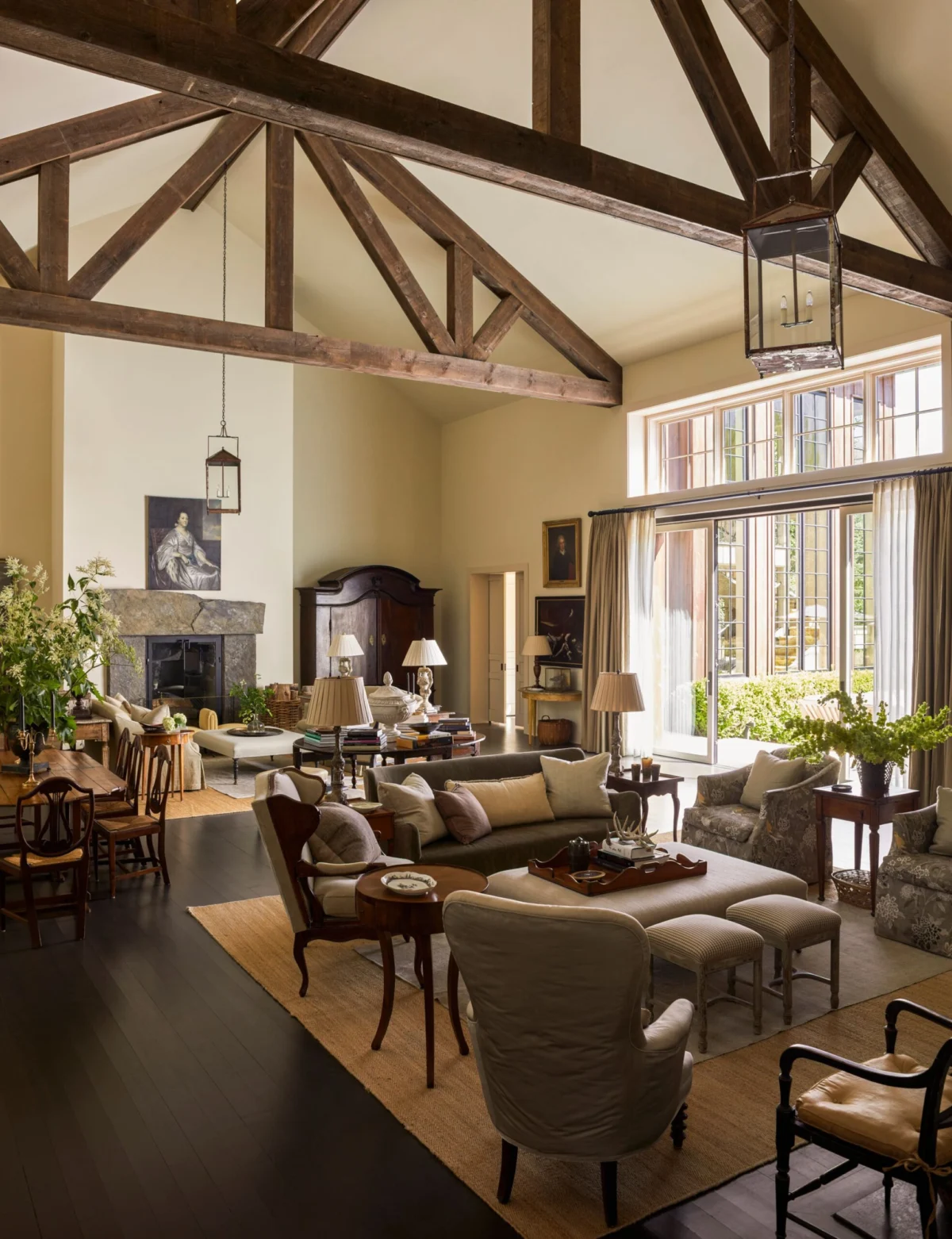
Linen is a textile made from the fibers of the flax plant, Linum usitatissimum, and its use in window treatments is rooted in its unique physical properties. Unlike synthetic fibers, linen is highly breathable and possesses a natural luster that allows it to interact with light in a distinctive way. Designers like Miles Redd, a member of the prestigious AD100, have long championed the use of paper-thin linen panels. The objective is often to allow natural light to take center stage, using the fabric not as a barrier, but as a filter that softens the glare while maintaining a connection to the outdoors.

The versatility of linen is further evidenced by its adoption across various architectural styles. Whether it is the rustic charm of an English cottage, the sleek lines of a modern urban apartment, or the airy openness of a California coastal home, linen provides a sense of gentle movement. It does not overwhelm a space; rather, it adds what designer Augusta Hoffman describes as a "touch of necessary grace." This adaptability is a key driver in the fabric’s enduring popularity within the interior design community.
Market Trends and the Rise of Direct-to-Consumer Luxury
The home decor market has seen a significant shift toward the direct-to-consumer (DTC) model, which has democratized access to high-quality European flax. Brands like Quince have disrupted the traditional pricing structure of the textile industry by offering European linen curtains at a fraction of the cost of traditional luxury retailers. The Quince European Linen Curtain, often cited as a top industry pick for its balance of quality and price, utilizes 100% European flax paired with a cotton lining. This combination provides the aesthetic benefits of linen with the functional weight required for proper draping and light filtration.

Supporting data from market research firms indicates that the global linen textile market is projected to grow steadily over the next decade. This growth is fueled by a rising consumer preference for biodegradable and sustainable fibers. Flax cultivation requires significantly less water and fewer pesticides than cotton, making linen a preferred choice for the environmentally conscious demographic.
A Chronology of Design: From Functional to Form-Focused
The history of window treatments has evolved from heavy, light-blocking tapestries used for insulation in drafty castles to the light-filtering sheers of the modern era.

- Pre-20th Century: Curtains were primarily functional, designed to retain heat and provide total privacy. Heavy velvets and damasks dominated the upper-class home.
- Mid-20th Century: The rise of modernism introduced the concept of the "glass wall," leading to a need for window treatments that complemented rather than obscured architectural lines.
- 2000s-2010s: A surge in synthetic "easy-care" fabrics saw a decline in natural fiber usage, though high-end designers continued to favor linen for its superior hand-feel.
- 2020-Present: The "Organic Modernism" movement has placed linen at the forefront of interior trends. The emphasis is now on texture, breathability, and the "perfectly imperfect" look of natural wrinkles.
Detailed Analysis of Designer Collaborations and Specialized Offerings
As the demand for linen grows, collaborations between established designers and retail brands have become a vital segment of the market. These partnerships allow consumers to access high-level design sensibilities at a mid-market price point.
Vintage Inspiration and Pattern Play
The collaboration between design duo Pierce & Ward and West Elm exemplifies the trend toward "Grandmillennial" aesthetics—a style that blends traditional, vintage-inspired elements with modern sensibilities. Their Cotton Linen Stripe Curtain utilizes classic ticking stripes and fashion-tie tops, nodding to historical textiles without the rigidity of traditional drapery. Similarly, Heidi Caillier’s work with Lulu and Georgia, specifically the Campden Pleated Linen Curtain, demonstrates how florals and geometric borders can be integrated into linen to create a "collected" look. Caillier’s use of pinch pleats adds structure to the medium-weight fabric, moving the aesthetic from casual to tailored.

Minimalist and Sheer Innovations
For the minimalist segment, brands like Cultiver and Nordic Knots have focused on the technical specifications of the weave. Cultiver’s panels are woven at a weight of 130 GSM (grams per square meter), a specification that ensures the fabric is light enough to diffuse sunlight while maintaining enough body to pool gracefully on the floor. Nordic Knots has taken this a step further by offering made-to-measure sizing and Italian linen, addressing a common pain point for consumers with non-standard window dimensions. Their inclusion of muted earth tones—such as hay, hazelnut, and olive—marks a departure from the traditional white and ivory palette, suggesting a move toward more color-confident minimalism.
Handcrafted and Bespoke Options
The rise of platforms like Etsy has empowered independent artisans to compete with large-scale retailers. The Linen Made, a popular vendor on the platform, offers over 40 color options and various trim combinations. This level of customization allows for the creation of "bespoke" products, such as café curtains or panels with contrasting edges, which were previously only available through expensive trade-only showrooms.
.jpeg)
Functional Considerations: Headers, Linings, and Maintenance
While the aesthetic appeal of linen is undeniable, its functional performance is dictated by construction details.
- Header Styles: The way a curtain is attached to the rod—whether through a rod pocket, back tabs, or pinch pleats—drastically affects the "fall" of the fabric. Rod pockets offer a more casual, bunched look, while pinch pleats provide a formal, rhythmic drape.
- Lining Options: Unlined linen is ideal for sheers, but many homeowners opt for cotton or privacy linings to protect the linen from UV damage and to provide better insulation.
- Mitered Hems: High-quality linen curtains, such as those from GreenRow, often feature mitered hems. This technique involves folding the corners at a 45-degree angle, ensuring the curtain hangs straight and resists the "flaring" common in cheaper textiles.
Broader Impact and Industry Implications
The resurgence of linen curtains is more than a fleeting trend; it reflects a broader shift in the home goods industry toward longevity and sensory experience. In an era dominated by digital screens and synthetic materials, the tactile nature of linen provides a grounding element within the home.

Economically, the success of these products suggests that consumers are willing to pay a premium for natural fibers if the value proposition—durability, sustainability, and timeless style—is clearly communicated. Furthermore, the move toward made-to-measure and highly customizable options indicates a decline in "one-size-fits-all" retail, as homeowners seek to personalize their living spaces to a higher degree.
The design community’s continued endorsement of linen also suggests that the "glow-up" of windows is a priority in home renovation. As noted in the architectural styling of high-end retreats, the use of double layers—often a sheer linen paired with a heavier linen or blackout drape—allows for a sophisticated control of light and privacy that enhances the overall architectural value of a property.
.png)
In conclusion, the best linen curtains represent a confluence of historical textile tradition and modern manufacturing efficiency. By balancing the raw, organic beauty of flax with contemporary design details like tailored pleats and custom colors, these window treatments have secured their place as an essential component of the modern, elegant home. As the industry continues to innovate with sustainable production methods and designer-led aesthetics, linen is poised to remain the gold standard for window dressings for the foreseeable future.
